Activity
Mon
Wed
Fri
Sun
Oct
Nov
Dec
Jan
Feb
Mar
Apr
May
Jun
Jul
Aug
Sep
What is this?
Less
More
Owned by Jennifer
Holistic weight loss and mindful living community for women. Learn how to live your legacy life with less overwhelm, and more clarity.
Skoolers
159.7k members • Free
Monthly Client Converter
1k members • Free
The PauZe Collective
51 members • Free
The Kind Copy Movement
1.9k members • Free
AI Online Educators & Coaches
3.5k members • Free
REVENUE REVOLUTION
10.8k members • Free
Crust & Crumb Academy
1.1k members • $5/month
Your Design, Your World
47 members • Free
AI-Driven Business Community
8.6k members • Free
6 contributions to The Potted Garden Society

Jan 24 •
Herb Satchet DIY
Sometimes gardening isn’t about growing more—it’s about slowing down. Today’s DIY is a gentle one 💚 🌿 Calming Herb Sachets Perfect for drawers, pillows, or a quiet moment of mindfulness. You’ll need: - Small fabric squares or old socks - Dried herbs (lavender, mint, chamomile, rosemary) - String or ribbon How to make it: 1. Take a few deep breaths before you start 🌬️ 2. Mix your dried herbs together (follow your nose!) 3. Place herbs in the fabric 4. Tie it closed with intention 5. Pause. Smell. Ground yourself. Tip: Lavender = calm, Mint = clarity, Rosemary = focus This tiny project is a reminder that healing can be handmade 🌱What herb would you use? #GardenTherapy #DIYWellness #GardenGatherers #MindfulGardening #GatherGrowFlourish 🌼

3 likes • Jan 25
This is a great idea! Thanks for sharing. Lavender would be my choice.

Mar '25 •
OUR VISION 🚀
[IMPORTANT READ] Wow! A huge thank you to each of you who joined The Potted Garden Society. This isn’t just a gardening group — it’s our green corner of the internet. Together, our mission is simple: 👉 Build a vibrant community of 10,000+ passionate plant lovers — from curious beginners to backyard legends — who are here to share, learn, and grow 🌼 Think of Skool as your gardening clubhouse. A space where tips bloom, ideas grow roots, and plants (and people!) thrive together. Here’s what we’ll dig into as a group: 🌱 Seasonal planting tips, tricks & troubleshooting 🌼 Celebrating plant wins (with proud pics!) 🐛 Solving pest & soil challenges 🍅 Learning how to grow food at home 🌿 Swapping advice on tools, composting & containers Our FIRST main focus as a community: 🔥 Help each other grow more confidently each season 💬 Make daily conversations about real plant wins & woes 🌍 Share eco-friendly ways to garden & give back to the earth A Few Quick Things: 1️⃣ This space is for plant newbies and seasoned growers 🌻 2️⃣ Say hello below 👋 Tell us what you grow, your zone or location, and a pic of your current favorite plant! Let’s grow something beautiful — together. Let’s grow The Potted Garden Society! 💚 – Donna
13 likes • Apr '25
Hi, I’m new to gardening and am mainly interested in learning how to grow food at home. I live in zone 3 in Alberta, Canada.
7 likes • Aug '25
@Donna Scarborough Mainly potatoes and tomatoes outdoors - and indoors green onions, lettuce, herbs in containers.
Jun '25 •
How to Make a Simple Raised Bed Garden for Containers
Raised bed gardens aren't just for large yards—they can be perfectly adapted for container gardening too. A raised bed dedicated to containers helps organize your plants, improves drainage, reduces weeds, and makes gardening easier and more accessible. Here’s how you can create a simple, practical raised bed specifically for your container plants. 𝐁𝐞𝐧𝐞𝐟𝐢𝐭𝐬 𝐨𝐟 𝐚 𝐑𝐚𝐢𝐬𝐞𝐝 𝐁𝐞𝐝 𝐟𝐨𝐫 𝐂𝐨𝐧𝐭𝐚𝐢𝐧𝐞𝐫𝐬 * 𝐈𝐦𝐩𝐫𝐨𝐯𝐞𝐝 𝐃𝐫𝐚𝐢𝐧𝐚𝐠𝐞: Elevation allows excess water to drain away, preventing soggy conditions. * 𝐄𝐚𝐬𝐢𝐞𝐫 𝐀𝐜𝐜𝐞𝐬𝐬: Reduces strain on your back and knees—perfect for gardeners of all ages. * 𝐁𝐞𝐭𝐭𝐞𝐫 𝐎𝐫𝐠𝐚𝐧𝐢𝐳𝐚𝐭𝐢𝐨𝐧: Clearly define growing areas, making plant care simpler and more effective. 𝐌𝐚𝐭𝐞𝐫𝐢𝐚𝐥𝐬 𝐘𝐨𝐮’𝐥𝐥 𝐍𝐞𝐞𝐝 * Lumber (untreated cedar or composite boards are ideal) * Screws or nails * Drill or screwdriver * Landscaping fabric or weed barrier (optional) * Gravel (optional, for added drainage beneath containers) * Containers suitable for your plants 𝐒𝐭𝐞𝐩-𝐛𝐲-𝐒𝐭𝐞𝐩 𝐆𝐮𝐢𝐝𝐞 𝐭𝐨 𝐁𝐮𝐢𝐥𝐝𝐢𝐧𝐠 𝐘𝐨𝐮𝐫 𝐑𝐚𝐢𝐬𝐞𝐝 𝐁𝐞𝐝 𝐒𝐭𝐞𝐩 𝟏: 𝐂𝐡𝐨𝐨𝐬𝐞 𝐘𝐨𝐮𝐫 𝐋𝐨𝐜𝐚𝐭𝐢𝐨𝐧 * Select a sunny, flat spot with easy access. Most container gardens benefit from at least 6 hours of direct sunlight daily. 𝐒𝐭𝐞𝐩 𝟐: 𝐃𝐞𝐭𝐞𝐫𝐦𝐢𝐧𝐞 𝐒𝐢𝐳𝐞 𝐚𝐧𝐝 𝐃𝐞𝐬𝐢𝐠𝐧ine * Consider the space available and your container sizes. Common sizes for container raised beds are 4 feet by 8 feet or smaller. Beds should ideally be no wider than 4 feet for easy reach. 𝐒𝐭𝐞𝐩 𝟑: 𝐁𝐮𝐢𝐥𝐝 𝐭𝐡𝐞 𝐅𝐫𝐚𝐦𝐞 * Cut lumber to desired dimensions. * Assemble the frame by screwing or nailing the corners together securely. * Ensure the frame is level by adjusting the ground beneath it as necessary. 𝐒𝐭𝐞𝐩 𝟒: 𝐏𝐫𝐞𝐩𝐚𝐫𝐞 𝐭𝐡𝐞 𝐁𝐞𝐝 * Line the bottom with landscaping fabric to help prevent weeds. * Add a thin layer of gravel to improve drainage and keep pots elevated. 𝐒𝐭𝐞𝐩 𝟓: 𝐀𝐫𝐫𝐚𝐧𝐠𝐞 𝐘𝐨𝐮𝐫 𝐂𝐨𝐧𝐭𝐚𝐢𝐧𝐞𝐫𝐬 * Place your containers strategically within the raised bed, ensuring each has room for growth. * Consider plant height and spread to maximize sunlight exposure and air circulation. 𝐓𝐢𝐩𝐬 𝐟𝐨𝐫 𝐒𝐮𝐜𝐜𝐞𝐬𝐬 * 𝐂𝐡𝐨𝐨𝐬𝐞 𝐭𝐡𝐞 𝐑𝐢𝐠𝐡𝐭 𝐂𝐨𝐧𝐭𝐚𝐢𝐧𝐞𝐫𝐬: Ensure your pots have drainage holes and are appropriately sized for your plants.
1 like • Jun '25
I was just considering starting a raised bed container. I appreciate the information!
0 likes • Jun '25
@Donna Scarborough Will do. Thanks!
May '25 •
The Best Herbs for Small-Space Gardens
Herbs are the perfect addition to small-space gardens, providing fresh flavors, delightful aromas, and a touch of green beauty even when space is limited. Whether your garden is confined to a tiny balcony, windowsill, or countertop, here are the best herbs to grow in small spaces. 𝐂𝐨𝐦𝐩𝐚𝐜𝐭 𝐚𝐧𝐝 𝐄𝐚𝐬𝐲-𝐭𝐨-𝐆𝐫𝐨𝐰 𝐇𝐞𝐫𝐛𝐬 Choose herbs that remain compact, thrive in confined areas, and adapt well to container gardening: * 𝐁𝐚𝐬𝐢𝐥: Ideal for sunny windowsills or balconies, basil grows quickly and abundantly, perfect for culinary use. * 𝐌𝐢𝐧𝐭: Thrives in containers, preventing its invasive spread. Great for teas, desserts, and refreshing drinks. * 𝐓𝐡𝐲𝐦𝐞: A hardy, drought-tolerant herb that's excellent for seasoning and adds a lovely fragrance to any garden. * 𝐏𝐚𝐫𝐬𝐥𝐞𝐲: Compact and versatile, parsley grows well indoors or outdoors and enhances numerous dishes. * 𝐂𝐡𝐢𝐯𝐞𝐬: With slender, grassy leaves and attractive purple blooms, chives grow easily in small pots and offer mild onion flavor. 𝐇𝐞𝐫𝐛𝐬 𝐟𝐨𝐫 𝐈𝐧𝐝𝐨𝐨𝐫𝐬 Many herbs flourish indoors, provided they get ample light and proper care: * 𝐑𝐨𝐬𝐞𝐦𝐚𝐫𝐲: Prefers bright, sunny locations. Rosemary is attractive, fragrant, and perfect for culinary uses. * 𝐎𝐫𝐞𝐠𝐚𝐧𝐨: Requires moderate sunlight and adapts well to indoor conditions, offering robust flavors for cooking. * 𝐂𝐢𝐥𝐚𝐧𝐭𝐫𝐨: Great for bright, indirect sunlight areas. Cilantro adds a fresh taste to various dishes, particularly salsas and salads. 𝐓𝐢𝐩𝐬 𝐟𝐨𝐫 𝐆𝐫𝐨𝐰𝐢𝐧𝐠 𝐇𝐞𝐫𝐛𝐬 𝐢𝐧 𝐒𝐦𝐚𝐥𝐥 𝐒𝐩𝐚𝐜𝐞𝐬 Maximize your herb-growing success in confined spaces: * 𝐂𝐨𝐧𝐭𝐚𝐢𝐧𝐞𝐫 𝐒𝐞𝐥𝐞𝐜𝐭𝐢𝐨𝐧: Use pots with drainage holes, ensuring adequate soil drainage to avoid root rot. * 𝐒𝐨𝐢𝐥 𝐐𝐮𝐚𝐥𝐢𝐭𝐲: Opt for nutrient-rich, well-draining potting mixes to support healthy growth. * 𝐒𝐮𝐧𝐥𝐢𝐠𝐡𝐭:Most herbs require 4-6 hours of direct sunlight daily. If natural light is limited, supplement with grow lights. * 𝐑𝐞𝐠𝐮𝐥𝐚𝐫 𝐇𝐚𝐫𝐯𝐞𝐬𝐭𝐢𝐧𝐠: Regularly harvest and trim herbs to promote bushier growth and extended productivity. 𝐕𝐞𝐫𝐭𝐢𝐜𝐚𝐥 𝐚𝐧𝐝 𝐒𝐩𝐚𝐜𝐞-𝐒𝐚𝐯𝐢𝐧𝐠 𝐒𝐨𝐥𝐮𝐭𝐢𝐨𝐧𝐬:
1 like • May '25
Thanks for this info. It gave me a few ideas. 🙂
Mar '25 •
🌿 Dig Into the Benefits of Gardening: Why Growing Green Is Good for You
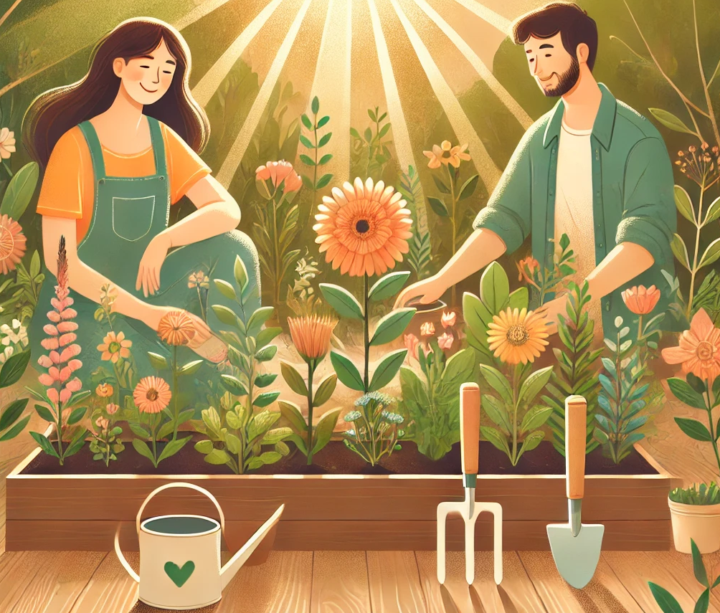
There’s something magical about putting your hands in the dirt, tending to your plants, and watching life bloom right before your eyes. But did you know that gardening doesn’t just benefit your plants — it also boosts your health? According to the Mayo Clinic Health System, gardening is more than just a weekend hobby. It’s a proven way to enhance your physical and mental well-being. Whether you're nurturing houseplants, herbs on a windowsill, or a full backyard garden, the benefits go far beyond the blooms. 🧠 Mental Health: Nature’s Therapy In today’s fast-paced world, stress is almost unavoidable. Gardening offers a natural escape — a grounding ritual that can reduce anxiety and improve your mood. The Mayo Clinic notes that regular gardening can lower levels of the stress hormone cortisol, helping you feel more relaxed and focused. There’s also something deeply meditative about watering plants, pulling weeds, and simply being present in your garden. That mindfulness is powerful. It gives your brain a break from screens, notifications, and to-do lists. Bonus: Watching something you planted grow and thrive can give you a real sense of purpose and accomplishment — and that’s a huge win for your mental well-being. 💪 Physical Health: A Gentle Full-Body Workout Gardening gets your body moving, too! From digging and planting to weeding and watering, these gentle movements provide low-impact physical activity that can help with: - Improving flexibility and strength - Burning calories and maintaining a healthy weight - Enhancing balance and coordination - Reducing the risk of chronic disease And because gardening usually takes place outdoors, you’re also soaking in valuable vitamin D from the sun — essential for strong bones and immune health. ❤️ Connection and Community One of the less obvious (but incredibly powerful) benefits of gardening is the sense of connection it can foster. Whether you’re swapping seeds with neighbors or posting plant progress in the Potted & Proud community, gardening is a great way to connect with others who share your passion.
1 like • Apr '25
I find it very peaceful to take care of my plants. I really want to grow more vegetables and learn how to have a sustainable garden.
1-6 of 6

@jennifer-chabot-2449
Holistic weight loss and mindful living coaching for women. Live your legacy life with less overwhelm, and more clarity.
Active 13h ago
Joined Apr 5, 2025
Alberta,Canada
Powered by