Activity
Mon
Wed
Fri
Sun
Sep
Oct
Nov
Dec
Jan
Feb
Mar
Apr
May
Jun
Jul
What is this?
Less
More
Owned by Igor
Men 45+ feeling the energy dip. In 90 days, separate yourself from 90% of men your age in energy and capacity. For disciplined men ramping up.
Memberships
20 contributions to Be Limitless Human: Energy+
Jun 7 •
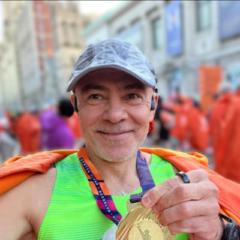
The only way to go is to go up!
Onondaga Man Half Ironman. First place in my age group. Not satisfied... The outcome doesn't match my potential. Bike is my strongest discipline, but I only did okay. Why? 75% training completion. That's the gap. 6 weeks until Ironman Lake Placid. I'm hitting 100% on every bike ride. Indoor, outdoor, rain, snow, aliens apocalypse 😀— doesn't matter. No excuses! Today: 4 hours on the bike, followed by a 1-hour run.

0 likes • Jun 7
In 2 weeks, I'm going to Lake Placid to train on the race course: swim, bike, and run. It will be a test of my capabilities, 1 month before the race. Let's roll!🦾
May 26 •
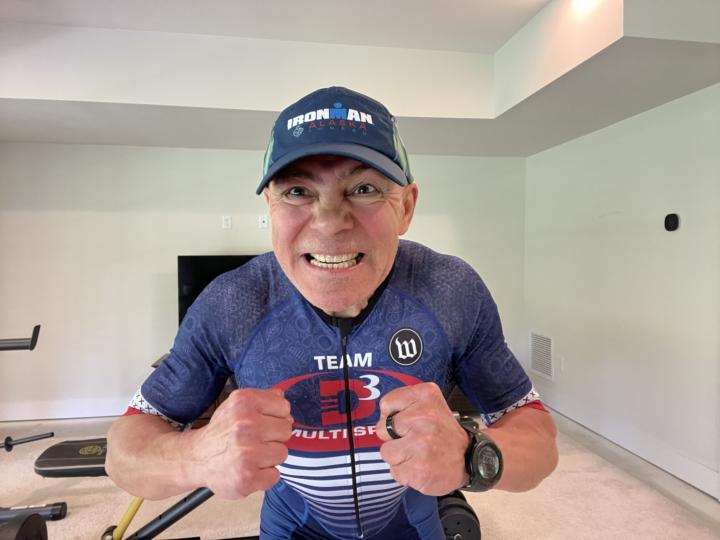
The Comeback Is Real
4 days out from my first Half Ironman since Ironman Lake Placid 2024. Two years of big racing, then in 2025, I did Escape from Alcatraz. After that race, something important got exposed: my genetics and nutrition weren't dialed in the way I thought. Spent a month working through recovery, got a genetic test done, and finally had answers. Now I'm back. Here's the reality though: training's been 75% percent of what I planned. Life happens. Work gets in the way. And honestly? I'm human too. People see me doing these big races and think I've got it all figured out. I don't. Not even close. I've got three time targets for this race. 5:45:00 means I finished. 5:30:00, that's solid. 5:15:00, that's awesome. But here's the truth: none of that matters as much as just showing up and doing my best with what I've got. This comeback isn't about being perfect. It's about being real and showing up anyway. See you on race day!🦾
0 likes • May 27
@Howie Geschwind One thing I can see with certainty, it will be fun 🏊♂️🚴♂️🏃❤️
0 likes • May 29
@Howie Geschwind 1 day to go!🦾
Mar 31 •
Most men don’t have low energy
For a long time I thought I just didn’t have the same energy I used to. So I did what most guys do… Push through it. No pain, no gain. Ignore it. More coffee! And it worked… until it didn’t. Looking back now, I don’t think I had “low energy.” I think I was just out of sync with how my body actually works. Everything looked fine on the surface. Training, work, routine… But something underneath wasn’t adding up. Have you ever felt this way? What was your approach to getting it fixed?
0 likes • May 8
@Howie Geschwind Why?
0 likes • May 28
@Howie Geschwind Coffee is not necessarily bad. I drink coffee every morning. About 20 ounces. The brand I like is Danger coffee. Mold-free, mineralized, and it taste awesome. Most coffees have aftertaste. When on the road, my choice of coffee is Starbucks, but it has aftertaste as well. Danger coffee has none. Depending on how your body metabolizing caffeine, you will know how to approach it. I am metabolizing caffeine in mid range, so I am not drinking coffee after 12 PM. You will find out what yours is once we get your gene test results.
May 17 •
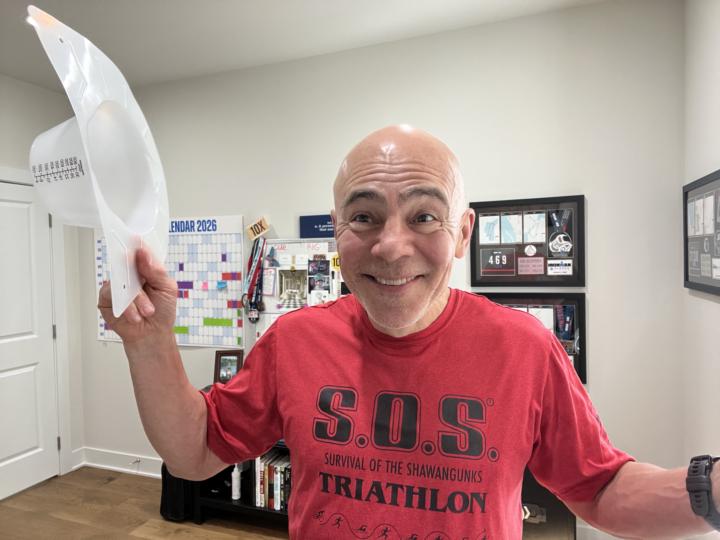
Diarrhea Taught Me I'm My Own Best Doctor
On March 28th, I ran a half-marathon, all out. Thirty minutes later, a banana. Another thirty minutes, another banana, and a small bagel. An hour after that, I'm in the bathroom with diarrhea. My first thought was simple: too many carbs, too fast. My gut was disrupted. But here's the thing—it didn't stop. A week later, I'm waking up after three bathroom trips overnight, and I know something's wrong. I head to the ER. They run a urine test, find nothing wrong, but treat me with antibiotics anyway. Turns out my gut wasn't impressed by their medical degree either. The antibiotics didn't help. So I see my PCP, who orders a stool test. Nothing. Still nothing. We do another stool test. Still nothing. And that's when the frustration really sets in - because the system is just running tests without actually listening to me or figuring out what's really going on. So I scheduled a telehealth appointment and told my PCP everything—all my supplements, my diet, nothing had changed for months. He pushes back on my idea of a specialized gut health test, insists on another three-part stool test. But I didn't believe that was going to help. So I do something different—I start digging into my own research. And magnesium keeps coming up. I'd been taking it for months for recovery, nothing new, but magnesium can cause loose stools. So I cut my intake in half. First day? Almost gone. Second day? Completely resolved. The doctors couldn't figure out what I solved in two days by actually understanding my supplements, doing the research, and making adjustments! Turns out the best doctor I have is the one who actually pays attention — me. #IAMDoctorNow #CallMeForMedicalAdvice 🤣🤣🤣 Have an awesome Sunday!
0 likes • May 19
@Howie Geschwind After the event, your gut is stressed if you go all out, so it make sense to wait. Unless it is warm soup 😁
1 like • May 27
@Howie Geschwind You are your own doctor, you are your own expert. Pay attention to symptoms, make changes, until you get it solved!
May 23 •
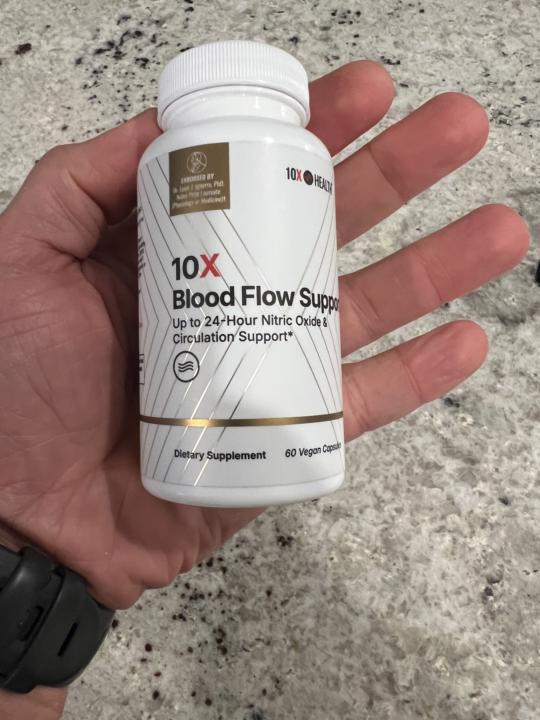
Day 3 on 10X Blood Flow Support — Here’s Why I’m Taking It
One week before triathlon race season, I’m dialing in everything — including a new supplement I’m excited about. Why blood flow matters for performance: Think of your blood vessels like delivery routes. Your heart pumps oxygen-rich blood everywhere your body needs it. The better those routes work, the more oxygen gets to your muscles and brain. More oxygen means better performance, faster recovery, and sharper focus. That’s what this does. It supports nitric oxide production — basically, it widens those highways so blood flows more efficiently. One dose works for 24 hours, so it’s steady, all-day support. Not a quick spike like a pre-workout. My approach: I’m taking one capsule a day this first week to let my body adapt. The recommended dose is one to two, so I’ll increase next week once I know how I respond. Day 3 so far — feeling good, no negative side effects, which is what matters most right now. I don’t expect this to change my life overnight. But better circulation, better oxygen delivery, better endurance? That’s the foundation everything else builds on. More updates as race gets closer.
0 likes • May 26
@Howie Geschwind As of Monday, I am on the full dose of 2 per day. Let's roll!🦾
0 likes • May 27
@Howie Geschwind Awesome!
1-10 of 20
@igor-krasnoperov-8301
Helping men 45+ eliminate energy dips and separate from 90% of men their age in energy and capacity within 90 days.
Active 11h ago
Joined Aug 23, 2025
USA
Powered by