Activity
Mon
Wed
Fri
Sun
Jul
Aug
Sep
Oct
Nov
Dec
Jan
Feb
Mar
Apr
May
Jun
What is this?
Less
More
Memberships
OfficialShelbyPepTalk
1.3k members • Free
Research Radar
11.8k members • $10/month
THE ANABOLIC STANDARD
285 members • $15/month
JP
JTFIT Performance Lab
223 members • $10/month
Hacksmith’s Peptalk Community
2.6k members • $10/month
61 contributions to JTFIT Performance Lab

4d •
Hey guys! 👋🏼
Hey guys. What's a good starting amount for Oxytocin? 💜 Also for Klow what's the max mg one can take per day? I see people are taking over 2mg of ghk. Would this be better to take more of the klow then too? Thank you for any and all advice. 💜

1 like • 2d
Oxy- 50-100 Micrograms

3d •
Hey pep fam!
Wanted to run ss31 but I’ve heard people get superrrr exhausted ? Normal? Can you by pass it? Or is it apart of the building the house back up 🫶🏼🫶🏼 thank you for any and all info and input
0 likes • 2d
It's normal but passes
1 like • 19d
Woah!!
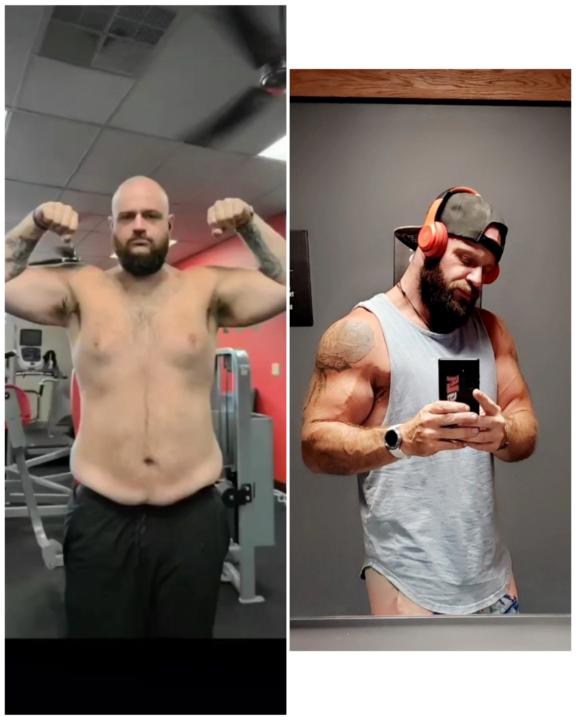
0 likes • 26d
Amazing job! Inspiring
30d •
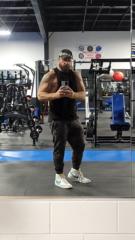
Mindset shift
A lot of us in here are in our 40s now and the goal shifts a little. Yeah looking good still matters and most of us still want to build muscle and stay lean… but it’s bigger than that now. We’re training so our joints still work well 20 years from now. So we can keep up with our kids. So getting off the couch doesn’t hurt. So our energy stays high. So our blood work stays in a good place. So we stay independent as we age instead of slowly declining and calling it “normal.” Longevity training doesn’t mean giving up intensity. It means training smarter. Recovery matters more. Sleep matters more. Mobility matters more. Walking matters more. Stress management matters more. Blood pressure matters more. Muscle mass matters more than ever. Most people wait until their body starts falling apart to care about health. We’re trying to build a body that still functions well decades from now. Being strong at 25 is easy. Being strong healthy mobile and sharp at 45 55 and 65 takes intention. That’s the real goal. With that being said the new program i add today will be strictly focused on this.
0 likes • 29d
Amazing
1-10 of 61
@haley-rollins-3656
New to peptides in 2025. Love the journey and cant wait to learn more.
Active 1d ago
Joined Jan 18, 2026
Bluffton, sc