Activity
Mon
Wed
Fri
Sun
Feb
Mar
Apr
May
Jun
Jul
Aug
Sep
Oct
Nov
Dec
Jan
What is this?
Less
More
Memberships
Natural Energy Solutions
38 members • Free
Fit Women 50+ Consistency Club
72 members • Free
Advancing With Amy
99 members • $10/month
The Sacred Self: Year of Ease
1.3k members • Free
Natural Living Club
2.7k members • $3/m
[ARCHIVED] Quantum Identity
137 members • Free
Shrink Rap
955 members • Free
HobbyScool®
3.9k members • Free
Holistic Product Tester Group
29.3k members • Free
5 contributions to Holistic Product Tester Group

⭐
🔥
5d •
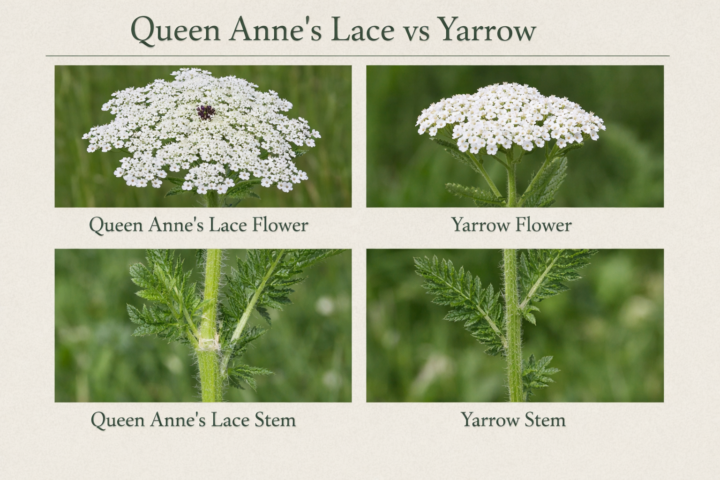
Yarrow or Queen Anne’s Lace Why Knowing the Difference Matters
Here's a helpful guide to help your "weed" identification skills! If you enjoy walking fields, back roads, or open meadows, you have probably noticed the white flowering plants that show up every summer and look almost identical at first glance. Many people assume they are all yarrow, but that is not always the case. Two very common plants that get confused are yarrow and Queen Anne’s lace. They grow in similar places, bloom at similar times, and often stand side by side. Knowing the difference matters, especially if you are interested in herbs, foraging, or simply understanding the plants around you. What is yarrow Yarrow is a perennial herb with soft, feathery leaves that grow along the stem. When you rub the leaves between your fingers, they have a strong herbal scent that is slightly bitter and aromatic. The flowers grow in tight, flat clusters and tend to look more compact and structured. Yarrow has a long history in traditional herbal use and is commonly associated with first aid support, skin applications, and seasonal wellness. Because of its strength, it is not recommended during pregnancy. What is Queen Anne’s lace Queen Anne’s lace is also known as wild carrot. It is a biennial plant and usually grows a bit taller and more delicate looking than yarrow. The flowers form an umbrella shape rather than a flat top, spreading outward from the center. Often there is a small dark purple flower right in the middle of the white cluster. This is one of the easiest visual clues and has been remembered through folklore as a drop of blood from Queen Anne’s finger while making lace. The leaves are more carrot like in shape and the stem feels fuzzy or hairy when touched. When crushed, the plant often smells faintly like carrots. Key differences to look for Yarrow has flat flower clusters while Queen Anne’s lace has a rounded, umbrella shaped bloom. Yarrow leaves grow along the stem and are finely feathered. Queen Anne’s lace leaves are more fern like and concentrated lower on the plant. Yarrow smells herbal and sharp when crushed. Queen Anne’s lace smells mild and carrot like. Queen Anne’s lace usually has a hairy stem. This is an important safety detail.

12 likes • 5d
Great information. They are not very common in my area but I have seen them both while traveling. I have not had the opportunity to use either.
⭐
🔥
17d •
💸🌿 Introducing Our New Weekly Series: Wellness on a Budget 🌿💸
DIY swaps that save money and reduce toxic exposure. Starting January 2nd, 2026. As we head into a brand new year, it felt like the perfect time to introduce something practical, empowering, and genuinely helpful. Let’s be honest; 2025 was a rough financial year for a lot of people. Groceries cost more. Household basics cost more. Health products cost more. And most of us are feeling it. The way we see it, we all need better ways to save money while still protecting and improving our health. That’s exactly what this new series is designed to do. Starting January 2nd, 2026, the Weekly Wellness on a Budget Series will focus on simple, realistic DIY swaps that help you: • Spend less on everyday products • Reduce unnecessary chemical and toxin exposure • Take more control over your health without overcomplicating things Each week, we’ll take a commonly purchased product, explain why it may not be serving your health or your wallet, and show you a clean DIY alternative that costs less over time. Household products, personal care, beauty, OTC and more will all be covered. DIY doesn’t have to be hard. Wellness doesn’t have to be expensive. And saving money shouldn’t mean sacrificing your health. This series is about moving into the new year smarter, more informed, and more empowered. I’m really excited to start this with you! Yours in holistic wellness, John
1 like • 14d
@Shelly Hansen I have looked at that but haven't figured how to fit it in my budget. I would love to try it out.
1 like • 14d
@Dawn Jenkins So sorry to hear that you are losing your Medicaid. I am always afraid that will happen to me too. EBT doesn't go far enough, does it? Mine sure doesn't.
⭐
🔥
28d •
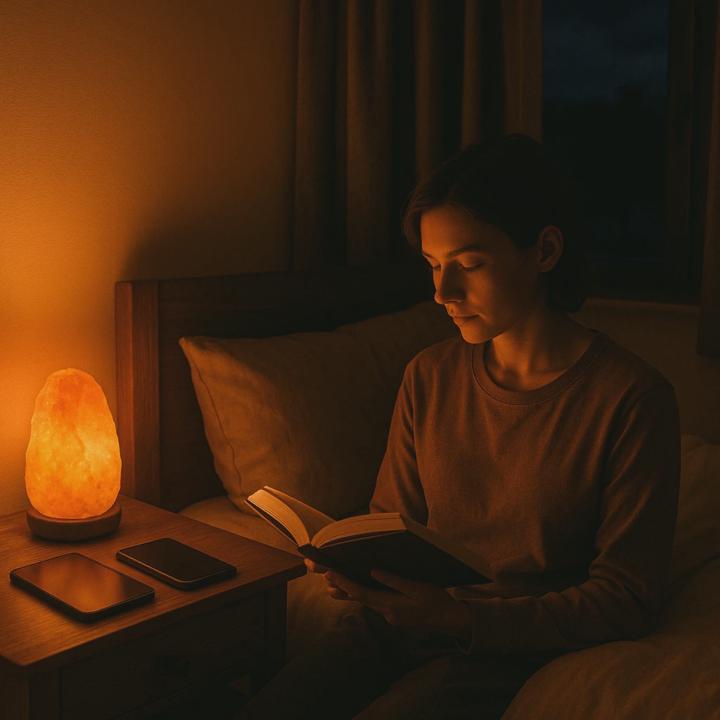
The Holistic American Blog: 💡 Blue Light After Dark: How Your Screens Are Sabotaging Your Sleep, Hormones, and Health
Hey Holistic Americans! ✨ Every evening, millions of Americans unknowingly disrupt their body's most fundamental biological rhythm. We scroll through phones in bed, binge Netflix until midnight, and work under LED lights long after sunset, all while wondering why we can't sleep, feel exhausted despite 8 hours in bed, and struggle with stubborn health issues that won't resolve. The culprit? Blue light exposure at the wrong times, hijacking the ancient circadian rhythm that governs nearly every function in your body. Let's explore how modern lighting is creating a health crisis, and what you can do to reclaim your natural rhythms. Understanding Your Circadian Rhythm Your circadian rhythm is your body's internal 24-hour clock, synchronized primarily by light exposure. For millions of years, humans lived by the sun; bright blue-rich light during the day signaled "wake up and be active," while the warm orange glow of fire at sunset signaled "wind down and prepare for sleep." What your circadian rhythm controls: • Sleep-wake cycles and melatonin production • Hormone release (cortisol, growth hormone, sex hormones) • Body temperature regulation • Metabolism and blood sugar control • Immune system function • DNA repair and cellular regeneration • Mood and mental health • Digestion and gut function When your circadian rhythm is aligned with natural light-dark cycles, your body functions optimally. When it's disrupted, everything suffers. The Blue Light Problem Not all light is created equal. Light exists on a spectrum, and blue wavelengths (400-495 nm) have the most powerful effect on your circadian rhythm. Blue light during the day: Beneficial; increases alertness, mood, cognitive performance, and suppresses melatonin appropriately. Blue light after sunset: Disastrous; tricks your brain into thinking it's midday, suppressing melatonin production by up to 50%, delaying sleep onset, and disrupting the entire hormonal cascade that should happen during darkness. Modern blue light sources:
8 likes • 27d
I have tried reducing and eliminating blue light before bedtime for several months at a time. I did not find that to help any. I have also tried most of the other suggestions. Some of them are not practical in my situation. So far nothing has made a difference. I still wake up more tired than when I go to bed. I hope this helps others though.
1 like • 19d
@John Oshua Thank you for the suggestions. Only one of the products is available in California. I will give it a try in January. My router is as far away as is possible in my small one -bedroom apartment. I tried the search and there were 26 pages. I will be checking some of them out soon.
⭐
🔥
Oct '25 •
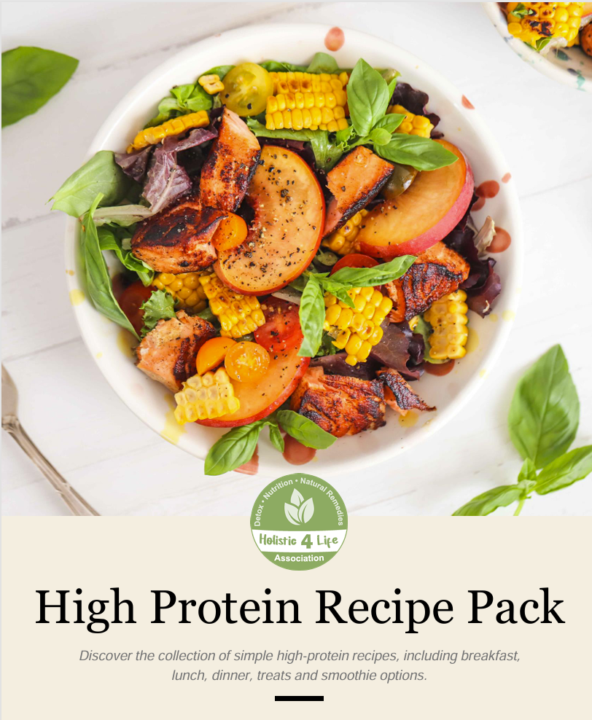
Test Product Drop! (3.1) High Protein Recipe Book
For those of you who are past the Product Test 3 in the Product Tester Program sequence, please go back to the newly created page #Product Test 3.1 & Review, and grab your free copy of our High Protein Recipe Book. PLEASE NOTE: Attached is just the cover image and table of contents. You have to click the link above and grab the actual book from the classroom page. 👇👇Then leave us a review below and let us know what you think of our nutritionists' recipes!👇👇
8 likes • Oct '25
The recipes look so good. I can't wait to try the Chicken and Mango Stir Fry and several others.
⭐
🔥
Mar '25 •
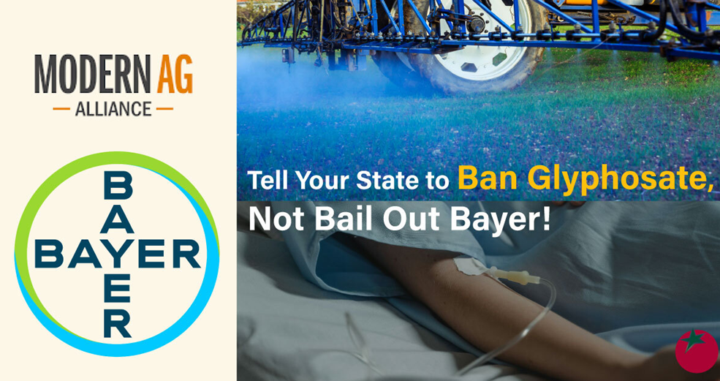
TAKE ACTION: Tell Your State to Ban Glyphosate, Not Bail Out Bayer!
At a glance: Bayer, manufacturer of the cancer-causing glyphosate-based Roundup Weedkiller, is working to pass laws across the United States with one intention: to shield them from facing consequences for producing and profiting from a cancer-causing chemical. Bayer is on the hook for billions of dollars for acting with “malice, oppression or fraud” to hide the fact that the glyphosate-based herbicide the company acquired when it bought Monsanto causes non-Hodgkin's lymphoma. But Bayer has a plan, and it’s a coordinated multi-state strategy to hijack democracy and protect the company from facing further legal consequences. On February 19, 2025, an Iowa Senate committee passed a bill that would shield Bayer from cancer lawsuits. And now legislators in several states, including Florida, Georgia, Idaho, Mississippi, Missouri, North Dakota, Oklahoma, and Tennessee are also trying to help Bayer escape liability. It’s now more important than ever to reach out to your state lawmakers and tell them they need to ban glyphosate, not bail out Bayer! TAKE ACTION: Tell Your State to Ban Glyphosate, Not Bail Out Bayer!
2 likes • Mar '25
Done
1-5 of 5
@frances-clark-6617
I am a retired QA supervisor. I have become more interested in Holistic health as I age.
Active 23h ago
Joined Feb 19, 2025
Powered by