Activity
Mon
Wed
Fri
Sun
Oct
Nov
Dec
Jan
Feb
Mar
Apr
May
Jun
Jul
Aug
Sep
What is this?
Less
More
The Hiker
209 members • $2/month
Japanese in Real Life
25 members • $7/month
Gundam Card Game Fans
6 members • Free
Skool Japan Language & Travel
151 members • $18/month
HI
Hiking in Japan
26 members • Free
Free Japan Skool
247 members • Free
Japanese Language Learners
435 members • Free
54 contributions to Japanese Language Learners

Apr 1 •
Wednesday Welcome – Youkoso!! 🥋 vs 🎨
ようこそ!Youkoso!! 🙇♂️Welcome to all our new members over the past week! This community is all about learning Japanese step by step — together.Keep showing up, keep practising, and you’ll keep improving! This week’s question is: ぶじゅつかびじゅつか?🥋🎨 bujutsu ka bijutsu ka? Martial arts or fine arts? Discipline, precision, and mastery of combat…or Creativity, beauty, and artistic expression? This question is open to everyone! Bonus points: Answer in Japanese and give a reason 👇 👉 ぶじゅつがすきです。かっこいいですから。 👉 びじゅつがすきです。きれいですから。 Looking forward to your answers! ありがとう、 Joe Sensei 🙏 Welcome: @Sofi Amor @Raven Mo @Tanakorn T @Megan Kiefert @Phachara Por @Jasmine San Nicolas @Alison Soong @Kelly Botha @Emma Torres @Adrian Bonina
Poll
6 members have voted

3 likes • Apr 1
I have always loved the martial arts, but you need both in your life.
Mar 26 •
Hiragana Challenge Day 3
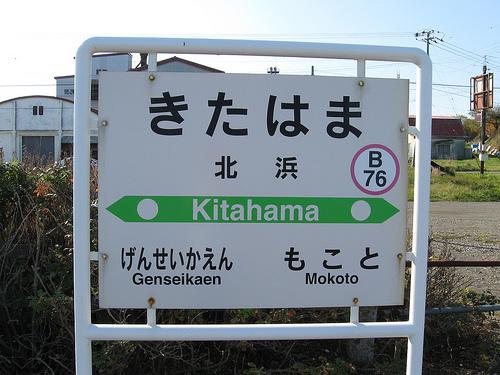
"If you can't fly, run; if you can't run, walk; if you can't walk, crawl; but by all means keep moving." — Martin Luther King Jr. Follow the link, watch the video and learn along. Complete the work sheet. Write your hiragana on some paper. Writing helps you distinguish the characters and get them into your long term memory. Post your work. Show off your skills, receive feedback and get motivation from us sharing together. https://www.skool.com/japanese/classroom/78718867?md=21770568599f415e9430b32ba774ed3e Please try your best (ganbatte kudasai)!!! Joe Sensei. @Leonardo Adoccimo @Ricardo Solomons @Kenny Feather @Julia Stanley @Harry Lewis @Serdar San @Lydia Cox P.S. Bonus Challenge. Which of the hiragana we've learnt so far can you see in the attached image of a Japanese train station sign?
3 likes • Mar 26
I will never forget looking out a train window of a train and seeing the station name on the wall, reading that name and then realising that it was in hiragana and I knew what it said. Having said that I can't remember now which station it was, but I remember that knowledge unlocking spark that takes the little squiggle lines that you ignore because they mean nothing to you and changes them into something you can at least begin to understand.
Mar 16 •
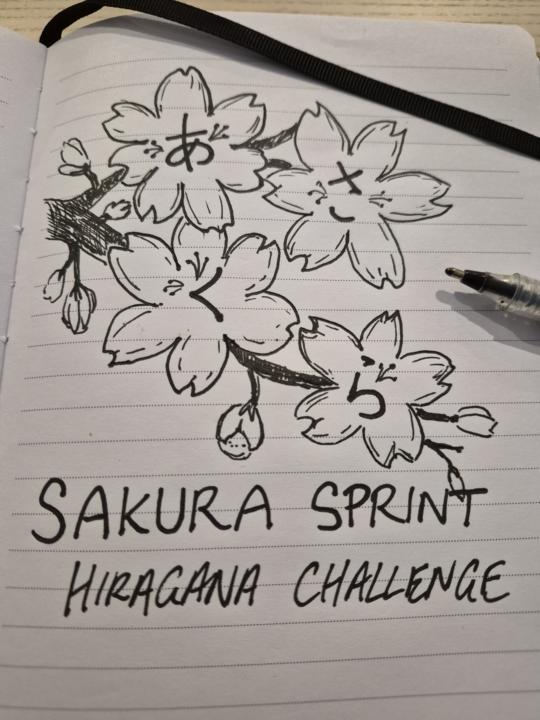
Hiragana Challenge, the Sakura Sprint!
It's sakura season! 🌸 Let's be inspired by their beautiful blooms and their fleeting charm to master hiragana in just 10 days. The last time we did a hiragana challenge, students were able to jump-start their Japanese journey and develop a strong habit of studying while mastering the writing system. If you'd like to join the challenge, let me know in the comments. We'll start in a few days and you will be a master of hiragana before the last cherry blossom falls.
1 like • Mar 17
Count me in
Mar 12 •
🍗 Karaage vs 🥩 Jingisukan
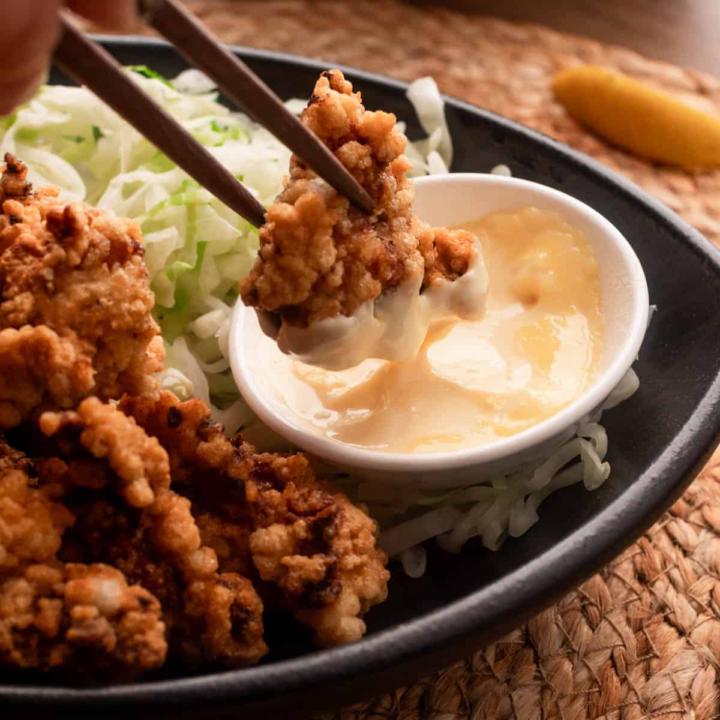
Yesterday’s winner was… 食パン (Shokupan)! 🍞🔥 The cloud-soft bakery favourite rises into the Final Four! Now we have a battle of bold flavours… 🔥 Japanese Food Tournament — Round 3 (Final 8) 🔥 🍗 Karaage vs 🥩 Jingisukan Crispy fried chicken versus smoky northern barbecue. Only one reaches the Final Four. 🍗 Karaage (唐揚げ) Juicy chicken marinated in soy sauce, garlic and ginger, then fried to crispy perfection — karaage is one of Japan’s most beloved comfort foods. From bento boxes to izakaya plates to festival stalls, it’s the kind of dish people never get tired of. Why it’s strong this round: Crispy outside, juicy inside Bold savoury flavour Easy to snack on and share A universal crowd favourite This is addictive comfort food. 🥩 Jingisukan (ジンギスカン) A specialty of Hokkaidō, jingisukan is grilled lamb cooked on a distinctive dome-shaped metal plate. The meat cooks on top while vegetables below soak up the flavour, creating a smoky, communal barbecue experience. Why it’s a serious contender: Unique lamb flavour Social, interactive cooking Strong regional identity Perfect for gatherings This is northern Japan’s BBQ pride. 🗳️ Time to Vote! Which one reaches the Final Four? The crispy fried favourite karaage? Or the smoky Hokkaidō grill jingisukan? Cast your vote and defend your favourite! 🍗🥩 The Final Four is about to be decided… 🔥
1 like • Mar 12
You know my vote is karaage!
Mar 10 •
Grand Sumo Day 2 Sumo Fact! 🇯🇵
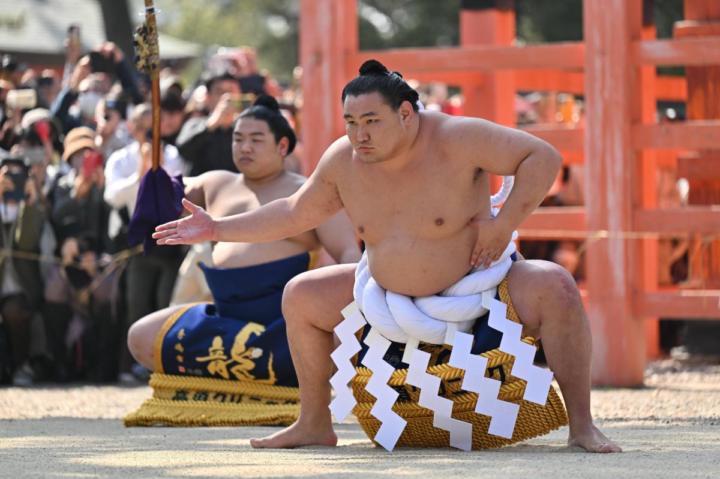
Day 2 Highlights on NHK: https://www3.nhk.or.jp/nhkworld/en/tv/sumo/tournament/202603/day2.html 🇯🇵 Sumo Fact: Yokozuna The highest rank in sumo is 横綱 (よこづな / Yokozuna). The word literally means “horizontal rope.” It refers to the large rope belt worn by Yokozuna during the ring entrance ceremony. Becoming a Yokozuna is extremely difficult. A wrestler must show not only strength and consistent victories, but also dignity and good character. Once promoted, a Yokozuna cannot be demoted — they usually retire if they can no longer perform at the highest level. Would you like to see a Yokozuna compete one day? 🇯🇵💪
1 like • Mar 10
I have been watching the top 10 matches on Don don Sumo on youtube the morning after the match and then later that evening I can watch the NHK grand sumo coverage. Both are educational.
1-10 of 54
@harry-lewis-3165
Florida native, machinist, stage director, business owner
Active 6d ago
Joined Dec 22, 2025
Powered by