Activity
Mon
Wed
Fri
Sun
May
Jun
Jul
Aug
Sep
Oct
Nov
Dec
Jan
Feb
Mar
Apr
What is this?
Less
More
Memberships
The School of Thyme & Wisdom
118 members • $20/m
3 contributions to The School of Thyme & Wisdom

Oct '25 •
Bitters- Sparking That Fire Week 2 Gut
Wow, I had no idea how important bitters were! Bitters are a class of herbs that stimulate digestion, bile production, and improve absorption of nutrients. Check out the video and the handouts!


1 like • Oct '25
Looking fir the handout also. Thanks
Oct '25 •
Basics of Blending Herbs
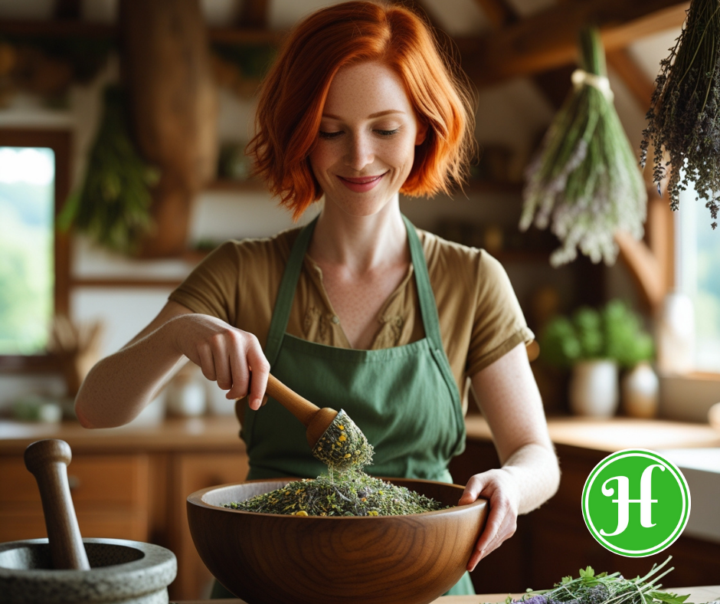
Since this category is dedicated to herb blends and pairings, I though it fitting to have a thorough post on blending herbs. Here you go- The Basics of Blending Herbs Herbal blending is both an art and a science. Whether you are creating a soothing tea, a culinary spice mix, or a healing salve, blending herbs thoughtfully ensures harmony of flavor, aroma, and effect. Beginners often find that a few guiding principles can transform their herbal creations from random mixtures into balanced, purposeful blends. 1. Understanding the Purpose of Your Blend The first step in blending is to define the goal. Are you seeking to support digestion, create a calming bedtime tea, or add complexity to a recipe? The purpose informs the types of herbs you select. For instance: - Medicinal blends may target specific systems (nervous, digestive, immune). - Culinary blends often balance flavor groups (savory, sweet, bitter, pungent). - Aromatic blends like incense or potpourri rely on fragrance harmony. 2. Choosing a Base Herb Every blend needs an anchor. In tea blending, this is often called the foundation herb, typically making up 40–60% of the formula. Base herbs are usually mild in flavor and action, supporting and carrying the other herbs. Examples include: - Lemon balm (Melissa officinalis) – calming, lightly citrusy. - Chamomile (Matricaria chamomilla) – soothing, floral. - Nettle (Urtica dioica) – nutritive, earthy. 3. Adding Supporting Herbs Supporting herbs reinforce the purpose of the base. They may contribute similar properties, add synergy, or bring in secondary benefits. For example, a calming blend of lemon balm might be paired with passionflower to enhance relaxation. In culinary blends, rosemary may be supported by thyme or oregano to build depth. 4. Accent Herbs: Flavor and Focus Accent herbs are added in small amounts (5–20%) to provide distinction. They bring brightness, spice, or a strong medicinal action. Examples include: - Peppermint for cooling freshness. - Ginger for warmth and improved circulation. - Lavender for aromatic, calming notes.
1 like • Oct '25
Holly, I'm one of those beginners that likes instructions and recipe. It gives me a good starting point. Everything you share is so beneficial for me.
Sep '25 •
Find Your Herbal Spark (Bespoke Herbal Journey part 1)
This weeks session was all about beginning your journey and finding your spark- that one little point that excites you and gets you going. By the end of September, you will have a full blown plan! This week's herb spotlight is chamomile. Watch the recording and download the Chamomile pdf. Tell me below- What is your herbal spark?

1 like • Sep '25
@Holly Ross i enjoyed the class. You have so much wonderful knowledge and share it so well.
1-3 of 3

Active 2d ago
Joined Apr 22, 2026
Powered by