Activity
Mon
Wed
Fri
Sun
Oct
Nov
Dec
Jan
Feb
Mar
Apr
May
Jun
Jul
Aug
Sep
What is this?
Less
More
Strength2Go!
52 members • Free
High Vibe Tribe
82.6k members • Free
Kingdom Brotherhood
2.5k members • Free
16 contributions to Strength2Go!

Mar 2 •
My Cycling Goals For The 2026 Cycling Season And The Next 10 Years
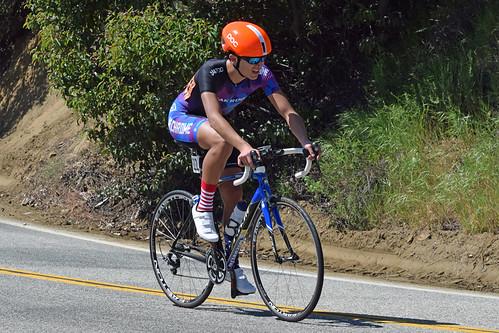
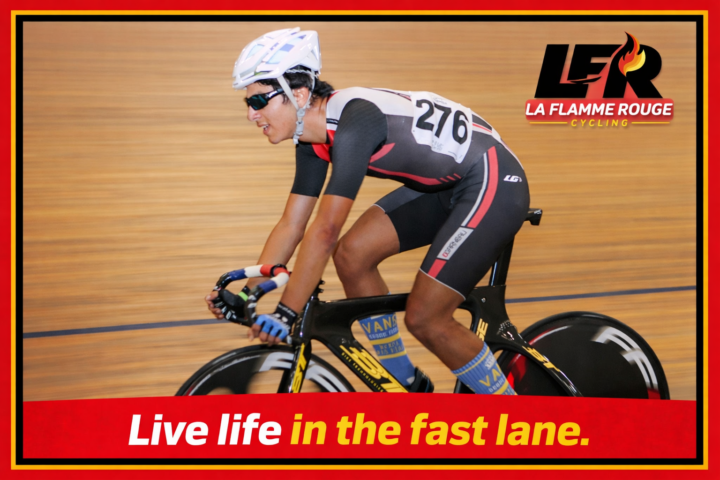
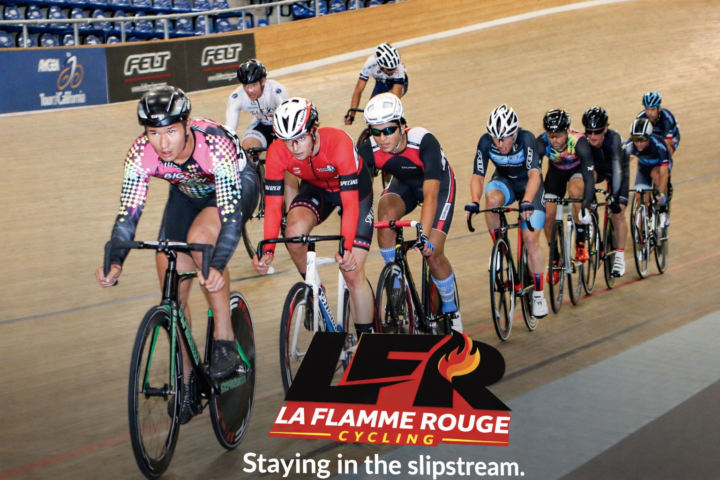
I didn’t come into cycling looking for shortcuts or quick validation. I’ve been racing bikes since I was 11 years old, and over time the sport has taught me things that don’t always show up on results sheets — patience, restraint, and the importance of thinking clearly under pressure. Cycling has a way of revealing who you are over years rather than moments, and that long view is what has kept me committed to it. What draws me in isn’t just how hard someone can ride, but *when* they choose to do it. I pay close attention to how races unfold beneath the surface — how positioning matters long before the decisive moment, how energy spent too early is rarely recovered, and how composure often matters more than aggression. I’m interested in timing, efficiency, and decision-making — the quieter parts of racing that separate strong riders from effective ones. Today, I race as a Category 2 cyclist on the track, continuing to refine my craft while building toward higher levels. I approach training and competition deliberately, with a focus on fundamentals, repetition, and consistency. I believe real progress happens quietly, through preparation and discipline, long before it becomes visible. I’m currently in a phase of intentional construction. Learning the track more deeply. Learning the road with patience. Learning myself through repetition and reflection. I’m interested in understanding *why* things work, not just copying what looks impressive. Every race, every training block, every setback is data — something to learn from rather than rush past. In April, I turn 29. I don’t see that as a limitation — I see it as clarity. I understand my motivations better now than I did when I was younger. I’m more disciplined with my time, more deliberate with my effort, and more realistic about what long-term development requires. I’m comfortable with long horizons and delayed outcomes. My long-term vision is clear. Over the next five to ten years, I’m working toward becoming an Olympic Omnium rider, an Olympic road race rider, and eventually a Grand Tour cyclist. Not because those goals sound impressive on paper, but because they represent the highest level of mastery in this sport — physically, mentally, and strategically. They demand patience, adaptability, and years of focused work.

1 like • Mar 17
@Jeff Boyer cross training. Swimming, cycling and running all benefit each other in multiple ways.
Mar 17 •
Paris-Nice 2026
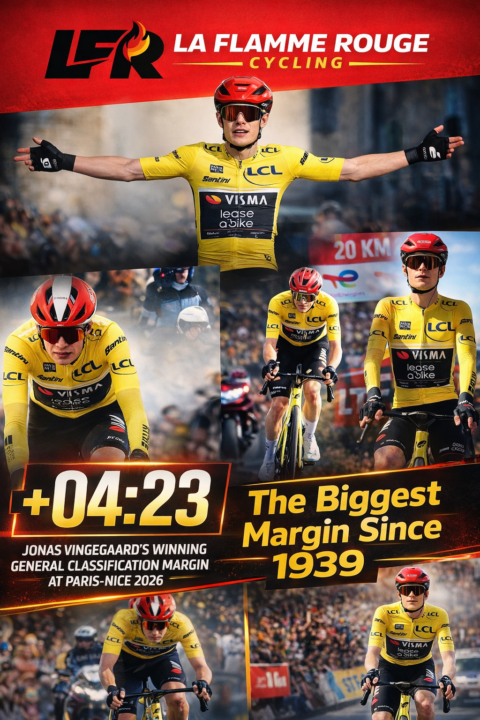
Unrivaled dominance; but more importantly, a masterclass in how to race a stage race. 🏆 Congratulations to Jonas Vingegaard on an extraordinary victory at Paris-Nice 2026. Winning by 4:23; the largest margin in 87 years; wasn’t just about being the strongest rider. It was the result of disciplined execution, tactical patience, and a team strategy that never wasted a match. From a coaching perspective, a few key lessons stand out: Read the comments thread to learn what they are: 🧵 👇 (Pay Attention To #4.) 1. Control before aggression. The foundation of Jonas’ victory was control. The team managed the race tempo early, avoided unnecessary risks, and only committed when the decisive moments arrived. The other 3 takeaways are in the comments thread: 🧵👇
0 likes • Mar 17
3. Team structure wins stage races. This performance highlighted the importance of a cohesive unit. Every rider played a role in positioning, pacing, and protecting the leader. Stage races are rarely won alone.
0 likes • Mar 17
4. Preparation creates inevitability. Victories like this are built months in advance. Training, recovery, nutrition, and race planning create the platform that allows talent to fully express itself.
1-10 of 16
@chazmichael-morales-5786
Professional commis chef, professional bicycle salesman, competitive cyclist and Ironman triathlete.
Active 178d ago
Joined Feb 12, 2026
INTP
Powered by