Activity
Mon
Wed
Fri
Sun
Jun
Jul
Aug
Sep
Oct
Nov
Dec
Jan
Feb
Mar
Apr
May
What is this?
Less
More
Owned by Billy
Powercore 360 Builds Arm Speed Fast without Pain & Injury
Quickly train your hips, spine, shoulders and body to consistently perform the movements of a consistent & powerful golf swing.
Memberships
AI Automation Society
356.4k members • Free
Skoolers
191.1k members • Free
17 contributions to Powercore360-volleyball

12d •
Tonight's LIVE Q&A - Why Your Athlete Doesn't Hit Hard?
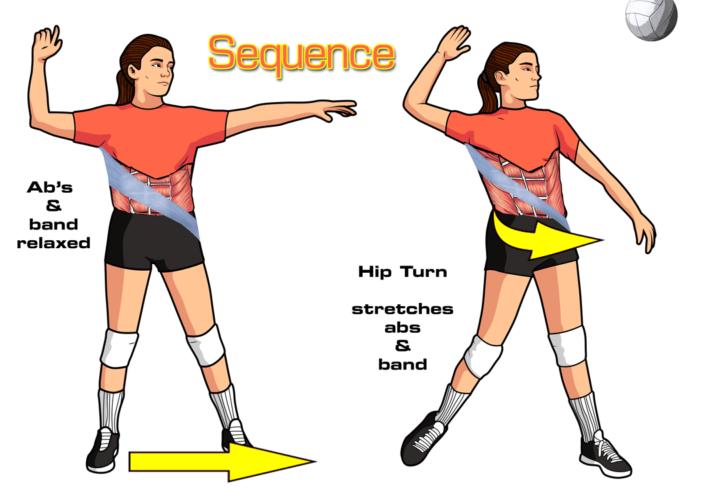
Join our LIVE Zoom Session TONIGHT @ 5 pm MT at this link https://us02web.zoom.us/j/81719301828 PC360 Founder Billy Glisan and PC360 Coaches (physical therapist - Kelly Fieseler and former All American & Professional Player - Nicole Edelman) provide solutions for this issue. 🏐 Lesson: Why Your Athlete Isn’t Hitting Hard (And What Actually Fixes It) Most parents (and athletes) think: “They just need to get stronger.” That’s not the real reason most athletes struggle to hit hard. There are 3 things that actually control power: 1️⃣ Mechanics = How the body moves This is your athlete’s technique. - How they swing their arm - How they position their body - How they contact the ball 👉 If mechanics are off: - Power leaks - Ball control drops - Injury risk increases Simple check: Does their swing look smooth and repeatable… or forced and inconsistent? 2️⃣ Sequencing = How the body works together Power doesn’t come from the arm alone. It flows like this: Hips → Torso → Shoulder → Arm → Hand 👉 If sequencing is off: - Athlete uses mostly arm - Loses power - Overloads the shoulder Simple check: Does their whole body move together… or just the arm? 3️⃣ Timing = When it all happens Even perfect mechanics won’t work if timing is off. This includes: - When they jump - When they swing - Where the ball is 👉 If timing is off: - They’re under or behind the ball - Contact is weak or mistimed Simple check: Are they contacting the ball at their highest point? 🔑 The Key Takeaway “Move right → in the right order → at the right time.” That’s how hitters create power. 🚨 What Most Athletes Do Wrong - Try to swing harder with the arm - Rush their approach - Jump too early or too late 👉 Result: No power… and more stress on the shoulder. ✅ What We Focus On In This Program Inside PC360 training, we help athletes: - Feel the correct mechanics - Train proper sequencing (hips → torso → arm) - Improve timing through structured reps
0
0
19d •
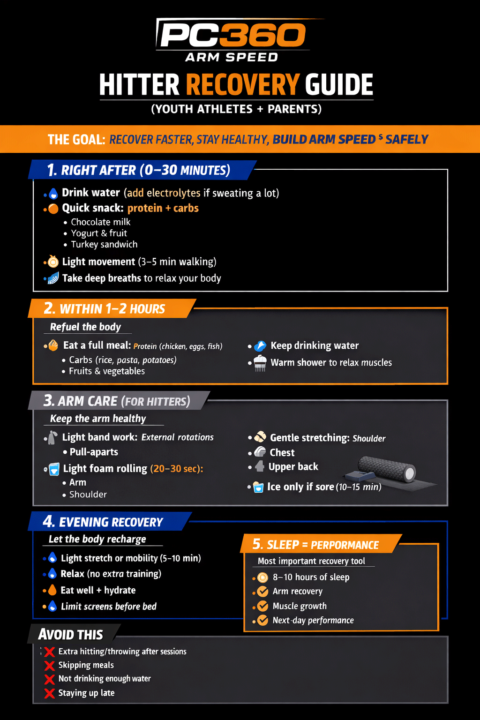
Arm Speed Recovery Routine - Reduce Soreness & Improve Hitting
Recovery is one of the most overlooked parts of improving arm speed and staying healthy during the season. We put together this simple PC360 Recovery Guide to help athletes and parents understand exactly what to do after practices and matches to: - Reduce soreness - Protect the arm, shoulder, and back - Recover faster between sessions - Continue building arm speed safely This is a quick, easy-to-follow system athletes can start using immediately. 👉 Remember: Hydrate → Eat → Light Move → Sleep Use this consistently and you’ll give your body the best chance to improve and stay on the court.
3
0
20d •
How to Throw to Increase Hitting Arm Speed
Here's last weeks LIVE Q&A Zoom Session from 4-9-26. Learn how to throw with great mechanics to help you hit harder, safely. Don't Miss tomorrow's FREE LIVE Session @ 5 pm MT https://us02web.zoom.us/j/81719301828
2
0
Mar 30 •
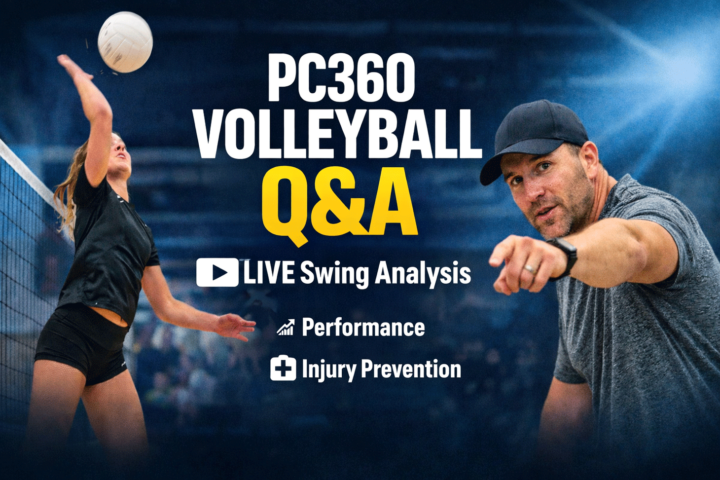
🟠 Weekly Live Q&A | Submit Swing for Review
We’re going live on ZOOM each Thursday at 5 pm MT. The weekly schedule & link https://us02web.zoom.us/j/81719301828 are in the Calendar tab. Each session includes: - athlete arm speed video breakdowns - tips for arm speed, mindset, vertical jump or injury prevention - live Q&A 🎥 Want Your Video Reviewed? Watch this quick course first so your video can actually be reviewed: 👉 https://www.skool.com/powercore360-vball/classroom/145c9f73?md=7a4ef7eded5840bf881d1cc8e750ae35 This shows you: - how to film your video - where to upload - what to include - how to get the best feedback ⚠️ Videos that don’t follow this process may not be reviewed. Submit Questions here - https://powercore360.com/pages/volleyball-q-a-question-submission
0 likes • 26d
@Jennifer Avila Great! See you then. Feel free to submit any questions through the link here in the Weekyl Live Q&A post! See you soon.
26d •
Skool Members Save 10%
Now our Skool members can save 10% on our Patented Powercore 360 Volleyball training gear. *Discount does not apply to Clinics or Online Training Masterclasses* Our volleyball training gear accelerates both the performance and learning process. You can learn more here - https://powercore360.com/pages/volleyball2022 Use code - "Skool product discount" - in checkout
1
0
1-10 of 17
@billy-glisan-1832
Billy Glisan is the founder of Powercore360 a strength & performance coach, exercise physiologist, helping athletes hit harder without injury.
Active 9h ago
Joined Apr 19, 2025
Powered by