Activity
Mon
Wed
Fri
Sun
Sep
Oct
Nov
Dec
Jan
Feb
Mar
Apr
May
Jun
Jul
Aug
What is this?
Less
More
iSwim (Coach Bradley)
299 members • $4/month
Navigating Neva
197 members • Free
Free Superhero Swim University
1.3k members • Free
14 contributions to Navigating Neva

Apr 10 •
Petition
Please consider signing https://www.change.org/p/pass-a-national-water-safety-education-act-for-all-u-s-public-schools?recruiter=1163445757&recruited_by_id=1ab32930-235a-11eb-ae3e-afb5a163ba9d&utm_source=share_petition&utm_campaign=starter_onboarding_share_personal&utm_medium=copylink&share_id=PFcxdXKjmd&fbclid=IwZnRzaARGLNRleHRuA2FlbQIxMQBzcnRjBmFwcF9pZAo2NjI4NTY4Mzc5AAEeGaX5DEQR_DdLHsORFJSqXmL2mQc7a4EFkA3JhTm2rPYlnJtQFdCJhZLJGRY_aem_rWAZtFYJbHNSmnANgCX7Sg
1 like • Apr 11
Done
Apr 7 •
Week 3 with Selena
So much of what parents are sold in aquatics sounds helpful, protective, and necessary. But is it actually helping a child learn to move safely and confidently in the water? In Week 3 of our series with Selena on Navigating Neva, we talk about the “No Equipment Philosophy” and break down the real tradeoffs behind goggles, floaties, puddle jumpers, and other common tools parents use at home and in lessons. https://youtu.be/eSoIFzzW0sI
0 likes • Apr 7
Is there a Week 2 with Selena? I really enjoyed and learned a lot from you and Selena in the Origin video. I plan to listen/watch Week 3. Thanks
0 likes • Apr 7
Thank you!
Mar 16 •
Swum, iclass, jackrabbit
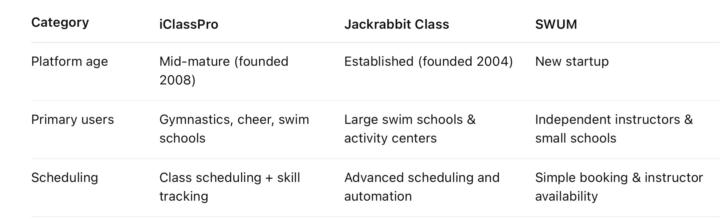
I know at the retreat a lot of people heard about SWUM, and there were also conversations around iClassPro and Jackrabbit. Since Jacob uses iClassPro and I use Jackrabbit, I thought I’d share a simple comparison for anyone trying to sort through the options. This is not me saying one is “right” and one is “wrong.” It’s just meant to be helpful. Every swim school is built a little differently, so the best platform really depends on your size, structure, and goals. Sharing in case it helps someone make a more informed decision.
0 likes • Mar 16
Thank you for sharing. The comparison chart is very helpful and timely. Scheduling and registration is overwhelming for an independent instructor/owner with a growing busines.
Mar 4 •
Quick reflection:
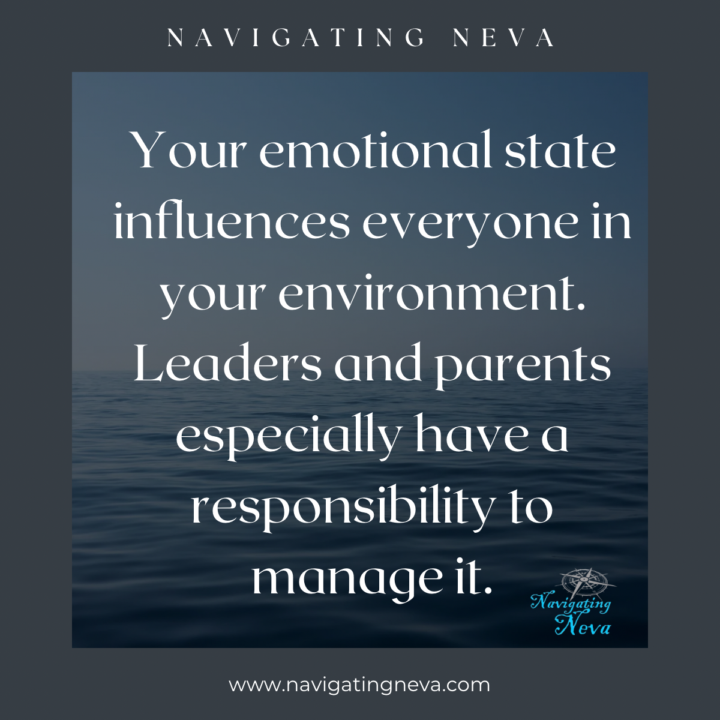
When you walk into a room—does the room settle… or tighten? Your emotional state influences everyone around you. Leaders and parents most of all. What’s one habit that helps you regulate before you respond?
0 likes • Mar 5
I feel I am seen as a team player with skills to make the team stronger. I think my colleagues feel I am reliable, trustworthy and friendly. They know I will do my best to meet the challenges a swimmer or teacher presents. If I don't know an answer, I will research and ask. In general, I feel the room is at ease when I enter. My habit - I try to keep the parent in mind. They are entrusting their precious child with me to teach skills that may safe a child's life. This isn't really a habit, but maybe a mindset.
Mar 4 •
Quick roll call
I’m realizing I’ve been the main poster here, and I want this to become a real working community—not a feed. Comment with 3 quick things: 1. I’m a: (lifeguard / instructor / manager / owner / vendor / other) 2. My biggest stuck point right now is: ____ 3. I can help others with: ____ No long answers needed—1 sentence each.

2 likes • Mar 5
1. I'm a swim instructor (WSI, adaptive and soon to be ISR certifications), lifeguard, assistant coach and owner of mobile business. 2. My biggest sticking point is how to deliver a variety of services to rural communities, as well as, promoting effective aquatic operations for remodeled/restructured existing community pools. At this point, I see myself more as a facilitator rather than an aquatics manager. My hope is for communities to develop robust facilities and value what they do have. 3. I can help others with strategies/techniques to develop swim skills and water safety skills through traditional and adaptive swim lessons. I can help "navigate the waters" through building a part time business while maintaining a full time career (I was a swim instructor, growing a mobile swim lesson business for 12yrs before retiring as a special education teacher in 2024.)
1-10 of 14
@beth-baker-6361
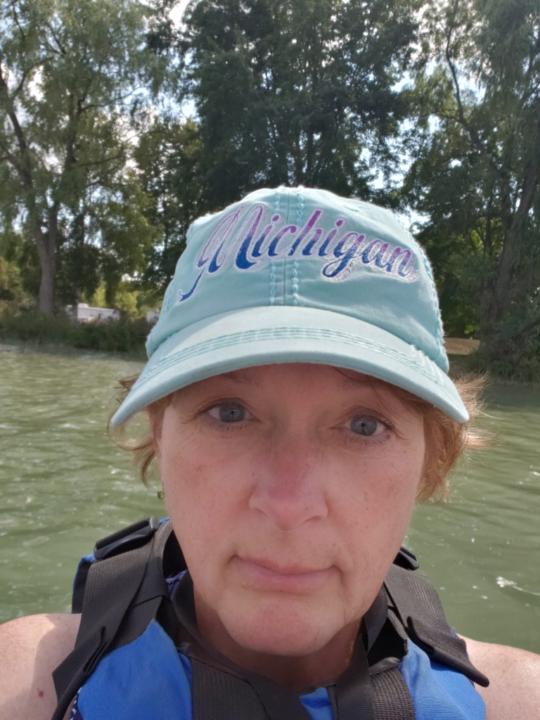
My name is Beth Baker. I am a retired special education teacher pursuing a second career as a swim instructor. I serve communities in West Michigan.
Active 36d ago
Joined Nov 14, 2025