Activity
Mon
Wed
Fri
Sun
Oct
Nov
Dec
Jan
Feb
Mar
Apr
May
Jun
Jul
Aug
Sep
What is this?
Less
More
Owned by Joe
Learn to actually use Japanese effectively! Master hiragana and speak your first 50 sentences in just 12 days with fun, support and encouragement!
JapanEasyReads Hub
176 members • $10/month
The YouTube Academy
2.5k members • Free
World Of Anime
74 members • Free
Anime HQ
266 members • Free
🇦🇺 Sydney IRL
298 members • Free
The Storyteller's Path
341 members • Free
Australian Ancestors
19 members • Free
Skoolaroos
219 members • Free
Skoolers
161k members • Free
480 contributions to Japanese Language Learners


0 likes • Jul 8
Yokoso! Welcome!! What has got you interested in learning Japanese?
Jul 7 •
📝 今週の日記(Weekly Diary)
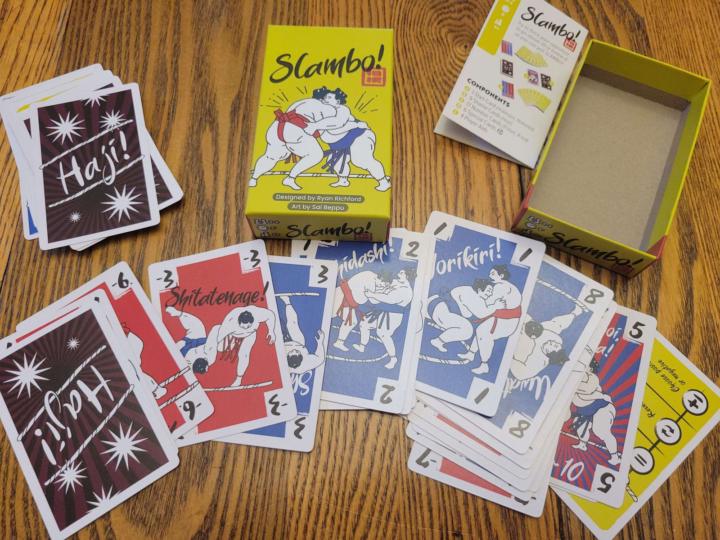
✏️ Goal: Write a short diary entry in Japanese 🧠 Focus: Talking about hobbies ✅ Beginner / N5 (with romaji + English) 週末にボードゲームコンベンションに行きました。 Shuumatsu ni boodo geemu konbenshon ni ikimashita. On the weekend, I went to a board game convention. 家族や友だちとボードゲームをすることは、私のしゅみの一つです。 Kazoku ya tomodachi to boodo geemu o suru koto wa, watashi no shumi no hitotsu desu. Playing board games with family and friends is one of my hobbies. とても楽しかったです。 Totemo tanoshikatta desu. It was a lot of fun. 新しいゲームをしました。 Atarashii geemu o shimashita. I tried some new games. 妻と遊ぶために、相撲のカードゲームを買いました。 Tsuma to asobu tame ni, sumou no kaado geemu o kaimashita. I bought a sumo card game to play with my wife. ✅ N3 Version 週末にボードゲームコンベンションへ行きました。 家族や友だちとボードゲームで遊ぶことは、私の大好きな趣味の一つです。 いろいろな新しいゲームを遊んで、とても楽しい時間を過ごしました。 妻と一緒に遊ぶために、相撲をテーマにしたカードゲームも買いました。 🫵 Your Turn What is one of your hobbies? あなたのしゅみは何ですか。 Anata no shumi wa nan desu ka? I'd love to hear about it! 😊
Jun 13 •
Ocha and Chat postponed.
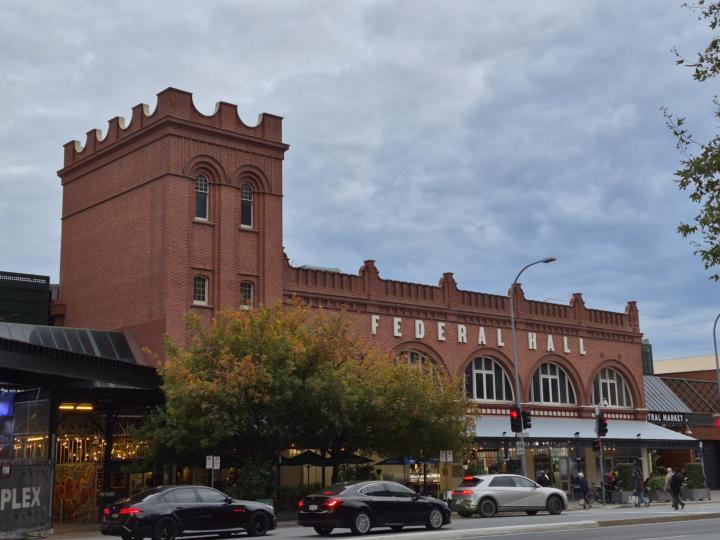
すみません! Sumimasen I'm sorry! 今、妻とアデレードにいます。 Ima, tsuma to Aderēdo ni imasu. I’m in Adelaide with my wife. 明日、飛行機に乗ります。 Ashita, hikōki ni norimasu. I’ll be on a flight tomorrow. いいところです。 Ii tokoro desu. It’s a nice place. 最近、どこかいいところに行きましたか? Saikin, doko ka ii tokoro ni ikimashita ka? Have you visited somewhere nice recently? どこに行きましたか? Doko ni ikimashita ka? Where did you go?
0 likes • Jun 14
@Lavanya Karthik sou desu ka? Dono machi ni ikimashita ka? Which city/cities did you go to?
1 like • Jul 4
@Empathy And love
Jun 29 •
📝 今週の日記(Weekly Diary)
✏️ Goal: Write a short diary entry in Japanese 🧠 Focus: Past tense + looking forward to something ✅ Beginner / N5 (with romaji + English) 今週はずっと家にいました。 Konshuu wa zutto ie ni imashita. I was at home all week. 本を読みました。 Hon o yomimashita. I read books. ゲームをしました。 Geemu o shimashita. I played video games. 妻とテレビを見ました。 Tsuma to terebi o mimashita. I watched TV with my wife. たくさん笑いました。 Takusan waraimashita. We laughed a lot. でも、家を出るのを楽しみにしています。 Demo, ie o deru no o tanoshimi ni shiteimasu. I'm looking forward to leaving the house. ✅ N3 Version 今週はずっと家で過ごしました。 本を読んだり、ゲームをしたり、妻とテレビを見たりしました。 たくさん笑って、楽しい時間を過ごせました。 でも、そろそろ外に出たいです。家を出られる日を楽しみにしています。 🫵 Your Turn What did you do this week? 今週は何をしましたか。 Konshuu wa nani o shimashita ka? Write 3–5 sentences about your week! 😊

1 like • Jul 2
@Trevon Augustin とてもいい学生ですよね!偉いです!
0 likes • Jul 3
@Stephanie Leung どんなゲームをしますか?私はFifaをしました。へへ⚽️
Jun 15 •
📝 今週の日記(Weekly Diary)
✏️ Goal: Write a short diary entry in Japanese 🧠 Focus: Describing places ✅ Beginner / N5 (with romaji + English) 妻とアデレードに行きました。 Tsuma to Adereedo ni ikimashita. I went to Adelaide with my wife. とてもすてきなところでした。 Totemo suteki na tokoro deshita. It is a lovely place. おもしろい建物がありました。 Omoshiroi tatemono ga arimashita. It had interesting buildings. 食べ物はおいしかったです。 Tabemono wa oishikatta desu. The food was delicious. 町はきれいでした。 Machi wa kirei deshita. The town was clean. またいつか行きたいです! Mata itsuka ikitai desu! I want to go again one day! ✅ N3 Version 妻とアデレードに行きました。 とてもすてきな町で、おもしろい建物やおいしい食べ物がたくさんありました。 町もきれいで、歩いていて気持ちよかったです。 またいつか行きたいと思っています! 🫵 Your Turn Have you visited a nice place recently? 最近、どこかすてきな場所に行きましたか。 Saikin, doko ka suteki na basho ni ikimashita ka? Write 3–5 sentences 😊

1 like • Jun 18
@Neil Pennell wow! This one is so popular. I need to try it!!
1 like • Jul 3
@Lydia Cox Shitbox rally. So Aussie!!! Hahaha. I hope you can share photos with us!!
1-10 of 480

@joesensei
Call me Joe Sensei. I love Japanese and teaching. I lived in Nagoya, Japan. I have taught for 15+ years helping 1000s of students master Japanese.
Active 8d ago
Joined Sep 22, 2025
Gosford
Powered by