Activity
Mon
Wed
Fri
Sun
Aug
Sep
Oct
Nov
Dec
Jan
Feb
Mar
Apr
May
Jun
Jul
What is this?
Less
More
Owned by Kate
A supportive community for vegans & the plant-curious to build clarity, confidence & connection — and truly Thrive with Plants.
Memberships
Empowering Animals
53 members • Free
WFPB Skool
857 members • Free
Skool Geeks
124 members • Free
The Menopause Lab
61.2k members • Free
the skool CLASSIFIEDS
2k members • Free
Peri to Post Menopause Journey
13 members • Free
Animal Connection
46 members • Free
Rooted & Wild
140 members • Free
Virescent Wellness
24 members • Free
78 contributions to Inspired Life, Empowered Being

22h •
Self-Love: Empowerment or Self-Absorption?
Self-care, self-love, self-reflection....self, self, self. These all seem to be great things, but is there a dark side to this? Have we become so obsessed with ourselves that we're actually doing more harm than good? The opposite, self-abandonment and self-neglect, are not great either. Is there a line that we can walk better? Can we have a better relationship with our selves? 𝐏𝐇𝐈𝐋𝐀𝐔𝐓𝐈𝐀 Philautia (φιλαυτία) comes from Ancient Greek: philos = love, affection autos = self - Meaning: self-love or love of oneself. In some contexts this was seen as a virtue while in others it's seen as a vice. So, I suppose context and further definition matters. 𝐄𝐌𝐏𝐎𝐖𝐄𝐑𝐌𝐄𝐍𝐓 Healthy self-regard is beneficial for wellbeing....I'd argue that humility is being able to be grounded in truth. It's not about downing oneself, but rather about being abile to see something for what it is--we'd be able to see our strong points and also our weak points. But with our ability to see our weaknessess and mistakes, we would also need to pair that up with self-compassion This leads to more resilience, more accountability, and increased ability to learn from our mistakes. In this sense, self-love isn't arrogance but it's rather the foundation of growth. 𝐒𝐄𝐋𝐅 𝐀𝐁𝐒𝐎𝐑𝐏𝐓𝐈𝐎𝐍 Many philosophical and religious traditions offer a caution though-- when the self becomes the primary object of our attention, something begins to distort. Psychology also echose this in some way--we know that excessive self-focus is linked to heightened sensitivity to perceived threats/criticism, rumination, anxiety and depression. If the mind becomes trapped into the loop of "how do I feel", "What does this mean about me?", and "how am I being perceived" and this has detrimental effects---the more we obsess about ourselves, the less fulfilled we become. Our relationship with others AND our relationship wtih ourselves suffers. It becomes pigeon holed and doesn't take our whole being into account. If you've gotten to this point, here's what I read that inspired this whole post:
Poll
2 members have voted

🔥
0 likes • 3h
The way I see it, is it's important to have a purpose or vision beyond ourselves. Much bigger than ourselves. Something you are passionate about, and something that drives to you serve others, the environment, the animals... whatever it is for YOU. And then, because the danger can be you push so hard, because you care so much, that self-care / self-love is something you make a non-negotiable part of your daily and weekly routine. So that you don't burn out. So that you can continue to serve. I get it might not be like that for everyone, however that feels like the right fit for me. And I feel fairly confident my body only handles the pressure I put it under because I also am so committed to the many things I do to show it love and respect. In stressful times I think of these little habits and routines like a little lift-raft I'm clinging too... 😅💚

🔥
3d •
Stop Calling Survival Mode Discipline.
Working through exhaustion isn't always commitment. Sometimes it's fear. Fear of falling behind. Fear of disappointing people. Fear that everything will fall apart if you stop. So we call it discipline. But discipline helps you grow. Survival mode simply helps you get through another day. There's a big difference. A healthy business and a healthy life aren't built by constantly ignoring your own needs. They're built by knowing when to move forward and when to slow down. 🗨️: Have you ever mistaken survival mode for productivity?

🔥
0 likes • 1d
Absolutely, when I was stuck in the Business from Hell... a money hemorrhaging gym franchise. I felt so trapped. So stressed. This business broker when I eventually sold it said: "Kate, this business is like a soap opera!" It truely was. So much went wrong. That experience taught me a lot though - most importantly, to back myself 100%... or put another way, self belief. And that "failure" isn't final. You get another go. As long as you have the courage to keep trying. I also learnt how important Freedom is to me. (funny we often get clarity on our top values when we are NOT living them).
7d •
Your brain is not a junk drawer: Stop stuffing everything in there
I saw this little meme the other day that said "Unfortunately, I want to do everything! And I want to do it all excellently, immediately, and with no learning curve!". This encapsulates my energy towards wanting to do SO many things. I don't mind the hard work that it takes to learn something new (I tend to embrace the suck that comes along with learning), BUT I do mind that it comes with the time commitment and at the expense of being able to do other things. We live in a land of excess...ahem, I mean, opportunities. Sometimes the availability of so many options really can really impact the cognitive load which then affects decision making, starting, and follow through. Mental fatigue isn't always caused by "doing too much". A lot of times, it's caused by asking our brains to manage too many unnecessary decisions, distractions, and competing demands all at once. The goal of this post is to help to move us from reactive thinking ("backseat driving") to intentional thinking ("Front-seat driving"). 𝐒𝐭𝐫𝐚𝐭𝐞𝐠𝐢𝐞𝐬 𝐟𝐨𝐫 𝐃𝐞𝐜𝐫𝐞𝐚𝐬𝐢𝐧𝐠 𝐂𝐨𝐠𝐧𝐢𝐭𝐢𝐯𝐞 𝐋𝐨𝐚𝐝 𝐚𝐧𝐝 𝐈𝐦𝐩𝐫𝐨𝐯𝐢𝐧𝐠 𝐄𝐟𝐟𝐢𝐜𝐢𝐞𝐧𝐜𝐲 1. 𝐒𝐭𝐨𝐩 𝐬𝐩𝐞𝐧𝐝𝐢𝐧𝐠 𝐂𝐄𝐎 𝐭𝐲𝐩𝐞 𝐞𝐧𝐞𝐫𝐠𝐲 𝐨𝐧 𝐭𝐢𝐧𝐲 𝐝𝐞𝐜𝐢𝐬𝐢𝐨𝐧𝐬 (𝐄𝐥𝐢𝐦𝐢𝐧𝐚𝐭𝐞 𝐃𝐞𝐜𝐢𝐬𝐢𝐨𝐧 𝐅𝐚𝐭𝐢𝐠𝐮𝐞) Not ever y choice deserves a board meeting in our brain... Reduce small, repetitive decisions whenever possible. Create routines, meal plans, workout schedules, or standardized processes. The fewer unnecessary choices we make, the more brainpower we save for decisions that actually matter. 2. 𝐏𝐮𝐭 𝐲𝐨𝐮𝐫 𝐜𝐚𝐥𝐞𝐧𝐝𝐚𝐫 𝐨𝐧 𝐚 𝐝𝐢𝐞𝐭 (𝐓𝐢𝐦𝐞 𝐁𝐥𝐨𝐜𝐤 𝐲𝐨𝐮𝐫 𝐃𝐞𝐞𝐩 𝐖𝐨𝐫𝐤) While our brains may appreciate novelty (yay new neural connections), it does not thrive in chaos. Create dedicated blocks for focused work instead of constantly switching between tasks. Every time we jump around, our brain pays a "refocus tax." 3. 𝐁𝐮𝐢𝐥𝐝 𝐚 𝐅𝐨𝐫𝐭𝐫𝐞𝐬𝐬 𝐀𝐠𝐚𝐢𝐧𝐬𝐭 𝐃𝐢𝐬𝐭𝐫𝐚𝐜𝐭𝐢𝐨𝐧: 𝐑𝐞𝐝𝐮𝐜𝐞 𝐄𝐧𝐯𝐢𝐫𝐨𝐧𝐦𝐞𝐧𝐭𝐚𝐥 𝐅𝐫𝐢𝐜𝐭𝐢𝐨𝐧 If our environment is screaming for our attention, our brain is fighting a battle before it can even begin. Clear your workspace and remove distractions. Remove clutter, silence notifications, put your phone in a different room. Make the 'right' action the easiest action. The easier it is to begin a task, the less willpower and cognitive effort are required to get started.
Poll
11 members have voted
🔥
2 likes • 6d
@Chris Wendt wow what a list! I relate to the first 5 (the alcohol is only 4-5 weeks) however I am not going back. Those last two are very impressive - outsourcing the low-value stuff to have more time for the high value. Well done!
🔥
1 like • 5d
@Chris Wendt good on you. I didn't know the impact alcohol had until I ditched it! Well I love to shop for food and cook (and it's on brand for my biz), so not that. I'll have a think...the number one that I out-sourced from the beginning was podcast editing. I would HATE to do that. I am so grateful for my editor!
10d •
Perfectionism-Fear Masquerading as Growth
Often times, people who engage in perfectionistic type thinking and behaviors indicate that they have high standards, are aiming for excellence, and indicate that they are committed to growth. These seem like great things and they can be, but the undercurrent of what drives these statements matters. Clinically speaking, perfectionism is often less about excellence and more about fear. Fear related to failure, criticism, disappointing others, of not being enough... Perfectionism is often an attempt to manage uncertainty and protect ourselves from painful emotions. The problem is that the strategies we use to avoid those feelings can end up creating more stress, anxiety, and disconnection. Below are some common perfectionistic behaviors: 𝐎𝐯𝐞𝐫𝐜𝐨𝐦𝐩𝐞𝐧𝐬𝐚𝐭𝐢𝐧𝐠 Perfectionists often work harder than necessary to prevent mistakes or criticism. The underlying belief is often: "If I work hard enough, I can eliminate the possibility of failure." Unfortunately, no amount of effort can guarantee that. 𝐃𝐢𝐟𝐟𝐢𝐜𝐮𝐥𝐭𝐲 𝐃𝐞𝐥𝐞𝐠𝐚𝐭𝐢𝐧𝐠 Many perfectionists struggle to hand tasks over to others in fear that things won't be done "correctly". This can create burnout, resentment, and the feeling that everything depends on them. The hidden cost: carrying responsibilities that were never meant to be carried alone. 𝐒𝐞𝐞𝐤𝐢𝐧𝐠 𝐑𝐞𝐚𝐬𝐬𝐮𝐫𝐚𝐧𝐜𝐞 "Do you think that was okay?" "Are you sure you're not upset with me?" "Can you check this one more time?" Seeking reassurance can temporarily reduce anxiety, but it often strengthens the belief that confidence must come from outside ourselves. (safety behavior that reduces anxiety in the short term but creates problems in the long term) 𝐄𝐱𝐜𝐞𝐬𝐬𝐢𝐯𝐞 𝐎𝐫𝐠𝐚𝐧𝐢𝐳𝐢𝐧𝐠, 𝐏𝐥𝐚𝐧𝐧𝐢𝐧𝐠, 𝐚𝐧𝐝 𝐒𝐜𝐡𝐞𝐝𝐮𝐥𝐢𝐧𝐠 Planning is super helpful, but perfectionism can turn planning into a way of avoiding uncertainty. Hours are spent creating the perfect schedule, researching every option, or organizing every detail before taking action. This type of planning can become a substitute for living. It can give the impression that progress is being made but no actual action is being taken.
Poll
9 members have voted
🔥
1 like • 8d
I used to struggle more with perfectionism. Now I see it as standards so impossibly high it's the perfect excuse to not even try! So I'm much better than I used to be... however I absolutely struggle with delegation still. Stuff I'm rubbish at (like podcast editing) I gleefully delegate. The stuff I can do well, yet it's holding me back / a bottle neck if I try to do it all... that is tougher.
15d •
Lone soccer ball: Impermanence and Relationships
I went to catch myself a sunrise yesterday morning. On my way to 'the spot', I noticed a soccer ball sitting alone in the field--there were no people in sight (likely because it was 5:30a.m., ha!). But looking at this ball got me thinking about how we lose things or how we can be 'left behind'. Made me think about how sometimes we fumble things or we are fumbled and through negligence, distraction or to being caught in the crossfire of someone else's stuff (or them being caught in the crossfire of our own stuff) we end up losing things. Sometimes we can recover them but sometimes not. And...Sometimes those things are more important than soccer balls. Funny enough, on my way back from this walk, there were four men that were gently kicking the ball around as they were walking... Perhaps they will also leave the ball behind for different reasons, but it was also a reminder of how being fumbled doesn't have to be the end of the story. --------- Most of us don't lose important relationships because we wake up one day and decide they don't matter. More often, they fade through distraction, neglect, competing priorities, stress, assumptions, or simply the busyness of life. Sometimes it's related to wounds that they/we haven't tended to and we/they end up as collateral damage in something that doesn't even have to do with us/them. We become consumed with our own struggles or focused on someone else's, and before we realize it, something valuable has been left behind. 𝐑𝐞𝐥𝐚𝐭𝐢𝐨𝐧𝐬𝐡𝐢𝐩𝐬 𝐚𝐬 𝐥𝐢𝐯𝐢𝐧𝐠 𝐬𝐲𝐬𝐭𝐞𝐦𝐬. Like muscles, they strengthen through (healthy) use and weaken through disuse or misuse. There are things that keep relationships alive: healthy attention, responsiveness, shared experiences, shared values and visions, shared rhythm of life... Without those, emotional distance can emerge. It's not necessarily through malice (usually it's not), but through impermanence. 𝐈𝐦𝐩𝐞𝐫𝐦𝐚𝐧𝐞𝐧𝐜𝐞 𝐢𝐬 𝐚 𝐟𝐮𝐧𝐝𝐚𝐦𝐞𝐧𝐭𝐚𝐥 𝐫𝐞𝐚𝐥𝐢𝐭𝐲 𝐨𝐟 𝐥𝐢𝐟𝐞.People change (or, more likely, their focus is more likely to change). Circumstances change. Roles change. What felt effortless at one stage of life may require intention at another (think kids-when a couple could just effortlessly spend time together, now they have to be very intentional about that time).
Poll
10 members have voted

🔥
2 likes • 15d
@Georgiana D what an insightful post and wow the soccer ball analogy is perfect. I could not pick one reason from the poll... it can be so many things. Though I'm should with close loved ones the communication point, specifically avoiding hard conversations is pretty impactful. I respect Leila Hormozi’s advice here. She emphasises that the discomfort of having these conversations is temporary, while the consequences of avoiding them lead to long-term dysfunction and resentment. A couple of hee quotes: "Avoiding hard conversations doesn't preserve relationships. It poisons them." "Avoiding hard conversations to “keep the peace” erodes trust over time. Peace isn't the goal. Love, respect, and growth are. Real relationships at work, at home, anywhere - require truth, not silence. Say the thing."
1-10 of 78
🔥
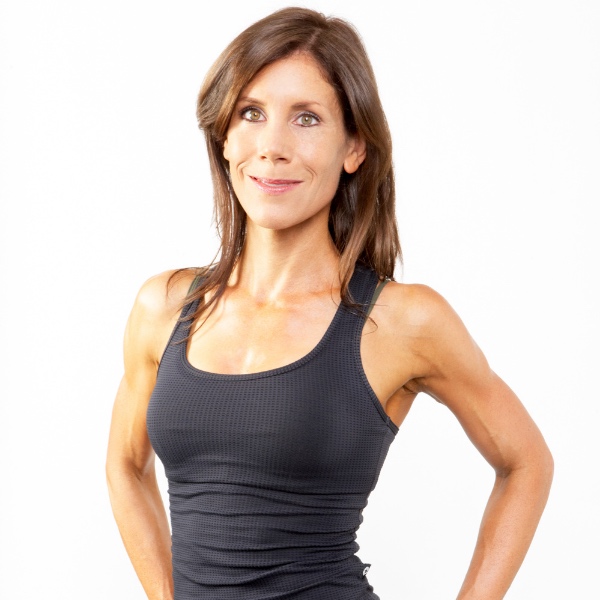
@kate-galli-8835
I help vegans & vegans-at-heart feel fit, strong & confident in a plant-powered body and lifestyle they love — aligned with their heart. 🌱💚
Active 57m ago
Joined Nov 13, 2025
Australia