Activity
Mon
Wed
Fri
Sun
Aug
Sep
Oct
Nov
Dec
Jan
Feb
Mar
Apr
May
Jun
Jul
What is this?
Less
More
Owned by Alistair
HIKE4evolution™ Neuro Somatic Embodiment. Awareness. Breathwork. Mindfulness. Get your mental health back. Optimize function. Become Exceptional.
Clinicians. Mental Health. Licensed. Pre-licensed. Burnout Recovery and Prevention. Continuing Education-CE. Independent Study. Community. Let's Go.
Memberships
Synthesizer Scaling
283 members • $1,950/month
Freedom and Consequences
3 members • Free
𝙒𝙊𝙍𝙇𝘿 𝙏𝙊𝙐𝙍 🌎
197 members • Free
GOOSIFY: Skool Made Fun
13.1k members • Free
Skoolers
165.7k members • Free
121 contributions to Therapists of Skool

🔥
2d •
Happy Monday!
I'm thinking about stress. As usual. Events over the weekend sounded bleak and I can imagine the stress that is occurring because of said events. Everywhere. I'm thinking about relief. And I'm thinking about earlier times in my life that looked bleak when I had very little skill in self-regulation, and great emotional dysregulation. Kind of like the world today. Yikes. I'm thinking how do we teach masses of people to become aware and recognize stress and learn that Stress isn’t the only problem. Stress is going to happen. It just does. But, unprocessed activation build up over time and becomes residue which then becomes trickier to resolve. Most of us don’t become overwhelmed because life is “too much.” We struggle because our nervous system regularly does not complete the stress cycle. We’ve over-indexed on cognitive insight, and healing is not a "thinking thing". Thinking helps us choose and discern. But insight doesn’t discharge activation. I love the story Dr. Scaer tells in his book "The Body Bears the Burden" about the possum who freezes then gets up and shakes all over to discharge energy then just saunters off, emergency avoided. A question I ask my clients: Where are you still trying to think your way out of this? And then I remind, and teach, and encourage them to get their bodies more actively involved in their healing process. Being friends with our bodies helps us move through what needs to be metabolized-addressed, discharged- somatically. If you're already attuned to this universal wisdom, what is one way you move through tension and stress beyond thinking "I should do something here."
2
0


9d •
Closure
Many people spend years waiting for closure. An explanation. An apology. An answer. Sometimes those things never come. Part of healing can involve learning how to move forward without them. 👉 What does closure mean to you? 📬 Subscribe & Fly: https://share.google/Y6AG3nxg44F4GjfGi ℹ️ Educational purposes only. Not a substitute for therapy or professional mental health care.
🔥
1 like • 5d
I love to teach my clients about endings. And I like to start by saying, "not everyone can do them" and sometimes people ghost but learning how to let go it a great skill to have.
16d •
A Hard Chapter doesn't Mean a Bad Ending
If you judged a book by one difficult chapter, you'd never know how the story ends. Life works the same way. A difficult chapter doesn't mean you've failed. It doesn't mean things will always feel this way. Keep reading. 👉 What helps you keep going when life feels heavy? 📬 Subscribe & Fly: https://share.google/Y6AG3nxg44F4GjfGi ℹ️ Educational purposes only. Not a substitute for therapy or professional mental health care.
🔥
1 like • 11d
I'm a firm believer in HOPE and positive mind-set. It's hard to keep me down, but I do get affected when a lot is going on at once!
🔥
18d •
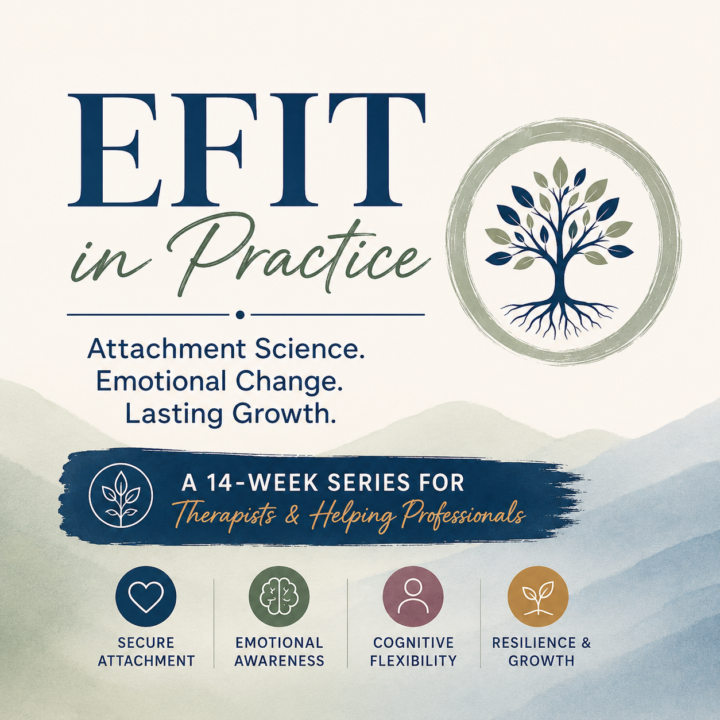
EFIT in the classroom, a free course for clinicians...
Hey everyone...check-out Lilyan's course in our classroom. EFT is a strategy I respect a lot. I love how it's a simple to learn strategy that can help circumvent stress when it's happening, but can also help resolve residual stuff, as well. You can access the free course here. Remember to mark your progress by clicking the green check mark ✅. Enjoy! p.s. Anyone else have a tidbit to share in the classroom? I'd love for it to be a resource for us all.
🔥
0 likes • 15d
@Lilyan Fowler I'll check it out!!
16d •
Fly Free Friday 🕊️
As we wrap up this week's theme, here's your reminder: Some seasons are for blooming. Some seasons are for surviving. Neither lasts forever. If all you've done this week is keep going, that counts too. 💜 What's one thing you're proud of yourself for this week? 📬 Subscribe & Fly: https://share.google/Y6AG3nxg44F4GjfGi ℹ️ Educational purposes only. Not a substitute for therapy or professional mental health care.
🔥
1 like • 15d
Fly free Saturday, too! Hmmmm there's so much going on and I'm trying to sense into what I'm proud of most...not a feeling I am consciously aware of "pride" but I got a bunch of flowers in the ground that were started from seed and are now big enough for the grownup garden . Good luck to them!!
1-10 of 121
🔥
@alistair-m-hawkes
LPC. Clinicians and High Achievers. Nervous System Regulation. Somatic Psychology. Embodiment. Lean in to Ancient wisdom + Modern Science. Denver IRL
Active 7h ago
Joined Dec 5, 2025
ENFP
Colorado
Powered by