Activity
Mon
Wed
Fri
Sun
Aug
Sep
Oct
Nov
Dec
Jan
Feb
Mar
Apr
May
Jun
Jul
What is this?
Less
More
Owned by Jim
Oasis Builders helps busy families grow healthy food, herbs for medicine, and gain calm confidence for everyday readiness.
Memberships
Faith & Flowers
16 members • Free
30 contributions to April Joy Wellness

🔥
13d •
What herbal teas do you reach for when the heat gets heavy?
When the summer heat settles in, especially with high humidity, I start thinking differently about herbs. Hot weather is not just about thirst. It can leave the body feeling drained, heavy, dry, sluggish, or overheated. That is when a simple tea can become part of the daily rhythm, not as a quick fix, but as one more way to support the body while we slow down, hydrate, and pay attention. Some people like cooling teas like mint, lemon balm, hibiscus, or rosehips. Others lean toward mineral-rich teas like nettle, oatstraw, raspberry leaf, or alfalfa. Some like moistening herbs like linden or marshmallow root when the heat feels drying. Others keep it simple with whatever grows close to the kitchen door. I am curious what everyone here actually uses. When the heat gets hot, what kind of herbal tea do you usually reach for? What is your go-to summer tea, and do you drink it hot, chilled, or room temperature?
Poll
4 members have voted
🔥
2 likes • 6d
@Mary-Heather Fajardo My daughter big on raspberries but still working on her drink tea with me...
🔥
1 like • 3d
@Mary-Heather Fajardo someone mentioned hibiscus and spearmint for a cold summer tea... I'm going to try this week... they said that make a concentrated mix for the frog and then dilute as they drink it... we will see how it goes... plan to try a little Himalayan salt with it for electrolytes.

7d •
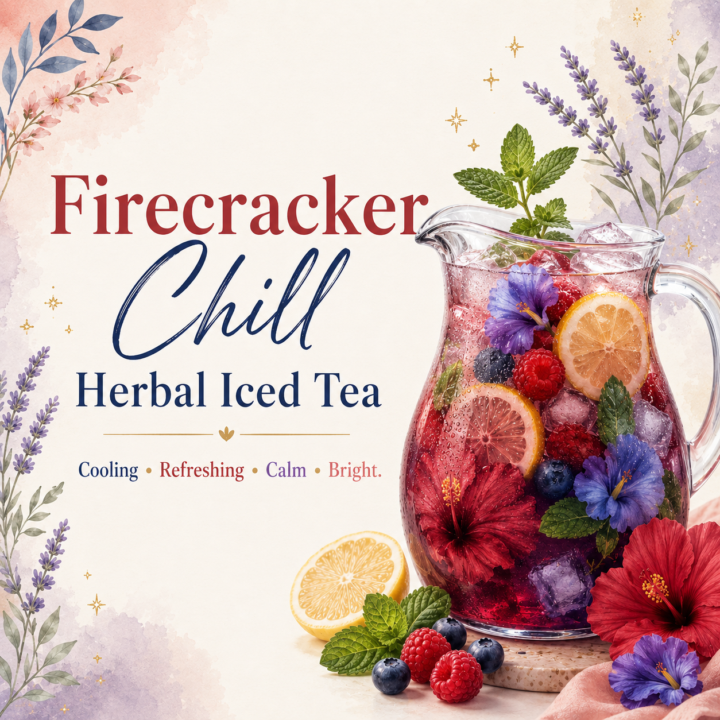
Firecracker Chill Herbal Iced Tea
🇺🇸🌿 Firecracker Chill Herbal Iced Tea I usually share one tea blend a week, but since it’s the 4th of July, I thought we needed a little extra sip of something refreshing. This Firecracker Chill Herbal Iced Tea is cool, bright, and perfect for a hot summer holiday. It has that beautiful blend of: 🌺 Hibiscus 🌿 Lemon balm 🌱 Mint 🍊 Orange peel 💙 Butterfly pea flower 🍓 Berries 🍋 Lemon slices You can make it as an iced tea, pour it over ice, add fresh berries and lemon, or even top it with sparkling water for a fun little herbal mocktail moment. It’s refreshing, colorful, and a sweet way to bring a little calm into all the holiday noise. For educational purposes only. Herbs can interact with medications or health conditions, so always check with a qualified healthcare provider if you’re pregnant, nursing, taking medication, or managing a medical condition. If you try this blend, let me know how you like it! April Joy 💜🌹 Stay positive and kind.
🔥
2 likes • 6d
@Mary-Heather Fajardo little sweeter I think but at my age I am always thinking about the heart so I mix with Hawthorn berry which balances the sweet some... I will have to just make some billberry sometime just to see how sweet it is...
🔥
2 likes • 6d
@Mary-Heather Fajardo :-)
May 26 •
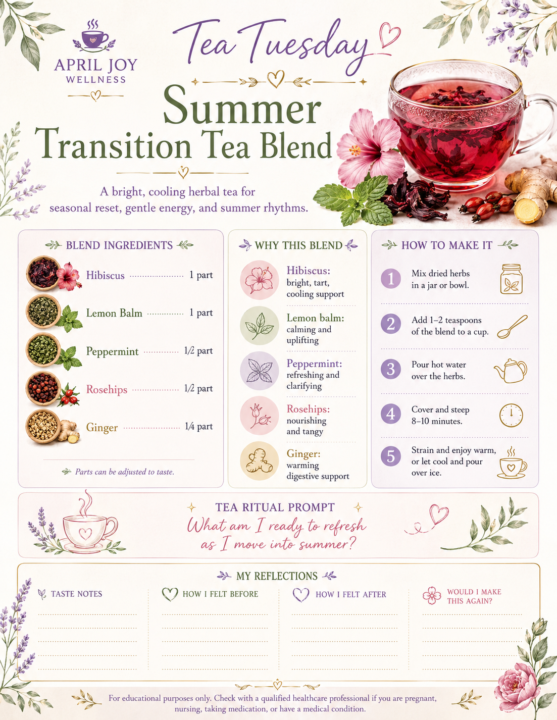
Tea Tuesday: Summer Transition Tea Blend 🌿🫖
Good morning, tea friends. Today’s Tea Tuesday blend is all about gently moving from spring into summer. Not rushing. Not forcing a brand-new routine. Not pretending we suddenly have to have our whole summer figured out. Just easing into the next season with a little more intention, refreshment, and support. This week’s blend is: 𝑺𝒖𝒎𝒎𝒆𝒓 𝑻𝒓𝒂𝒏𝒔𝒊𝒕𝒊𝒐𝒏 𝑻𝒆𝒂 𝑩𝒍𝒆𝒏𝒅 A bright, cooling herbal tea for seasonal reset, gentle energy, and summer rhythms. 𝗧𝗵𝗶𝘀 𝗯𝗹𝗲𝗻𝗱 𝗶𝗻𝗰𝗹𝘂𝗱𝗲𝘀 𝑯𝒊𝒃𝒊𝒔𝒄𝒖𝒔— bright, tart, cooling, and traditionally used to support the body during warm weather 𝑳𝒆𝒎𝒐𝒏 𝒃𝒂𝒍𝒎 — calming, uplifting, and traditionally used to support the nervous system and emotional balance 𝑷𝒆𝒑𝒑𝒆𝒓𝒎𝒊𝒏𝒕 — refreshing, cooling, and traditionally used to support digestion and mental clarity 𝑹𝒐𝒔𝒆𝒉𝒊𝒑𝒔 — tangy, nourishing, and rich in natural plant compounds that support everyday wellness 𝑮𝒊𝒏𝒈𝒆𝒓 — warming, comforting, and traditionally used to support digestion and circulation I love this blend because it has a beautiful balance. The hibiscus and peppermint bring that cool, refreshing summer feeling. The lemon balm adds calm and softness. The rosehips bring brightness and nourishment. And the ginger adds just a little warmth so the blend does not feel too cold or flat. It is lovely warm, but honestly, this one is made for iced tea season. Simple blend idea - 1 part hibiscus - 1 part lemon balm - ½ part peppermint - ½ part rosehips - ¼ part ginger How to make it Add 1–2 teaspoons of the blend to a cup. Pour hot water over the herbs. Cover and steep for 8–10 minutes. Strain and enjoy warm, or let it cool and pour over ice. For iced tea, you can also make a larger batch and keep it in the fridge. 𝗧𝗲𝗮 𝗿𝗶𝘁𝘂𝗮𝗹 𝗾𝘂𝗲𝘀𝘁𝗶𝗼𝗻: Before you sip, ask yourself 𝒲𝒽𝒶𝓉 𝒶𝓂 ℐ 𝓇ℯ𝒶𝒹𝓎 𝓉ℴ 𝓇ℯ𝒻𝓇ℯ𝓈𝒽 𝒶𝓈 ℐ 𝓂ℴ𝓋ℯ 𝒾𝓃𝓉ℴ 𝓈𝓊𝓂𝓂ℯ𝓇? Maybe it’s your morning rhythm. Maybe it’s your self-care. Maybe it’s your meals. Maybe it’s your mindset. Maybe it’s simply giving yourself permission to slow down and enjoy the season. This week, we’re focusing on celebration and transition — honoring what we’ve made it through and gently preparing for what’s next.
🔥
5 likes • May 26
@April Johnson I have found for me, I put a little less hibiscus than recipes usually call for... it can quickly take over if not careful although have acquired a taste for it. We talk about herbs appearing in the garden when we need them the most, I wonder if our taste buds accept different flavors when we need that tea or flavor.
May 4 •
Monday Mindfulness - Where Did You Find Presence Today?
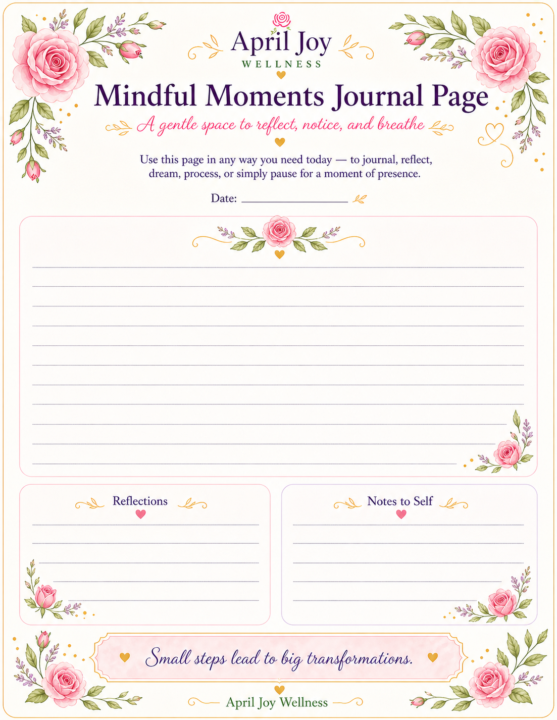
Sweet friends, Monday is winding down... 🌅 Mindfulness isn't about perfection—it's about noticing. Those small moments when you're truly present: feeling the warmth of your tea, hearing the birds outside, or simply breathing without rushing. 𝗪𝗵𝗲𝗿𝗲 𝗱𝗶𝗱 𝘆𝗼𝘂 𝗳𝗶𝗻𝗱 𝗽𝗿𝗲𝘀𝗲𝗻𝗰𝗲 𝘁𝗼𝗱𝗮𝘆? Maybe it was: 🌿 Washing dishes with full attention 🫖 Sipping your morning tea mindfully 💚 Taking a deep breath between tasks 📖 Pausing to really listen to someone 🌟 𝐍𝐄𝐖 𝐌𝐢𝐧𝐝𝐟𝐮𝐥 𝐌𝐨𝐦𝐞𝐧𝐭𝐬 𝐉𝐨𝐮𝐫𝐧𝐚𝐥 𝐏𝐚𝐠𝐞! I've created a simple journal page to help you capture these precious moments. You can find it in our 𝗦𝘁𝗮𝗿𝘁 𝗛𝗲𝗿𝗲 section of the classroom (it may move soon as we're renovating our space!). I'll also attach it to every evening post to make it easy for you to find. Where will you record your mindful moments this week? Sweet dreams, beautiful soul. 𝓐𝓹𝓻𝓲𝓵 𝓙𝓸𝔂 💜🌹 Stay positive and kind.
🔥
2 likes • May 4
Ok I'm a little wierd. I found presence in building a compost pile today.
May 4 •
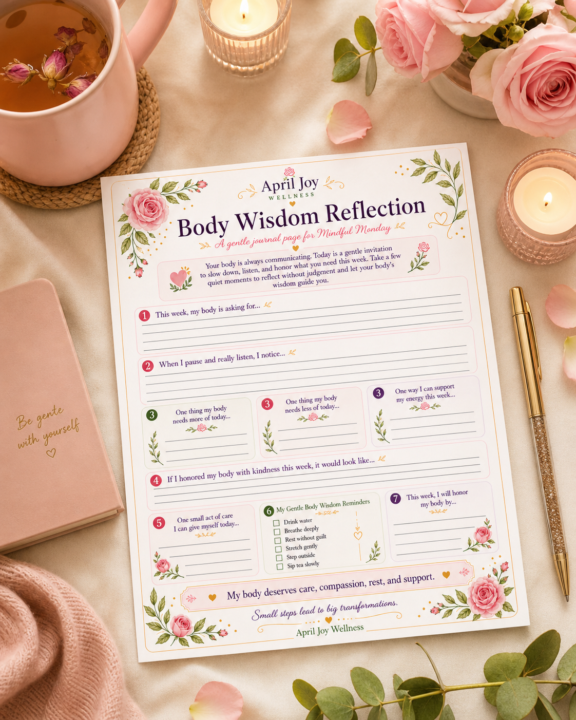
What's one small thing your body is asking for this week?
We talk a lot about what we should do for our wellness. But what if we paused and asked: 𝙒𝙝𝙖𝙩 𝙙𝙤𝙚𝙨 𝙢𝙮 𝙗𝙤𝙙𝙮 𝙖𝙘𝙩𝙪𝙖𝙡𝙡𝙮 𝙣𝙚𝙚𝙙 𝙧𝙞𝙜𝙝𝙩 𝙣𝙤𝙬? Your body is wise. It's always communicating. Sometimes it's asking for rest. Sometimes it's asking for movement. Sometimes it's asking for nourishment, connection, or simply to be heard. This week, I want you to get quiet for just a moment and listen. 𝗝𝗼𝘂𝗿𝗻𝗮𝗹 𝗣𝗿𝗼𝗺𝗽𝘁 Take 2 minutes and write about this: "𝙏𝙝𝙞𝙨 𝙬𝙚𝙚𝙠, 𝙢𝙮 𝙗𝙤𝙙𝙮 𝙞𝙨 𝙖𝙨𝙠𝙞𝙣𝙜 𝙛𝙤𝙧..." Don't overthink it. Don't make it complicated. Just listen and write what comes. 𝗠𝗮𝘆𝗯𝗲 𝗶𝘁'𝘀: "My body is asking for more water and less caffeine." "My body is asking for a 10-minute walk in the sunshine." "My body is asking for permission to rest without guilt." "My body is asking for a warm cup of tea and five minutes of quiet." Whatever it is, that's your answer. That's your wellness focus for this week. Share one thing your body is asking for this week. (You don't have to share the whole journal entry—just one sentence is perfect.) Let's create a space where we're all listening to our bodies together. Your body's wisdom matters. Your needs matter. And honoring them—even in small ways—is an act of profound self-love. You've got this, friend. 💚
🔥
2 likes • May 4
Less food
1-10 of 30
🔥
@james-flach-4044
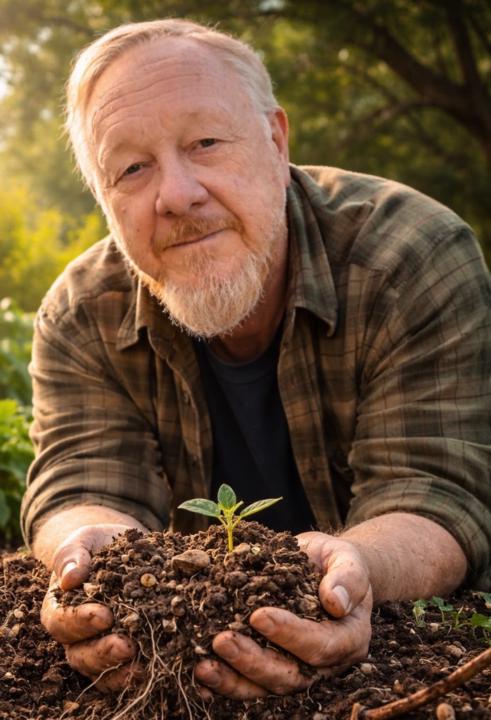
Off-grid dad turned healthcare builder and disaster planner, now sharing calm, practical ways to grow food, use herbs, and build family readiness.
Active 11h ago
Joined Nov 28, 2025
ENTP
Cookeville, TN 38506