Activity
Mon
Wed
Fri
Sun
Aug
Sep
Oct
Nov
Dec
Jan
Feb
Mar
Apr
May
Jun
Jul
What is this?
Less
More
Memberships
Fiverr Mastery Hub
200 members • $7/month
ABA Clubhouse
3.4k members • Free
The Skoolers Library
105 members • Free
Skool FRIENDS
15 members • Free
🇺🇸 New York IRL
323 members • Free
Research Paper Mastery
8.5k members • Free
MEN's Dating ACADEMY ⭐️ 3x🏆
1.8k members • Free
GenXers En-JOY 🤗 WISE Life
39 members • $7/month
Road Life with Dogs
19 members • Free
10 contributions to Real Men Real Style Community
Oct '25 •
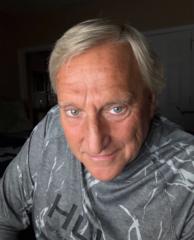
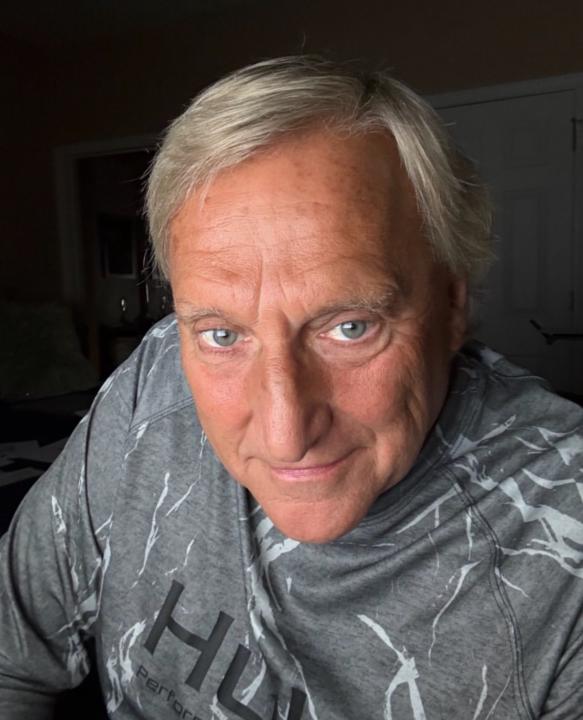
Haircut
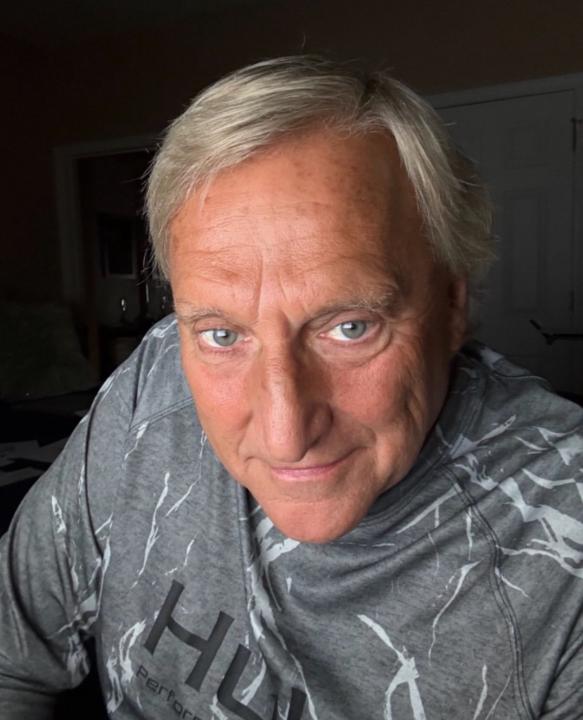
Do I look better with my haircut, I’m thinking of trimming it down . What do you think guys?
1 like • Oct '25
@Julio Gutierrez oh really

Oct '25 •
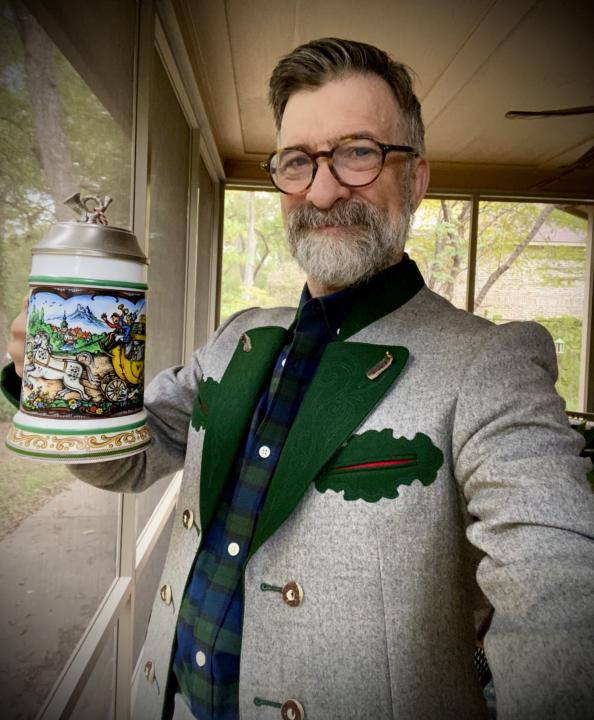
Guten Morgen, meine schönen Herren
This afternoon my wife and I will be attending the Tulsa Octoberfest. It is one of the largest in the USA. I am wearing my deceased father in law’s tyrolean suit. Herr Seigfried Egon Ballul awarded it much more authenticity than I however. Since my ancestory is more alpine than his coming from the alpine Germanic speaking part of Switzerland then I feel completely comfortable wearing this traditional garb. (When the temps reach mid 80s today I may eat these words). My son and daughter in law were the pic of the article in the recent Oklahoma magazine. My first trip to Germany was our honeymoon in 1985 staying with my wife’s aunts and uncles. We finally quit bringing steins back after visiting every 36 months of our first 15 years of marriage including living in Europe after my completion of grad school. PROST! Gentlemen https://okmag.com/blog/the-fall-festival/
7 likes • Oct '25
That’s great
Oct '25 •
Y Knot
For today’s outfit I chose a fun tie. My Book of Kells tie by Patrick Francis worn with a white poplin shirt, my favorite 1997 MTM Royal blue blazer, tan w blue silk pocket square, black RL linen trousers, black argyle socks, black J Fitzpatrick captoes and 1940s Bulova watch. My tie is very long and so my go to knot, the Prince Albert helps immensely with dialing in the length. But beyond the OOTD I thought I might blather on about the withering use of the ubiquitous tie. For this community this (like my snoozy dissertations about the navy blazer) might be another episode of preaching to the choir so for your sake stop here and look at pics and move on 😉. I completely understand. But for the guy who doesn’t wear a tie frequently but is curious about it, here we go. For the better part of the past 500 years men have worn some type of adornment around their neck. (In fact one could go all the way back thousands of years to the Egyptians to find men wearing scarves.) but the modern tie can trace its origins back to the very early 17th century. By the 16th century the elite gentleman wore a ruffled collar as adornment (this was a fashion statement that, like so many items of perpetual style, was born out of a piece of mocking neck protection from swords.) During the thirty year war that established the Nation State in Europe (1618-1648) King Louis XIII hired Croatian mercenaries who wore a silk scarf tied around their necks. From the word Croatian came the term Cravat . While the cravat still is worn by a few, the common neck tie we wear today was birthed out of this fashion affectation. In the 1920s a type of die cut weave on a 45 degree angle gave us the striped tie we know today (see Langford in the attached article) https://hespokestyle.com/mens-necktie-history-and-evolution/?srsltid=AfmBOoofu_X8M2sT2b5L_cbFpp8C26ZqYuJMQUL-Q1r-3NcUc6h0QTRK

4 likes • Oct '25
You look Gorgeous Man
2 likes • Oct '25
@Brian McGuire you’re Welcome , you look good with your glasses on
Oct '25 •
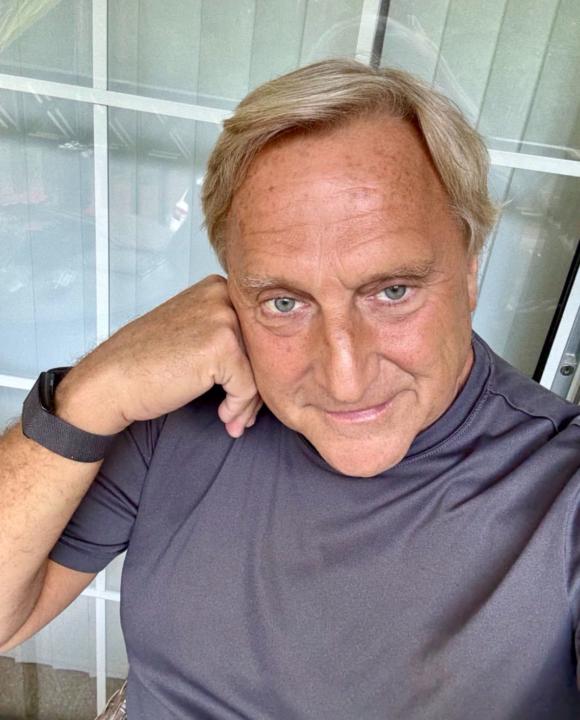
Vibe Check .. Rate my Style 😊
Bet I’m adapting to the Real Men Community and it’s been great so far , Thanks to the real ones .. How do I look friends??
2 likes • Oct '25
@Dave Hodge Thanks Dave
1 like • Oct '25
@Jon Johnson okay Noted I will do that next time I share a picture here .
Oct '25 •
Gratitude
Hey friends 👋, Thanks for welcoming me into this community, at first I thought i couldn’t fit in this community, didn’t got response when i comment and I felt less important not until i started getting some welcome messages from y’all . Hope to make some Real friends in this Real men Community 🎉
3 likes • Oct '25
@Arthur McCarthy Appreciate you being a Real Man
1 like • Oct '25
@Peter Carlsen thanks , I’m glad too
1-10 of 10
Active 235d ago
Joined Oct 7, 2025
Raleigh NC
Powered by