
Dec '25 (edited) • Planning & Pre-Lift Failures
Ground Failure and Outrigger Settlement
Incident Overview
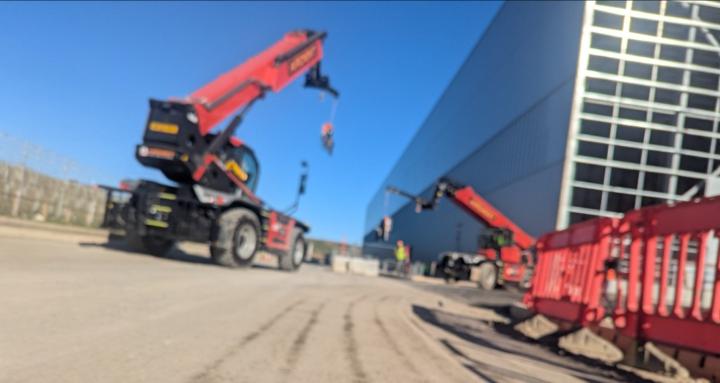
A mobile crane was set up to lift mechanical plant onto a concrete structure. The ground appeared
firm and level during initial setup, and standard outrigger mats were installed beneath each outrigger.
What Went Wrong
During the lift, one outrigger began to settle, causing a noticeable tilt in the crane. The ground bearing
capacity had not been properly assessed, and underground services and previously disturbed ground
were later identified beneath the outrigger position.
Key Lessons Learned
- Ground conditions are as critical as crane capacity
- Visual inspection alone is insufficient to assess ground bearing capacity
- Outrigger mats must be sized to suit imposed loads
- Any sign of settlement requires an immediate stop
Safety Recommendations
Ground bearing pressure calculations must be completed before crane setup. Outrigger mats should
be selected based on actual imposed loads, and the lift must stop immediately if any movement or
settlement is observed.
●LOLER: Reg 4 (stability), Reg 8
●PUWER: Reg 4, Reg 5
●BS 7121: Part 1 (planning/control), Part 2 (mobile cranes – setup/ground support/outrigger loading)
0
0 comments
Ground Failure and Outrigger Settlement
powered by
skool.com/wolf-lifting-dynamics-9548
This community shares real lifting case studies, consultancy insights, and site-proven lessons covering cranes, supervision, planning, and execution.
Suggested communities
Powered by