
Write something
21d •
5-Minute Boil - Crawl and Walk - NO Run
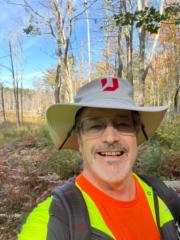
Collected birch bark and spruce kindling, prepared some birch wood chips and curls, and readied the Migizi Wanderer Stove. I had two cups of water and needed 1 and 1/2 cups for rehydrating the Mountain House meal. If you’re going to boil water, make coffee or food, one or the other. I shaved some magnesium dust from the block with the Migizi Companion and collected it on a piece of birch bark and some birch curls. I need practice with the magnesium because I had trouble keeping it under control. I sparked the pile with the included ferro rod using the Companion. It quickly caught the birch bark and curls which I used to get the stove going. I poured one cup of water into the canteen cup, SRO SS, and just as it was about to boil - I knocked it off the stove onto the plywood and delay of lunch. I replaced the water, made more chips, and boiled it again. Made and ate lunch. I set up the hammock and tarp just for exercise. Practice points: Magnesium dust control, size of the fuel for the stove, control of a canteen cup. The spilled boiling water could have been much more serious and control of the stove and canteen cup is critical. It was also a waste of materials and time. I need to get the fuel size and firing of the stove down. I tend to try to use fuel chips that are too small and starve it of air too large and beyond the capabilities of the stove. I find I have to tend it constantly - that may be the nature of the beast. Good thing today was not a timed event. I got fire with the appointed tools. I boiled water and ate lunch. Probably an hour late by my wife’s estimate. I was outside in the sun, thinking about results and using tools I carry. OK - Having fun.

Mar 26 •
Weekly Challenge - Week March 22-28 - Unsupported Shelter
I spent a couple hours this afternoon working the shelter challenge I posted earlier this week. While working on the unsupported plow-point shelter it became that a ridgeline needed to be tensioned. The best knot proved to be the time honored truckers hitch. At least for the diamond. The 25’ ridgeline was too short for the tarp tent. I was able to apply a marlinspike hitch to tension the system. These two shelters took about an hour and one-half. Starting from a place of no staged material, it is going to take multiple repetitions to bring the time down to a reasonable time. Unsupported shelter configuration is important to me because when hiking or working in the woods, when are you going to find two perfect trees, with the correct spacing and orientation. Unsupported configuration gets around both of these limitations. Tension and original placement are critical. Questions? Pointers?! Thank you.
0
0

Mar 20 •
Week March 16-20 Personal Challenge
See the Challenge for the Training Primer. The execution followed the primer pretty well. Where I set up the shelter it was on partially frozen ground. Much better than a week ago. The piece of wood that I selected was too much for knife alone. Well at least for me. Two hatchets came out of dry storage for the event. I split the piece of well seasoned birch cord wood from my cold storage. I don’t think the wood was frozen. After splitting it down, I made chips with the Council Tool carving hatchet and also with the Fiskars hatchet. I carved some curls with the Migizi Bushcraft / Survival Knife. The Migizi Wanderer Stove was kindled with birch bark and curlers, lit with one windproof match. The stove really liked the curls as compared with the chips, although as coals developed the chips burned pretty well. It took from 2:50 to 3:09 PM to boil water. Now my experience with a trig stove is limited to this and one prior kindle. Observations: Really look at the one stick before you start and make sure you are carrying the appropriate tools, carve twice as many curls as tinder / small kindling as they burn much better than chips, remember that the small stove still needs air just like any other fire. Dah. My goodness this is fun.
0
0

Mar 15 •
Personal Challenge - Shelter / Fire / Lunch
The shoulder season between winter and spring is tough. Can’t enjoy winter activities and not ready for spring hikes and activities. So I wrote my own shoulder season challenge. Training Primer: Supported Shelter, flint & steel natural tinder and kindling fire kindle, and cook lunch over the fire. AAR: The right hand support of my shelter area has been dead and of concern. After I set up a simple supported lean-to shelter with a preconfigured rapid ridgeline and succeeded in placing the black plastic tent stakes, I cut off the widowmaker with an arborist saw. Before that I kindled a fire with flint & steel using local grass, flower tops, and birch bark. The char cloth was a cooked cotton round from previous outings. The platform that was built for previous scenarios was frozen solid and gave the fire a very hard time. Extra kindling and some split hardwood did the trick and although late, cooked my lunch. I counted on the wood platform from the past exercise to get the fire off the ground. Part of the days mission was to clean up the mess from the winter. That will have to wait and probably be a rake and shovel job. This will probably be the last fire on the snow for this year.

Mar 13 •
Just wondering if you guys would watch this at me know what I could have done differently
https://youtu.be/LMgID3wONzE?si=E1x7_UYoD8y7gkaM
1-14 of 14
powered by
skool.com/wilderness-mastery-school-3134
Wilderness Mastery School: Green Beret-led survival training. Fire, shelter, water, navigation, first aid. Weekly challenges.
Suggested communities
Powered by