
7d • General discussion
Your Spleen May Be Small, but Its Role Is Powerful
The spleen is a soft, fist-sized organ located beneath the ribs on the upper-left side of the abdomen. Although people can live without it, the spleen plays several important roles in keeping the blood and immune system functioning properly.
Important facts about the spleen:
***It filters your blood.
The spleen identifies and removes aging, damaged, or abnormal red blood cells.
***It supports immune defense.
It helps recognize germs circulating in the bloodstream and supports the immune response against infection.
***It helps recycle iron.
When old red blood cells are broken down, the spleen helps recover materials the body can reuse.
***It stores blood components.
The spleen can hold red blood cells and platelets, which are important for oxygen delivery and normal clotting.
***It monitors what is happening in the blood.
Its specialized immune tissues help detect blood-borne pathogens and activate protective immune cells.
The spleen is especially important for protection against certain serious bacterial infections. People without a functioning spleen may require additional vaccinations and specific medical precautions.
How can you help protect your spleen?
• Eat a balanced, nutrient-rich diet
• Maintain a healthy weight
• Exercise regularly and safely
• Limit excessive alcohol consumption
• Manage conditions affecting the liver, blood, or immune system
• Wear protective equipment during contact sports
• Avoid activities that could injure an enlarged spleen
• Attend routine medical checkups
• Seek medical advice for persistent or unexplained symptoms
There is no special cleanse that can directly “detox” the spleen. Supporting your overall blood, immune, digestive, and liver health is a more responsible way to care for it.
Possible signs of an enlarged or injured spleen include discomfort beneath the left ribs, feeling full after eating only a small amount, unusual fatigue, frequent infections, easy bruising, or bleeding. An enlarged spleen may sometimes produce no symptoms, so persistent concerns should be medically evaluated.
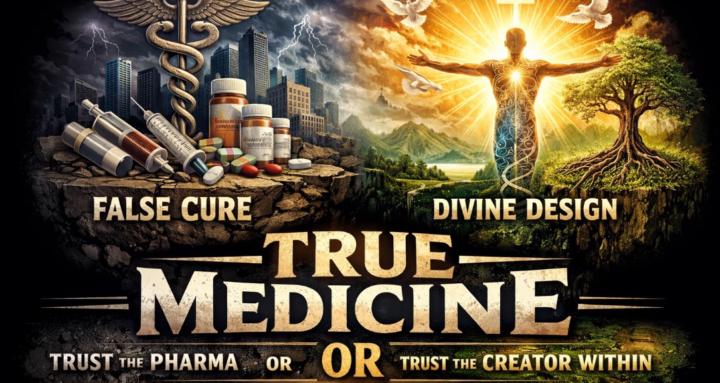
True Medicine asks a deeper question:
Instead of only trying to silence a symptom, what could the body be communicating about immune health, circulation, nutrition, stress, inflammation, or another underlying imbalance?
Every organ contributes to the whole. Caring for your body means listening early, supporting it consistently, and seeking appropriate care when something does not feel right.
For more information about the True Medicine approach, contact Chena Anderson:
Text or call: +1 417-827-2561
Email: chena.anderson@icloud.com
0
0 comments
Your Spleen May Be Small, but Its Role Is Powerful
powered by
skool.com/true-medicine-3260
Revelation of Innate intelligence or the human body -contradicting big pharma and modern medicines hypothesis that we need their "magic" to heal.
Suggested communities
Powered by