
3d (edited) • General discussion
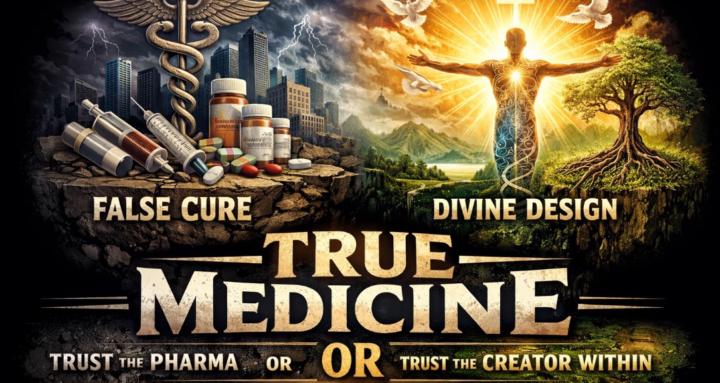
Fallacy #2 The Fallacy of One Drug, One Disease
Why Reductionist Medicine Fails a Complex Human Body
Modern medicine has long operated under a comforting but deeply flawed assumption:for every disease, there is a single pharmaceutical solution.
This “one drug, one disease” model is tidy, profitable, and easy to standardize but it is fundamentally incompatible with how the human body actually works.
Human physiology is not a linear machine with isolated parts. It is an adaptive, self-regulating, multi-layered network and science has been telling us this for decades.
Where the Fallacy Comes From: Reductionism
The one-drug model arises from reductionist biology, a framework that attempts to isolate a single variable, pathway, or molecule and treat it as the cause of disease.
This approach works well for:
- Acute infections (e.g., antibiotics for bacterial pneumonia)
- Nutrient deficiencies with a single cause (e.g., vitamin C deficiency and scurvy)
- Emergency medicine and trauma care
But it fails profoundly in chronic, inflammatory, autoimmune, neurological, metabolic, and degenerative conditions the very diseases that dominate modern healthcare.
What the Science Actually Shows
1. Humans Are Complex Adaptive Systems
Biology is governed by systems biology, not linear cause-and-effect.
Research in systems biology demonstrates that:
- Cells communicate through interconnected signaling networks
- One intervention affects multiple pathways simultaneously
- Feedback loops often override single-target interventions
A drug designed to “block” one receptor or enzyme frequently causes downstream compensations elsewhere in the body often leading to side effects, diminishing returns, or new symptoms.
Key insight: You cannot change one node in a biological network without affecting the entire system.
2. Multi-Organ Interactions Drive Disease
Most chronic diseases are not organ-specific, even when symptoms appear localized.
Examples:
- Depression involves the gut, immune system, hormones, mitochondria, and nervous system
- Diabetes involves the liver, pancreas, muscle, adipose tissue, gut microbiome, and brain
- Autoimmune diseases involve immune regulation, intestinal permeability, stress signaling, and nutrient status.
Large-scale studies show that targeting a single organ or pathway rarely produces lasting resolution unless systemic drivers are addressed.
3. Chronic Disease Is Multifactorial by Nature
Peer-reviewed research consistently identifies multiple contributors to disease expression, including:
- Lifestyle factors (sleep, movement, circadian rhythm)
- Nutrition and micronutrient status
- Environmental exposures (toxins, endocrine disruptors, heavy metals)
- Psychological stress and unresolved trauma
- Gut microbiome diversity and integrity
- Epigenetic regulation (how genes are turned on or off)
Pharmaceuticals do not address:
- Nutrient depletion
- Nervous system dysregulation
- Chronic stress signaling
- Environmental toxic load
- Loss of physiological resilience
Yet these are often the root drivers of dysfunction.
4. Drugs Treat Pathways, Not Causes.
Most medications work by:
- Blocking enzymes
- Suppressing receptors
- Inhibiting signaling molecules
- Replacing hormones or neurotransmitters
This may reduce symptoms, but it rarely restores the body’s capacity to self-regulate.
In many cases, long-term pharmaceutical use is associated with:
- Compensatory pathway upregulation
- Tolerance and dose escalation
- Secondary nutrient depletion
- Increased all-cause morbidity in polypharmacy populations
This is not speculation it is documented extensively in pharmacology and geriatric medicine literature.
The Cost of the Fallacy
The one-drug model has contributed to:
- Rising chronic disease despite increased drug availability
- Polypharmacy as standard care
- Symptom management replacing true healing
- A healthcare system focused on suppression, not restoration
If the model worked as promised, we would be healthier with each generation. Instead, chronic disease prevalence continues to rise.
A More Accurate Model: Adaptive, Intelligent Design
The body is not broken, it is responding.
Symptoms are not enemies; they are signals:
- Inflammation signals imbalance
- Pain signals overload or injury
- Fatigue signals resource depletion
- Anxiety signals nervous system threat
True medicine asks:
What is the body adapting to and why?
Healing occurs not by overriding the body, but by supporting its innate intelligence through:
- Nutrient sufficiency
- Nervous system regulation
- Environmental load reduction
- Metabolic and mitochondrial support
- Restored communication between systems
The belief in one drug for one disease is not just outdated—it is scientifically indefensible for chronic illness.
Modern research confirms what traditional and integrative systems have long known:
Health emerges from balance, communication, and adaptability, not suppression.
The future of medicine is not more drugs. It is deeper understanding of the system as a whole.
Remember you are designed to heal. Trust the Blueprint!
2
3 comments
Fallacy #2 The Fallacy of One Drug, One Disease
powered by
skool.com/true-medicine-3260
Revelation of Innate intelligence or the human body -contradicting big pharma and modern medicines hypothesis that we need their "magic" to heal.
Suggested communities
Powered by