
14h • General discussion
Birth Control Implants: Understanding the Potential Long-Term Consequences
Birth control implants have become one of the most widely promoted forms of long-acting reversible contraception. Devices such as Nexplanon are inserted beneath the skin of the upper arm and continuously release synthetic hormones designed to suppress ovulation and prevent pregnancy for several years.
For many women, implants offer convenience and highly effective pregnancy prevention. However, informed consent requires understanding not only the benefits but also the potential short-term and long-term consequences associated with prolonged hormonal manipulation.
***How Birth Control Implants Work
Most contraceptive implants release a synthetic progestin called etonogestrel. This hormone works by:
-Preventing ovulation
-Thickening cervical mucus
-Altering the uterine lining
-Modifying normal hormonal signaling between the brain and ovaries
Unlike natural progesterone produced by the body, synthetic progestins do not perfectly mimic the actions of endogenous hormones and may interact differently with hormone receptors throughout the body.
***Menstrual Disruption
One of the most common consequences of implant use is disruption of normal menstrual patterns.
Women frequently experience:
-Irregular bleeding
-Prolonged bleeding episodes
-Spotting between cycles
-Complete absence of menstruation (amenorrhea)
While many practitioners reassure patients that the absence of a period is harmless, menstruation has traditionally been viewed as a valuable indicator of hormonal health and reproductive function.
***Mood and Mental Health Effects
Hormone receptors exist throughout the brain.
Studies have associated hormonal contraceptive use with increased rates of:
-Depression
-Anxiety
-Mood instability
-Irritability
-Reduced emotional resilience
Some women notice little change, while others report profound alterations in mood, motivation, and overall emotional well-being.
Individuals with a prior history of depression or anxiety may be particularly susceptible.
***Weight Gain and Metabolic Changes
Although research findings vary, many women report:
-Weight gain
-Increased fluid retention
-Changes in body composition
-Increased appetite
Hormonal contraceptives may influence insulin sensitivity and glucose regulation, potentially affecting long-term metabolic health.
Women already struggling with obesity, insulin resistance, or metabolic syndrome may experience greater challenges while using hormonal contraception.
***Impact on Nutrient Status
Hormonal contraceptives have been associated with depletion of several nutrients including:
-Vitamin B6
-Vitamin B12
-Folate
-Magnesium
-Zinc
-Selenium
-Vitamin C
Deficiencies in these nutrients may contribute to:
-Fatigue
-Mood disturbances
-Reduced energy production
-Impaired detoxification
-Immune dysfunction
Nutrient depletion often develops gradually and may go unrecognized.
***Bone Health Considerations
While implant data are somewhat mixed, prolonged suppression of normal ovarian function raises questions regarding bone metabolism.
Hormones play a significant role in:
-Bone remodeling
-Calcium utilization
-Osteoblast activity
Adolescents and young women are of particular concern because these years are critical for achieving peak bone mass.
Any intervention that alters hormonal signaling during these years warrants careful consideration.
***Sexual Health Changes
Women using implants may experience:
-Reduced libido
-Vaginal dryness
-Changes in sexual responsiveness
-Difficulty achieving orgasm
Hormonal contraception can influence testosterone availability and alter the hormonal balance that contributes to healthy sexual function.
***Cardiovascular Risks
Birth control implants generally carry lower clotting risks than combined estrogen-containing contraceptives.
However, hormonal manipulation still affects:
-Blood vessel function
-Inflammatory signaling
-Lipid metabolism
Women with additional risk factors such as:
-Smoking
-Obesity
-Hypertension
-Diabetes
Family history of clotting disorders should discuss these concerns with their healthcare provider.
***Fertility Recovery After Removal
Many women successfully conceive after implant removal.
However, some report:
-Delayed return of regular cycles
-Hormonal irregularities
-Persistent menstrual dysfunction
Recovery varies significantly from person to person and may depend on underlying health conditions that existed before implant placement.
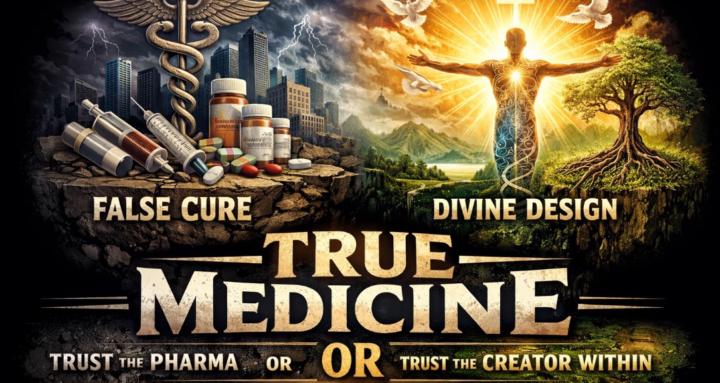
***A True Medicine Perspective
From a True Medicine viewpoint, an important question is often overlooked:
Why does the body need hormonal suppression in the first place?
Rather than focusing solely on pregnancy prevention, a deeper evaluation may explore:
-Hormonal balance
-Liver function
-Nutritional status
-Stress physiology
-Inflammatory burden
-Thyroid health
-Adrenal resilience
-Metabolic function
When symptoms such as painful periods, irregular cycles, acne, mood swings, or heavy bleeding arise, suppressing the body's hormonal communication may reduce symptoms while leaving underlying causes unresolved.
The body often speaks through symptoms. While birth control implants may silence those signals, they do not necessarily address the biological imbalances that created them.
***Final Thoughts
Birth control implants offer effective contraception and may be appropriate for some women. However, every medical intervention carries tradeoffs.
Women deserve complete information regarding:
-Hormonal effects
-Nutrient depletion
-Mental health changes
-Metabolic consequences
-Sexual health impacts
-Potential long-term physiological effects
True informed consent requires understanding both the benefits and the risks.
The healthiest decision is one made with a full understanding of how a treatment may affect not only fertility, but the entire body over time.
0
0 comments
Birth Control Implants: Understanding the Potential Long-Term Consequences
powered by
skool.com/true-medicine-3260
Revelation of Innate intelligence or the human body -contradicting big pharma and modern medicines hypothesis that we need their "magic" to heal.
Suggested communities
Powered by