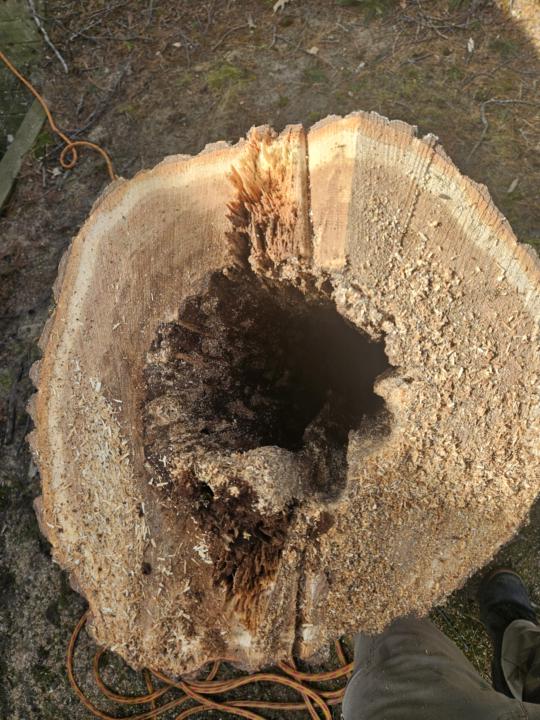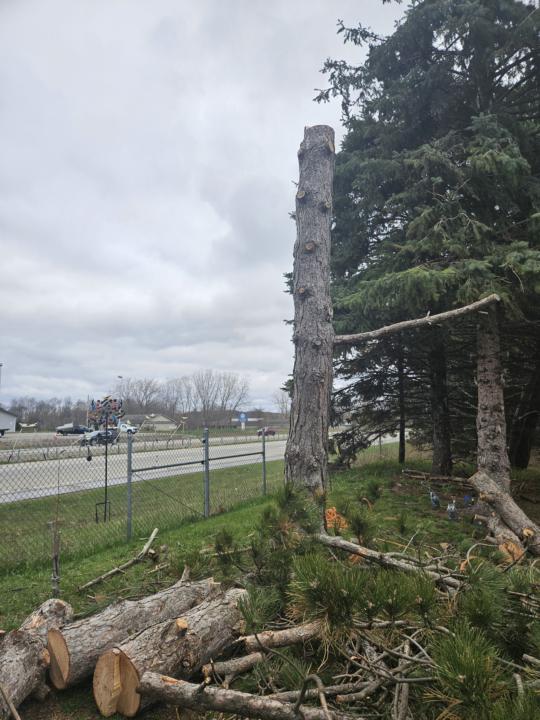
The "Golden Rules" of Safety The 3-Point Rule: Always maintain three points of contact with the tree (e.g., two hands and one foot, or two feet and one hand) while moving. Move only one limb at a time. Never Trust Dead Wood: If a branch has no leaves (in season), missing bark, or fungi growing on it, assume it will break under your weight. Check the Weather: Avoid climbing in high winds, rain (slippery bark), or if there is lightning nearby. Ground Inspection: Before ascending, circle the tree to look for hornets' nests, poison ivy, or power lines touching the canopy. 2. Identifying a Safe Tree Best Species for Beginners: Look for hardwoods with strong, broad branching structures like Oak, Maple, or Sycamore. Trees to Avoid: Brittle Wood: Willows, Poplars, and Bradford Pears often break unexpectedly. Dead/Dying Trees: Look for cracks in the trunk, deep cavities, or heaving roots at the base. Pine Trees: Can be messy with sap and often have brittle dead branches lower down. 3. Gear & Equipment (Technical Climbing) No Spikes: Never use climbing spikes (gaffs) on a live tree unless you are removing it. Spikes puncture the cambium layer and can kill the tree. Helmet is Mandatory: A falling branch the size of a finger can cause serious injury from height. Static vs. Dynamic Rope: Use static ropes (low stretch) for tree climbing. Rock climbing ropes (dynamic) are too stretchy and make ascending difficult and dangerous in a tree context. Cambium Saver: Use a friction saver or rope sleeve where your rope passes over a branch to prevent burning the bark and damaging your rope. 4. Essential Knots Bowline: The "King of Knots" for anchoring; it is secure but easy to untie after being weighted. Figure-8 Loop: A standard, non-slip loop for attaching the rope to your harness. Blake’s Hitch: A classic friction knot used by tree climbers to ascend and descend on a rope. Prusik Knot: A friction hitch used as a backup brake or for ascending. 5. Etiquette & Legalities