Activity
Mon
Wed
Fri
Sun
Jan
Feb
Mar
Apr
May
Jun
Jul
Aug
Sep
Oct
Nov
What is this?
Less
More

Owned by Samuel

TJ
Tree job's

6 members • $1/m

Networking and skill sharing platform for tree workers aspiring and skilled alike.

TH
The how to channel

1 member • Free

Memberships

AI Automation Society

203.7k members • Free

Kourse (Free)

114.8k members • Free

System855

63 members • Free

Skoolers

179.4k members • Free

96 contributions to Tree job's
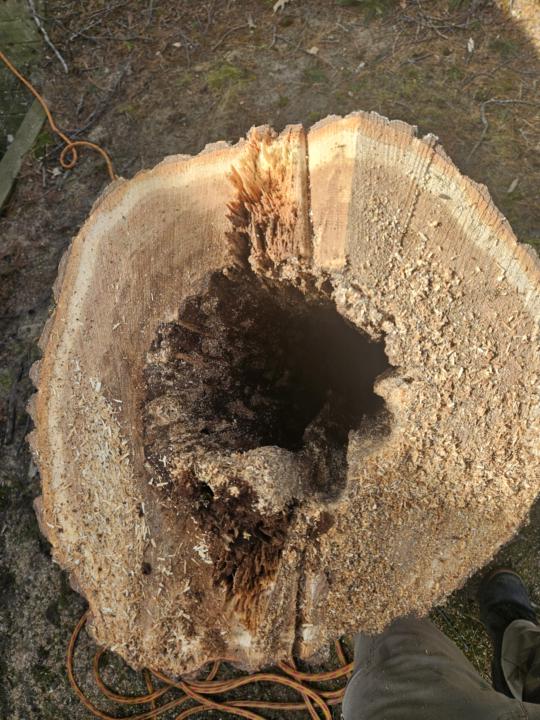
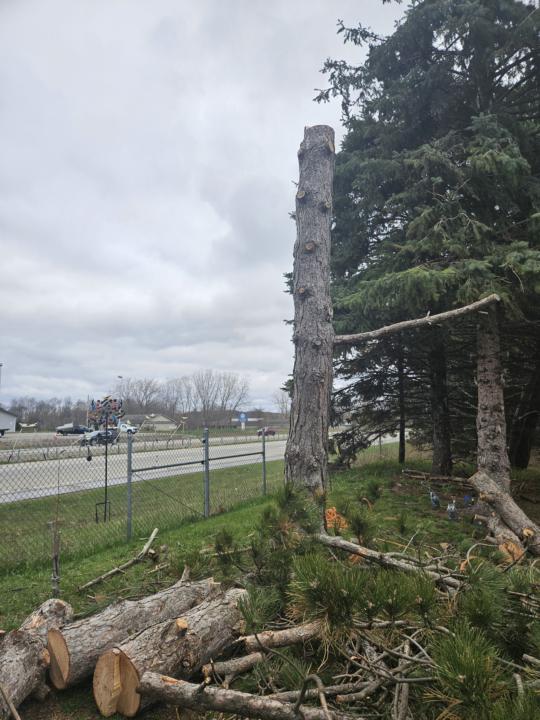
Easy white birch on lake mi northern mi
Rigged my life line from the bucket trees was compromised in the middle. We could only get the top bucket couldn't go down any further due to the house .
0
0
Easy white birch on lake mi northern mi
Oak trim
Trim the lower limbs on this will be my Thursday.
0
0
Oak trim
Just some random tips
The "Golden Rules" of Safety ​The 3-Point Rule: Always maintain three points of contact with the tree (e.g., two hands and one foot, or two feet and one hand) while moving. Move only one limb at a time. ​Never Trust Dead Wood: If a branch has no leaves (in season), missing bark, or fungi growing on it, assume it will break under your weight. ​Check the Weather: Avoid climbing in high winds, rain (slippery bark), or if there is lightning nearby. ​Ground Inspection: Before ascending, circle the tree to look for hornets' nests, poison ivy, or power lines touching the canopy. ​2. Identifying a Safe Tree ​Best Species for Beginners: Look for hardwoods with strong, broad branching structures like Oak, Maple, or Sycamore. ​Trees to Avoid: ​Brittle Wood: Willows, Poplars, and Bradford Pears often break unexpectedly. ​Dead/Dying Trees: Look for cracks in the trunk, deep cavities, or heaving roots at the base. ​Pine Trees: Can be messy with sap and often have brittle dead branches lower down. ​3. Gear & Equipment (Technical Climbing) ​No Spikes: Never use climbing spikes (gaffs) on a live tree unless you are removing it. Spikes puncture the cambium layer and can kill the tree. ​Helmet is Mandatory: A falling branch the size of a finger can cause serious injury from height. ​Static vs. Dynamic Rope: Use static ropes (low stretch) for tree climbing. Rock climbing ropes (dynamic) are too stretchy and make ascending difficult and dangerous in a tree context. ​Cambium Saver: Use a friction saver or rope sleeve where your rope passes over a branch to prevent burning the bark and damaging your rope. ​4. Essential Knots ​Bowline: The "King of Knots" for anchoring; it is secure but easy to untie after being weighted. ​Figure-8 Loop: A standard, non-slip loop for attaching the rope to your harness. ​Blake’s Hitch: A classic friction knot used by tree climbers to ascend and descend on a rope. ​Prusik Knot: A friction hitch used as a backup brake or for ascending. ​5. Etiquette & Legalities
0
0
Favorite rope?
To climb with using hitch climbing?
0
0
1-10 of 96
Samuel Hambley
4
36points to level up
@samuel-hambley-2538
Teaching new climbers foundational skills , connecting them with seasoned pros creates a network, enabling real-world learning and career growth.

Active 4d ago
Joined Aug 4, 2025
Michigan