
Write something

2d •
7/16 – Market Update: Inflation Down - BTC/ETH Up - Time to buy?
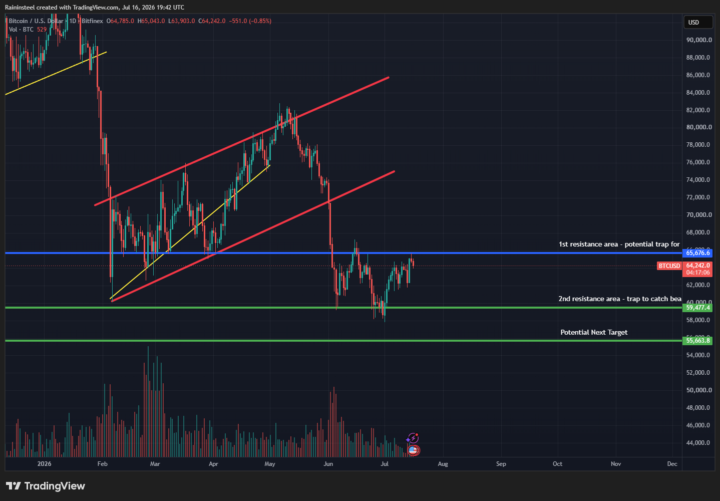
- BTC: ~$64,000 (the price of one Bitcoin, up on the good news) - ETH: ~$1,900 (the price of one Ethereum, quietly outrunning Bitcoin lately) - 30 year mortgage: ~6.6% (what a regular person pays to borrow for a house, still stuck high) Quick one this week, because honestly the story kind of tells itself. The inflation number we've been waiting on for months finally cooled off, and it cooled off harder than pretty much anyone expected, which is exactly the direction we said things would head once oil started coming back down. But (and you knew there was a but coming) the timing on it is rough, because that cool number is from June, and the Iran war reignited right at the start of July, which means the exact thing that pulled prices down last month could turn around and shove them right back up this month. So we take the win, we enjoy it, and we keep one eye open while we do. Because with this war, anything can happen. Here's what actually came out: - Inflation (CPI): 3.5%, down from 4.2% (how fast prices climbed over the past year, and it's finally slowing) - Core inflation: 2.6% (same idea, just ignoring gas and food since those two bounce around too much to trust) - Prices last month: down 0.4% (the biggest one month drop in about six years) - Gas: down 9.7% (basically the whole reason the number cooled) - Fed rate: still 3.5% to 3.75% (unchanged again, still no cut, and Warsh made clear he's in no rush and said he will not cut even if that's what Trump wants - but honestly I think he's just allowing things to happen that will lead to cuts anyway. Chart Update: Price is still tracking in that channel we talked about ranging from 65k down to potentially 59k. We're still dollar cost averaging by buying a little every week. Nothing big just waiting for our timeline to continue. --------------------- New Members ----------------------- If you just found us, pretty much everything we talk about each week fits inside one story, a chain of events we laid out months ago that tends to play out in order. Once you can see the whole map, it gets a lot easier to understand why we keep saying now is a fine time to be buying slowly instead of waiting around for perfect news. So here's the sequence, start to finish.
0
0
10d •
7/8 – Market Update: The Iran War is Back. What It Means for You.
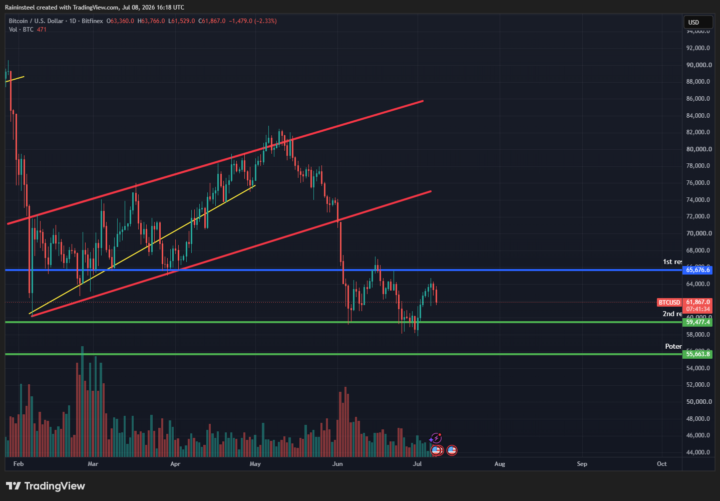
- BTC: ~$62,000 (down ~2% today) - ETH: ~$1,740 (down ~2%) - 30 year fixed mortgage: ~6.6% (ticked up this week) Last week we got the good news we'd been waiting on. The job market finally started showing cracks, which is the thing we've said for months would eventually start pushing the Fed toward cutting rates. This week we got a gut punch we didn't see coming though that really hurt our view. Iran blew up the peace deal. So let me be straight about our own calls, because that honesty is the whole point of these updates. We did say the war would probably drag on longer than most people expected, maybe into 2027. That part is playing out. But we also thought this particular deal would hold, because it was a genuinely good deal for Iran. Them torching it caught us off guard because it was sooo good for them. So let's get into that. ____________________ Why this shocked us...... Look at what Iran walked away from. The deal handed them $300 billion to rebuild, lifted the sanctions strangling their economy, and let their oil flow and earn again. The IRGC could have stayed in power and ruled Iran untouched. The main thing they had to give up was the nuclear weapon. They said no. That tells you something heavy. They want the bomb more than they want their own economy and country to flourish. Crazy. Which means this probably escalates before it gets better. ____________________ What it means for your money..... Iran attacked ships in the Strait of Hormuz, the narrow stretch of water where about a fifth of the world's oil passes through. The US struck back. Oil jumped about 5%. When oil climbs, everything costs more to make and move, so the fear of inflation comes right back. Here's why I'm adding mortgage rates to these updates. Watch what the 30 year mortgage did this week. It climbed to around 6.6%. A war on the other side of the world just made it more expensive for a regular family here to buy a house. I hope this help to show how connected all this is.
16d •
7/2 – Market Update: Weak Jobs. The 1st crack. BTC/ETH UP!
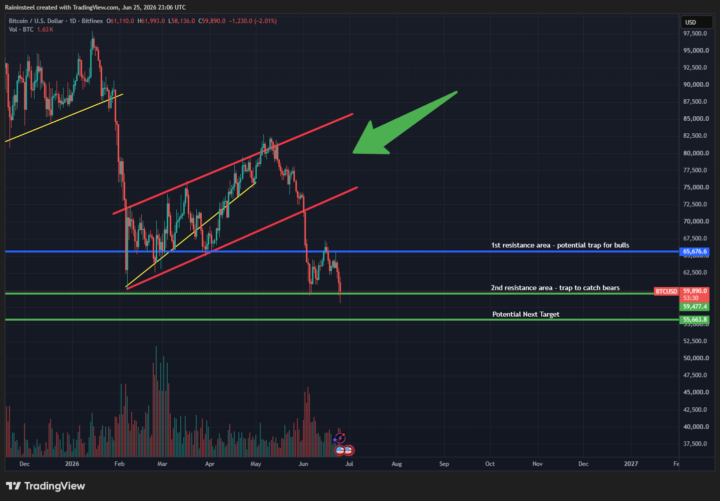
- BTC: ~$61,900 (up ~4% today) - ETH: ~$1,710 (up ~7% today) The June jobs report came out this morning and it was weak. Normally weak news like that scares the market and drags Bitcoin down. Today it did the opposite, and Bitcoin climbed all day. If you've been with us since April, you know why that matters. This is the moment we've been describing for months, where bad news for the economy starts becoming good news for crypto. Remember - THIS IS WHY WE SAID LETS WAIT FOR JULY! I've purposely left the green arrow in place in every chart picture because now we're here. Sooooo let's break it down! ________________________________________ The jobs number looked fine on the surface. The economy added only 57,000 jobs in June. Experts expected almost double that. And the last two months got quietly revised lower. So hiring is slowing down more than the headlines let on. Here's the tricky part. The unemployment rate actually dropped to 4.2%, which sounds great. But it dropped for a bad reason. Hundreds of thousands of people simply stopped looking for work, and when you stop looking, you don't get counted as unemployed. So the number looks healthy while real life keeps getting harder for people. That's the squeeze on everyday families we've been warning about since April, finally showing up in the data. ________________________________________ Why Bitcoin went up instead of down. The moment that weak report hit, the market lowered its bets that the Fed will raise interest rates. When rate hikes look less likely, money flows back toward riskier things like stocks and crypto. So Bitcoin climbed. This is the engine we keep pointing to. Bitcoin moves the second people start believing cheaper money is coming. It doesn't need the Fed to actually cut first. That belief just got its first real spark in months. ________________________________________ Warsh played his part. Kevin Warsh, the new head of the Fed, spoke at a big banking event this week. His message stayed simple: prices are still too high, and he plans to bring them down.
1
0

23d •
6/25 - Market Update: Inflation HOT, but its all noise. Follow the Dollar.
Everything we've been talking about is showing up so today's market update will be short and sweet but with something new we've never talked about before. We expected this chop. We expected inflation to stay sticky and resolve over the next few months. But today's news on inflation scared the market and down we went. So let's get into it! BTC - $59,900 ETH - $1,566 _________________________________ Inflation: The numbers came in hot today. PCE inflation metric came in at 4.1% the highest since April 2023. Scaring the market and basically rising everyone's worry of a rate hike, but we expected sticky inflation, the problem is that it came in hotter than expected. Iran War is solved, but is it really solved? The deal almost fell apart at the last second once again. I think even though it's "solved" on paper, the market is still skittish. Core PCE is at 3.4% - this is important because it's inflation WITHOUT energy and food. Meaning technically you would expect this to be lower because oil and food have been driving inflation metrics up, but we got the opposite. It's actually going up. Why? Because this AI build out of data centers are driving up costs for consumer products like PCs, smart phones and other products. So the market basically read this and thinks inflation will actually stay elevated even longer than expected. This is something that we haven't talked about and is important because it's what actually making it hard for the Fed to cut rates and it's actually making it easier for them to hike. So will they? We do not think so. We expect the Fed to hold rates at the next meeting again. We've talked about this before but the consumer is saving less and spending more, not because they want to but because they have to. If they hike rates, they risk squeezing the consumer even more. So the sequence of events is still the same. We expect inflation to cool down over the next few months but this does add a big wrinkle to the timeline more than anything else.
Jun 18 •
6/18 - Market Update: Iran Deal Done. Clarity Act Coming. What's next?
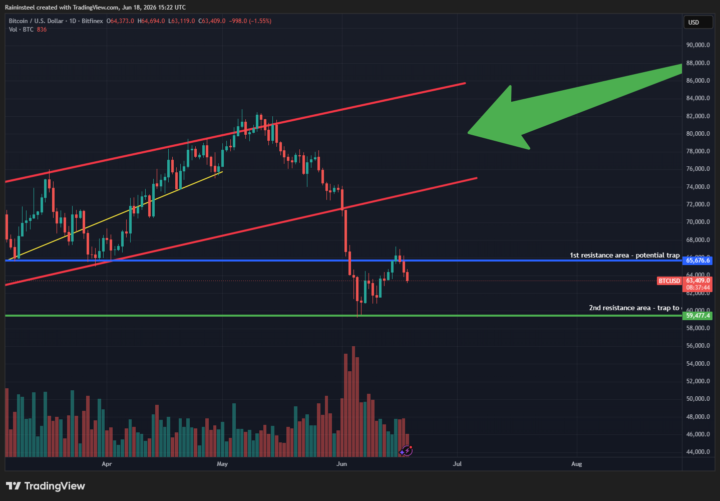
BTC: ~$63,900 ETH: ~$1,730 Big Events to tackle this week: - Peace in Iran - Let the oil flow baby (we called it). - Kevin Warsh told the markets to "figure it out yourselves" - hahaha. Good boy. - BTC continues the up/down chop. - Still in the range. We expected this. - Clarity Act - Passing/Signing on July 4th! - Dollar Getting stronger - Bad for BTC but expected this summer. Everything is moving fast just like we called but we're not out of the woods yet so here's my breakdown of how we're holding up so far and where we are going. __________________________________________________ Update on our thesis and our calls: We've been tracking 3 conditions since April for a real rally to start: #1 Iran War Resolution - Called it. The formal peace signing is tomorrow, June 19, in Switzerland. We said Trump would eventually give Iran a face-saving exit. That's exactly what played out. Oil has already started cooling toward $75/barrel, the domino we've been waiting on for months. This deal is too good for Iran to mess it up. I think it will stick this time more than not. #2 CLARITY Act Still pending, now targeting a July 4 White House signing. We said summer catalyst. We're in the window for this to happen - it will pump crypto markets temporarily. #3 DXY (Dollar Strength Index) We flagged this one as something to watch closely and we said the dollar would likely stay elevated or push higher because US oil companies were becoming the world's primary supplier with the Strait of Hormuz constrained. That played out. The dollar broke above 100 this week, hitting a 1-year high. No surprise. The dollar stays hard to get when there are no rate cuts and the world still needs US oil. We don't see this reversing until there's actual liquidity relief, which to be honest isn't coming soon (Q4). ✅ The Summer Chop Called it in April. Bitcoin ranging between roughly $60k and $68k this summer, exactly the frustrating sideways grind we described. We warned against chasing the May rally. We said $63k to $66k was the danger zone. Expect another potential rally if Clarity Act passes. Don't chase.
1
0
1-30 of 51
powered by

skool.com/the-school-of-bits-4553
Everything you need to learn about bitcoin, crypto and investing fundamentals with lessons you'll remember forever.
Suggested communities
Powered by