

🔥
6d •
So much Rain, So much Hail
We've had soooo much rain this season that everything is drowning. Potatoes are starting to rot int he ground, all our brassicas died a week ago, our peas and beans are likely to get murdered witht he hail we are getting as I type this... Any one else having an off or otherwise Absurd growing season this year? Post your luck or misfortune in the comments...

🔥
Jun 1 •
The Basic Gardening Tools Every Beginner Actually Needs
A lot of people quit gardening before they even get started because they think they need a shed full of expensive gear. Truth is, most backyard gardens were built for decades with a handful of simple tools, some stubbornness, and a willingness to get dirt under your fingernails. You don’t need to look like a landscape contractor to grow tomatoes. If you’re starting out, focus on tools that save your back, survive abuse, and do more than one job. Cheap gimmicks from the garden center usually end up buried behind the lawnmower by July. Here’s the basic toolkit that’ll handle probably 90% of what a beginner gardener runs into. The Hand Tools You'll Use Constantly These are the tools you’ll grab almost every time you head outside. Hand Trowel If gardening had a pocketknife, this would be it. A solid hand trowel is ideal for transplanting flowers, digging small holes, loosening soil, pulling weeds, and mixing fertilizer into pots. You’ll use it constantly. Prairie clay soil, like what many people tend to have, doesn’t care about marketing slogans. Skip the flimsy plastic ones. Get a metal trowel with a comfortable handle and full tang construction if possible. Full tang construction just means that the trowel blade and the handle are one single piece with a handle over top. This is versus a trowel blade with a nub jammed into a wood or plastic handle that can break off. Hand Pruners Every beginner eventually realizes plants don’t magically manage themselves. Good hand pruners are worth every penny. You’ll use them for trimming dead branches, harvesting vegetables, cutting flowers, and keeping plants from turning into an overgrown jungle. Bypass pruners are usually the better choice for live plants because they cut cleaner. Get the best you can afford, cheap pruners tend to fail right when you’re halfway through a job and already irritated. Garden Gloves Some people garden bare-handed. Those people either enjoy pain or don’t grow raspberries. A decent pair of gloves protects against thorns, splinters, blisters, bug bites, and whatever mystery creature is living under your mulch pile.
🔥
May 24 •
from Boxpring to trellis...
Just a quick project I did to turn this box spring from a bed into a trellis. The photos are left to right in the order of the steps. The video hijacked the order lol. I started by stripping back the cloth covering and the padding as shown in the first photo. I then identified all the supporting braces shown in the second photo. Then I grabbed my Angle grinder with a cutoff wheel ( because I didn't have a hacksaw that would fit in the spaces consistently) and cut all the wire supports as close to the frame wiring as possible, as shown in photos 3 and 4 Once all those were cut off, I was left with the wire frame, which can be used as a trellis, as you can see in photo 5, which I'll admit isn't the greatest...
0
0

🔥
May 13 •
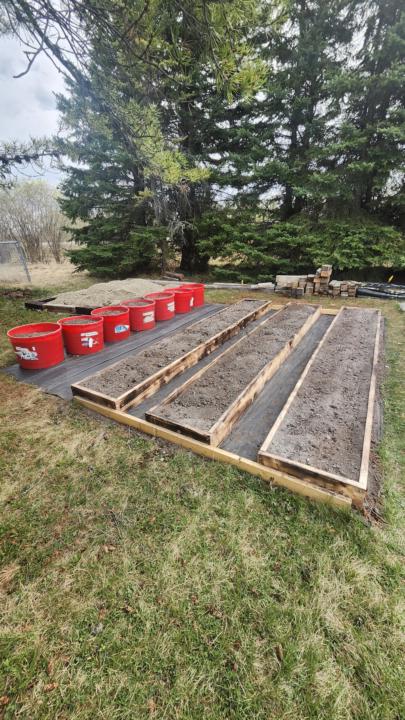
New beds are done and ready for seeding!
Finally gotbthe beds done and filled with topsoil, a wee bit clay for water retention, peatmoss and ashes from the woodstove. The beds are simply 2x8 planks that have basic corner joinery and then burned with a tiger torch to slow weathering and rot. p.s. don't mind the mess, im a packrat and i save EVERYTHING...
🔥
May 13 •
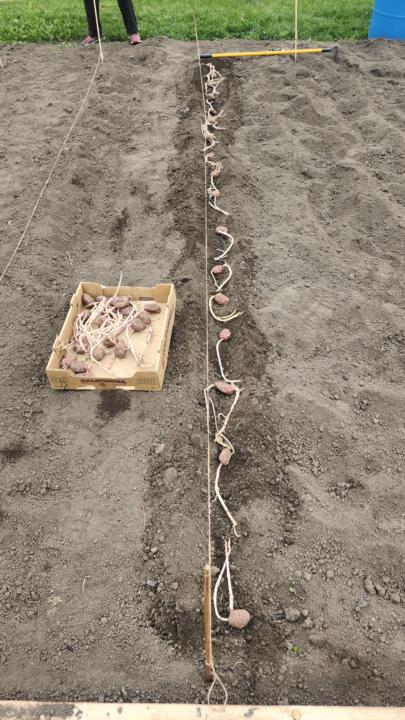
Taters is in woohoo!
We got two rows of Norland red potatoes in next to 2 rows of kenebecs. The eyes were trimmed to about 8 inches and laid the way they were as a spacing guide.
1
0
1-10 of 10
powered by
skool.com/the-pinchpenny-diyer-6725
With Pinchpenny DIY'er, we'll learn & share ways to save money through DIY. Topics include gardening, home repair, woodworking, and metal fabrication.
Suggested communities
Powered by