
5d • Foundations
Preference vs Physics
One of the most common sources of disagreement in audio discussions comes from mixing two different things together: preference and physics.
Physics describes how sound and systems behave.
It includes things like frequency response, distortion, noise, dynamic range, and how sound interacts with a room. These things can be measured and studied because they follow the laws of acoustics and electronics.
Preference is different.
Preference describes what a listener personally enjoys. Two people can listen to the same system and prefer different tonal balances, presentation styles, or listening levels. Neither person is necessarily wrong about what they like.
Problems usually appear when preference is presented as universal truth.
For example, someone might say a system is “better” because it matches their personal taste. Another listener may prefer something else entirely.
Both listeners may be responding honestly to what they hear, but they are describing different goals.
Understanding the difference between preference and physics helps conversations stay clearer and calmer.
Physics can tell us how a system behaves.
Preference determines whether we enjoy that behaviour.
A system can measure extremely well and still not suit someone’s taste.
A system can measure imperfectly and still be enjoyable to a listener.
The goal of this community is not to force everyone toward the same preferences.
The goal is to understand the behaviour of systems more clearly, and then allow listeners to decide what they enjoy.
When we separate preference from physics, discussions become less argumentative and much more useful.
0
0 comments
Preference vs Physics
powered by
skool.com/the-language-of-audio-1311
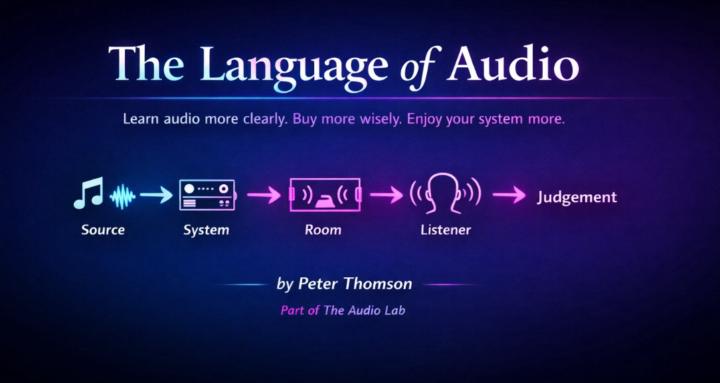
Learn audio more clearly, describe sound better, and make smarter system and buying decisions without hype, snobbery, or reviewer nonsense.
Suggested communities
Powered by