
Write something

7d •
Crowdfunding - should you consider it?
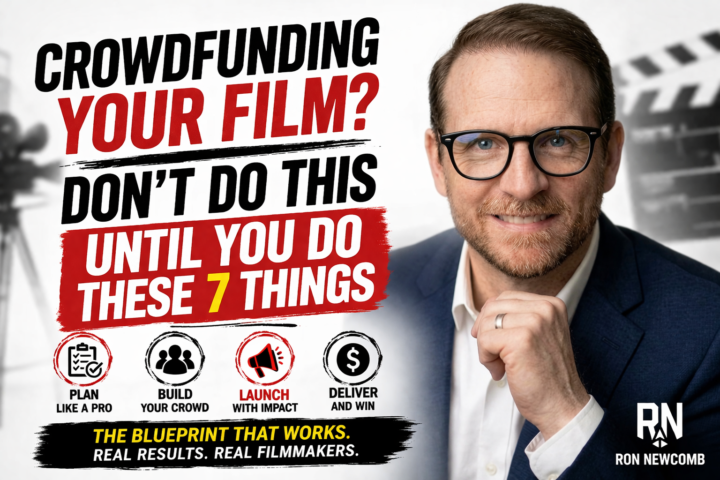
STOP launching crowdfunding campaigns that were never going to work. I’ve been there. I’ve had campaigns succeed…And I’ve had some fail. And here’s what I learned: 👉 Crowdfunding doesn’t fail at launch. 👉 It fails before you ever hit “go.” Because most filmmakers get this completely backwards. They think: “I’ll build the audience DURING the campaign.” Nope. By then… it’s already too late. I just dropped a new article breaking down: 🎬 Why most crowdfunding campaigns fail 🎬 What actually works TODAY (not 2014 advice) 🎬 The 3 phases you MUST get right 🎬 The real reason “the crowd” matters more than the money If you’re thinking about crowdfunding your film… Or you’ve tried and it didn’t work…You need to read this. https://www.linkedin.com/pulse/crowdfunding-your-film-right-way-because-most-people-do-ron-newcomb-fcqde
0
0
8d •
The Danger of Reaching a Local Maximum in Business
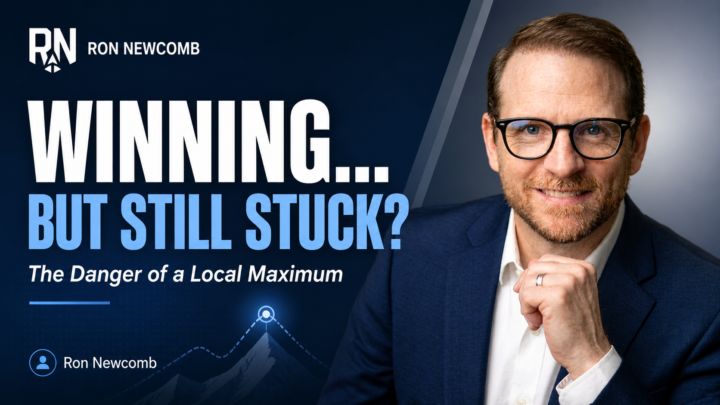
You can be winning…and still be stuck. That’s the danger of a local maximum. In business, a local maximum is when you’ve climbed to the top of the hill you’re on, but it may not be the highest mountain available to you. A lot of entrepreneurs, filmmakers, and creatives get trapped here. They improve the pitch. They improve the website. They improve the deck. They improve the sales call. They keep optimizing. But sometimes the problem is not your effort. Sometimes the problem is the model. In my latest article, I break down why success can sometimes become a trap, and why entrepreneurs need to ask whether they are scaling something with real upside or just polishing a ceiling. Read the full article on LinkedIn: https://www.linkedin.com/pulse/danger-reaching-local-maximum-business-ron-newcomb-lbxaf #Entrepreneurship #Filmmaking #IndieFilm #CreativeEntrepreneur #BusinessStrategy
0
0
8d •
Sometimes the Room Matters
Pitching in person and pitching over Zoom are not the same game. Zoom is convenient, but in person you can feel the room, read body language, build trust faster, and adjust in real time. Because at the end of the day, you’re not just pitching the project. You’re pitching you. Lindsey shares a few quick thoughts in this clip, then go deeper in the full podcast episode. Sometimes the room matters. Podcast: https://www.podbean.com/eas/pb-gigt4-1a9fb5d YouTube: https://youtu.be/G3vaRiu69Dw
0
0
13d •
Filmmaking is not a solo sport!
Filmmaking was never meant to be a solo sport. The strongest films are built through collaboration - writers, producers, directors, actors, crew, editors, investors, marketers, and audience all pulling in the same direction. Too many indie filmmakers try to carry the whole mountain alone. But the truth is, your project gets stronger when you bring the right people around the table early. Collaboration does not make your vision weaker. It gives your vision a fighting chance. Let me know: where do you think filmmakers need to collaborate more; development, financing, production, or distribution? Watch the Full Episode here: https://youtu.be/XNsR_Iyp6e4 https://www.podbean.com/eas/pb-es86c-1a84737
15d •
I need your help!
I just turned in the manuscript for Hollywood Outsider: The Step-by-Step Guide to Taking Your Movie from Idea to Screen. And then, panic. Did I cover enough? Did I make it clear enough? Did I leave out something filmmakers desperately need? The goal of this book is simple: to give independent filmmakers a practical, step-by-step guide for getting their movie made without needing permission from Hollywood. This has been 27 years in the making... BUT, I need your help! If you were picking up a book like this, I’d love to know: 1. What topics would you expect it to cover? 2. What problem would you hope it solves for you? 3. What would make you say, “This book was actually worth my time”? I genuinely want this to be as helpful, clear, and practical as possible. Please drop your thoughts below. I want to ensure I got you covered.
1-30 of 42
powered by
skool.com/the-indie-coach-6663
Where indie storytellers get unstuck, get support, and get it done.
Filmmaking | Games | Comics | Books
Suggested communities
Powered by