The I Ching Wisdom Circle
Private
44 members
Free

Welcome to The I Ching Wisdom Circle — a community where ancient wisdom meets modern life.
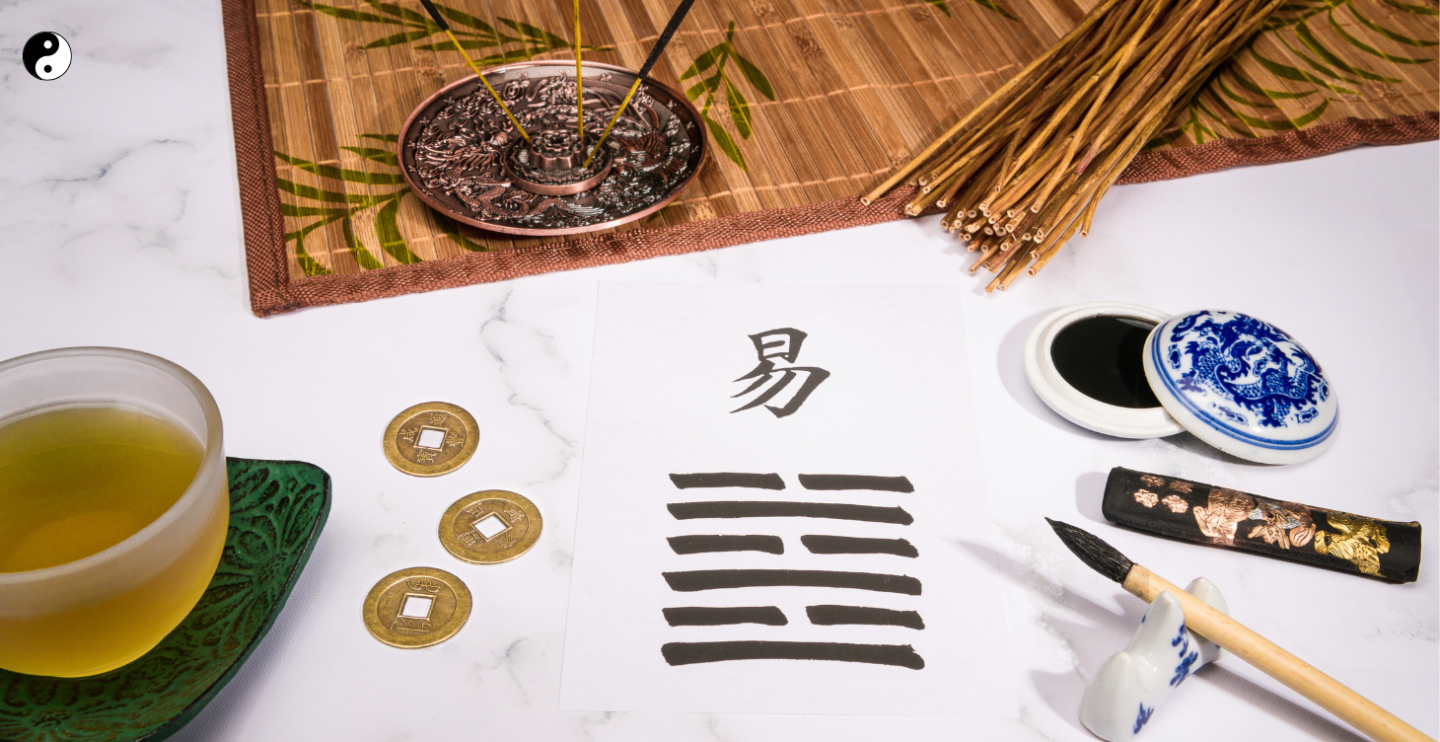
The I Ching, or Book of Changes, is over 3,000 years old. Originally used by scholars and leaders in ancient China, it teaches us to notice patterns, understand life’s rhythms, and make decisions with clarity. Carl Jung studied the I Ching and drew on it to develop his principle of synchronicity, showing how meaningful coincidences reveal inner and outer alignment. Rooted in Taoist philosophy, the I Ching helps us flow with life rather than resist it.
This group is for anyone who wants to learn how to consult the I Ching, interpret hexagrams, and apply its wisdom in work, relationships, and personal growth.
Inside, you’ll find:
- Weekly guidance to help you practice readings
- Monthly live sessions for Q&A and hexagram exploration
- Mini-courses and resources to deepen your understanding
- A supportive circle of like-minded seekers
Join us, trust your intuition and navigate challenges with confidence.
powered by
skool.com/the-i-ching-wisdom-circle-3954
Learn to consult the I Ching, interpret hexagrams, and use ancient Taoist wisdom and synchronicity to make clearer, aligned decisions in life.