Apr 22 • General discussion
The D1 recruiting process — what most families get completely wrong
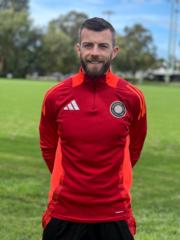
I earned a full Division 1 scholarship as a kid from Ireland with no connections in the US, no money for showcase circuits, and nobody to guide me through the process.
I figured it out the hard way.
Since then I've watched hundreds of families spend thousands of dollars on showcase events and recruiting services — most of them doing it in the wrong order, at the wrong time, targeting the wrong programmes. Not because they weren't trying hard enough. Because nobody gave them an honest map
.
Here it is.
Age 13–14: College coaches cannot contact you directly yet under NCAA rules — but you can contact them. Most families waste these two years doing nothing. Build your highlight reel. Attend ID camps at programmes you're genuinely interested in. Research which D1 programmes honestly fit your player's level and academic profile. A realistic list, not a dream list.
Age 15: September 1st of sophomore year — coaches can now contact you directly. This is the most important date in D1 recruiting and most families don't know it exists. By now you should have 15–20 realistic target programmes and you should be sending emails and video. A specific, researched email to a coach stands out immediately from the hundreds of copy-paste messages they delete without reading.
Age 16: Stop mass emailing. Build real relationships with your 5–8 realistic targets. A coach who knows your player's name before a showcase watches them completely differently to a coach seeing them cold. The showcase confirms the relationship. It doesn't create it.
Age 17: Verbal commitments happen here. Know your academic profile — GPA, test scores, intended major. A player who is a D1 prospect but an academic risk is a problem for a programme. Don't let academic unpreparedness close doors that should be open.
Age 18: Most competitive D1 programmes have already filled their classes. If your player is uncommitted here the pool has narrowed — but the door is not closed.
This is where families give up too early. D2 and D3 programmes offer genuine scholarship opportunities and outstanding football environments. JUCO — junior college — is another route entirely and one that is significantly underused by international players. Two years at a JUCO programme, strong grades, strong performances, and the D1 door can open again as a transfer. It happens regularly. It requires focus, patience and the right attitude — but the pathway is real.
The players who make the most of this route are the ones who stay locked in academically and athletically when others have mentally checked out. That discipline and resilience is exactly what D1 coaches are looking for when they recruit transfers.
The journey is longer than you planned. That doesn't mean it's over.
The single biggest mistake I see families make — they think the showcase is the opportunity.
It isn't. The showcase is an audition for an opportunity you should have created six months earlier.
Show up without prior contact, without video already sent, without a relationship started — and your player is invisible regardless of how well they perform on the day.
Which stage are you at right now? Drop it below — happy to point you in the right direction.
0
4 comments
The D1 recruiting process — what most families get completely wrong
skool.com/the-decision-room
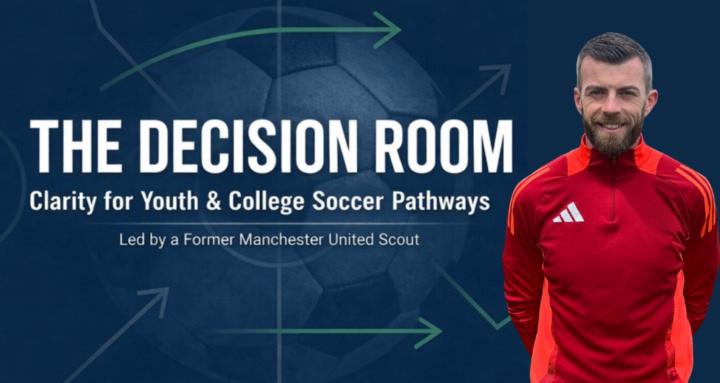
Former Manchester United First Team Scout. Mourinho, Van Gaal & Solskjær. UEFA A Licence & Academy Owner. Honest answers for football families.
Powered by