
Write something

Aug '25 •
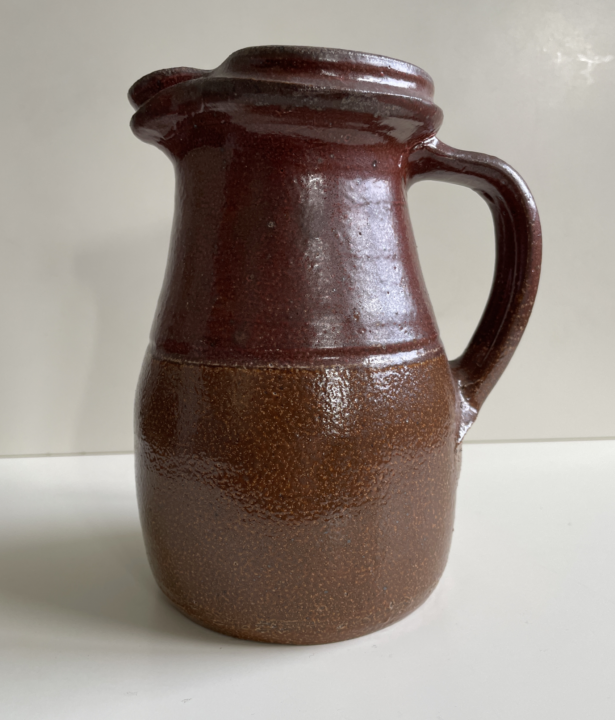
Richard Batterham - unmarked and unmistakable.
Richard Batterham is remembered for his mastery of stoneware and his commitment to functional, handmade ceramics. Born in Woking, Surrey, he discovered his passion for pottery at Bryanston School in Dorset under the guidance of Donald Potter, a protégé of Michael Cardew. After completing his National Service, he apprenticed with Bernard Leach in St Ives, Cornwall, where he met his future wife, Dinah Dunn, and was introduced to the foot-powered wheel of Japanese potter Shoji Hamada. In 1959, Batterham and Dunn established their pottery in Durweston, Dorset, where he worked independently for over six decades. His approach was deeply rooted in the Mingei philosophy, emphasising the beauty of everyday objects crafted with integrity and skill. Batterham's work is characterised by its simplicity, subtlety, and a distinctive aesthetic that blends traditional techniques with a modern sensibility. He produced a limited range of forms, including jugs, bowls, lidded jars, and tall bottles, often incorporating fluted, cut-sided, or beaten surfaces. His glazes, primarily ash and iron-based, were developed and applied with meticulous care, resulting in rich, earthy tones that complemented the tactile quality of his pieces. Batterham's pots were designed for daily use, yet their refined craftsmanship elevated them to the status of art objects. Despite his reclusive nature, Batterham's work gained recognition through exhibitions and collections, including the Victoria and Albert Museum. He was celebrated not only for his technical prowess but also for his philosophical approach to pottery, which emphasized the harmony between form, function, and the maker's intent. His legacy endures as a testament to the enduring value of handmade ceramics in a world increasingly dominated by mass production. Richard Batterham rarely, if ever marked his work.
0
0
Aug '25 •
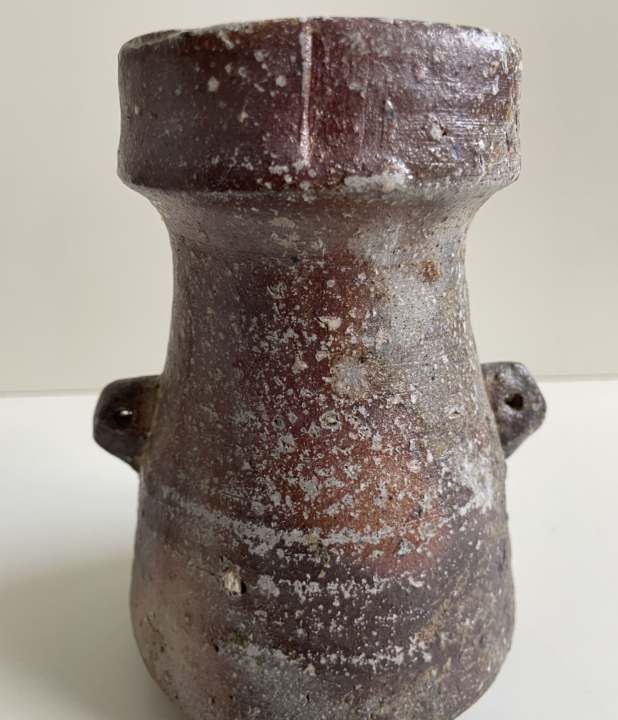
Janet Leach - a Bold American influence on British Studio Pottery
Janet Darnell Leach was an American-born studio potter whose work left a significant mark on the post-war ceramics scene, particularly in Britain. Her interest in ceramics deepened after meeting Japanese potter Shoji Hamada at Black Mountain College in North Carolina. In 1954, she became the first foreign woman, and only the second Westerner, to study pottery in Japan under Hamada's mentorship. Janet married Bernard Leach and moved with him to St Ives, Cornwall, where they operated the Leach Pottery. While she worked alongside Bernard, Janet developed her own distinctive style, characterised by bold, expressive forms and a preference for wood firing. Her work often incorporated gestural, poured glazes and markings, reflecting a deep appreciation for Japanese aesthetics and modern abstraction. After Bernard's death in 1979, she continued to create and exhibit her work internationally until her death in 1997. A retrospective of her work was held at Tate St Ives in 2006-2007, underscoring her enduring influence in the world of ceramics. Janet Leach's legacy endures through her innovative approach to pottery, blending traditional techniques with personal expression, and her contributions to the development of modern ceramics.
0
0
Aug '25 •
Clay Gold - pottery records at auction
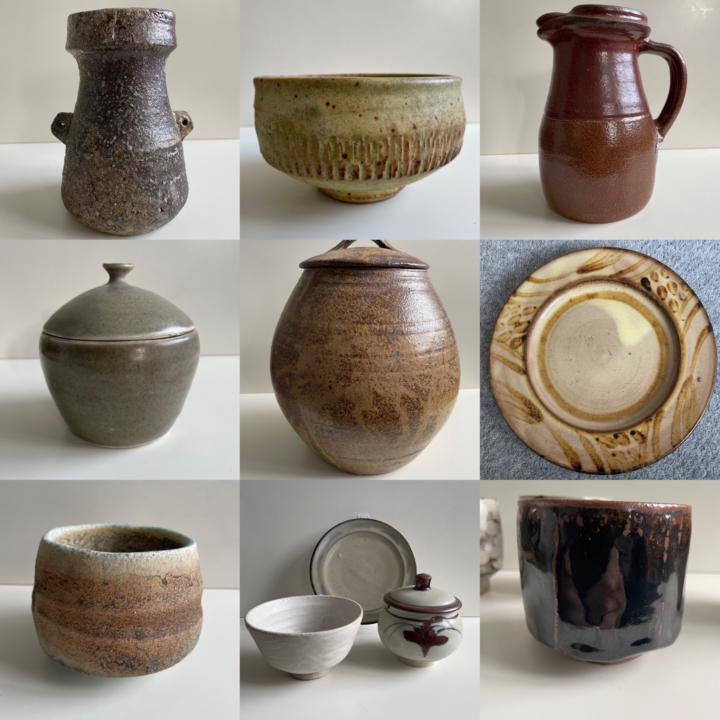
The most expensive piece of studio pottery ever sold at auction is a stoneware "Cycladic" vase by British-German potter Hans Coper. It fetched £647,700 (approximately $800,000) at Phillips Auction House in London in 2018, setting a world record for studio pottery. Previously, the record was held by another of Coper's works, a "Cycladic Arrow" form, which sold for £305,000 at Bearnes Hampton & Littlewood in 2015. In the realm of studio pottery, Lucie Rie is another prominent figure. Her footed bowl from 1981 achieved a significant price of £330,200 ($402,895) at Phillips in 2021, setting a new auction record for her work. However, these figures are modest compared to the highest prices ever paid for ceramics. The record for the most expensive ceramic piece ever sold is held by a Chinese Imperial "Chicken Cup" from the Ming Dynasty, which sold for $36.05 million at a Sotheby's auction in Hong Kong in 2014.
0
0
Aug '25 •
Collecting is fun - but is it a good investment?
1. What is Studio Pottery? Studio pottery refers to ceramics produced by individual artists or small workshops, typically in limited quantities, with a focus on artistic expression rather than mass production. Each piece is often handmade, signed, and sometimes numbered. 2. Factors Affecting Value Several key factors determine the investment potential of studio pottery: a. Artist Reputation: - Works by well-known or historically significant potters (e.g., Bernard Leach, Lucie Rie, Hans Coper) tend to appreciate over time. - Emerging artists can be cheaper but carry higher risk. b. Rarity and Uniqueness: - Limited editions or one-of-a-kind pieces generally command higher prices. - Pieces with distinctive glazes, forms, or techniques may be more desirable. c. Condition: - Chips, cracks, or repairs significantly reduce value. - Original documentation, certificates, or signed pieces increase authenticity and value. d. Provenance: - Pieces with clear ownership history or exhibition records often attract collectors. - Museum acquisitions or appearances in major galleries enhance credibility. e. Aesthetic and Historical Appeal: - Certain styles and periods (mid-century modern, Japanese-inspired work) have strong collector demand. - Shifts in taste can affect future desirability. 3. Market Dynamics - Studio pottery is a niche market with fluctuating demand. - Auction results, gallery sales, and online marketplaces like 1stDibs or Artsy offer insight into pricing trends. - Unlike stocks, there’s no standardised market index, so valuation can be subjective. 4. Advantages as an Investment - Tangible Asset: Can be displayed and enjoyed while potentially appreciating. - Cultural Value: Some collectors value historical and artistic significance, which can sustain long-term demand. - Diversification: Adds a non-financial asset to an investment portfolio. 5. Risks and Challenges - Illiquidity: Selling can be slow and dependent on finding the right buyer. - Market Volatility: Taste, fashion, and collector interest can shift. - Authenticity Risks: Forgeries exist, especially for high-value pieces. - Storage and Handling: Fragile nature requires careful storage and insurance.
0
0
Aug '25 •
Crafting Character - pottery from the West Country
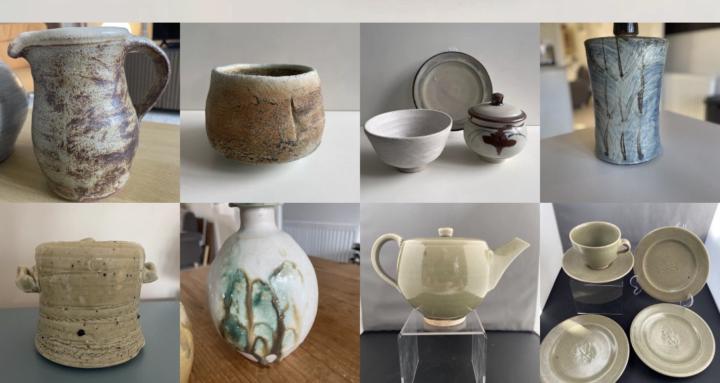
The West Country, Devon, Cornwall, Somerset, Dorset, is known for its dramatic landscapes, and its studio potters reflect this rugged beauty in much of their work, focusing on functional, handmade pieces: mugs, bowls, jugs, each unique, shaped by the natural variations of clay and glaze. Rooted in the Arts and Crafts ethos, West Country pottery emphasises the blend of utility and artistry. Many potters draw inspiration from local materials and the surrounding landscape, creating work that feels both grounded and expressive. Community plays a vital role, too: studios, workshops, and craft fairs foster dialogue between makers and the public, nurturing skill and creativity across generations. Today, West Country potters balance tradition and innovation. West Country studio pottery is more than craft - it’s a tangible connection to place, heritage, and the enduring value of the handmade
0
0
1-30 of 36
powered by
skool.com/studio-pottery-identification-9240
All things studio pottery, discuss, identify, value & most of all enjoy our love of this fabulous art form. Potters introduce yourselves and your work
Suggested communities
Powered by