
Write something

20d •
3 Tips for Training in High Temperatures
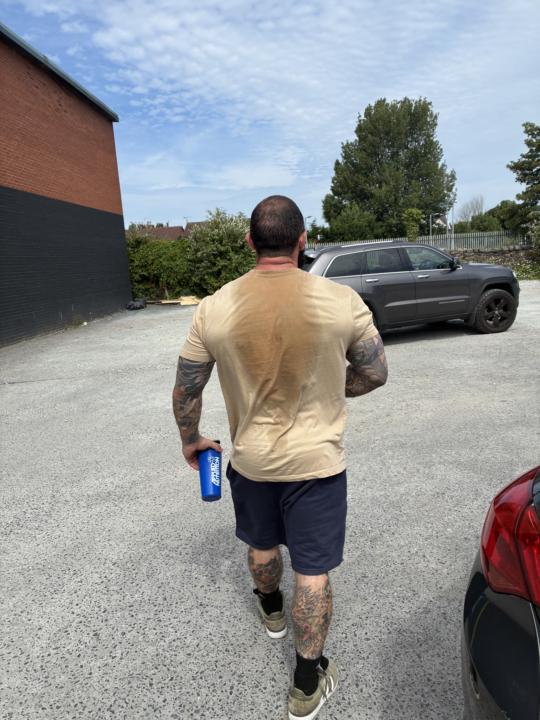
1. Prioritise hydration before, during and after training: - Start your day with a pint of water, as soon as you wake up, regardless of when you're training. - Keep a drink with you, everywhere you go - Aim to start your session well hydrated and sip fluids throughout. - Consider adding electrolytes to help replace sodium and other minerals lost through sweat. - A drop in hydration can significantly reduce strength and your pump, don't chase the pump on hot days. 2. Adjust training intensity and rest periods - Heat places additional stress on the cardiovascular system, reduce volume slightly if performance is suffering. - Take longer rest periods between sets if needed. - Focus on maintaining quality reps rather than chasing a pump or PB's. - Training hard is productive, overheating is not. 3. Train at the coolest time of day - Early morning or later evening sessions are usually best. - Lightweight, breathable clothing can help regulate body temperature and improve comfort. - Better temperature control often means better performance and recovery. Bonus Tip: - Don’t underestimate recovery. High temperatures can increase overall fatigue, so prioritise sleep quality, sleep with a fan on and focus on pre-bed routine, a cool shower can aid sleep. - Stick to your nutrition, heat can reduce your appetite, even if you're trying to lose weight, its important to stick to your macros or food plan, your body needs even more fuel for recovery in the heat. My favourite hydration supplement is available from AD Bodytech in the link below: https://www.adbodytech.co.uk/conteh-sports-hydra-flow-300g-3222-p.asp
26d •
Summer Cut 🌞
I'm well on track for the Summer 🌞 cut thanks to @Will Barton not long now until our family holiday on the 17th July.

23d •
🏋️♂️ Bodybuilding vs Functional Fitness for Men 35+: A Practical Guide
When you’re hitting the gym in your mid-30s and beyond, it’s not always about chasing look-or-strength alone. You need to consider sustainable progress, joint health and routines you can actually fit into your day to day life. If you’re torn between bodybuilding-style training and functional fitness, we are going to break down the pros and cons of each and suggest ways to combine the two, so you can get the best out of your gym sessions. ✅ Bodybuilding-Style Training — Pros - Hypertrophy and aesthetics: Predictable muscle growth and physique improvements. - Clear progress: Sets, reps, and weight provide easy tracking. - Strength gains: Focused training can maximize strength gains for specific body parts. - Easy and structured programming: Established templates make it easier to follow and adjust. ❌ Bodybuilding-Style Training — Cons - Higher training volume/time: Longer sessions and more often. - Potential for injuries: Especially with imbalanced sessions or poor form or ego lifting. - May overlook daily function, giving strength gains without real world relevance. - Requires access to a well equipped gym, not as flexible for home workouts. ✅ Functional Fitness — Pros - Real-life relevance, making lifting, bending, physical job situations easier. - Improves Mobility, balance and core stability. - Time-efficient and versatile, can cover more in a shorter space of time with less kit. ❌ Functional Fitness — Cons - Hypertrophy may be slower: Muscle size gains can take longer without structured overload. - Progress can be less “black and white” - Increased risk of injury as movements are often compounds and less controlled. - May not satisfy aesthetic goals for some, without added resistance work. 💡 Blending for a Balanced Approach - A smart hybrid often beats sticking to one lane. A combination of resistance training and functional fitness can often satisfy most peoples needs. - This often keeps things a bit more interesting than a traditional bodybuilding split with added cardio. - You could combine the two in to every session or have a specific session weekly for functional fitness. - Core principles for both remain the same; progressive overload, consistent and repeated sessions, listening to your body feedback and tweaking accordingly.
2
0

May 2 •
Twelve months transformation anything is possible 😁
Over the past 10 years I have been dealing with a heart condition had a few stents fitted and it left me down and out eating for no reason I had nothing left April 20025 I was taken back in to hospital and at that point I thought I need to change little did I know what was actually going to happen over the next twelve months would lead to this I have gone from 144kg down to 78kg and in five weeks will be stepping on stage at the nabba north west and I can’t wait so if any sees this and thinks I can’t do it well let me tell you yes you can nothing is impossible if you just believe in yourself 😁😁

28d •
Barbell Bench Press, is it worth it?
Barbell bench pressing is a staple for many lifters, but it isn’t a perfect fit for everyone. Here’s a look at the main reasons to include it—and the reasons some people skip it. It's not for everybody and it doesnt suit everyones goals.. ✅ The Case For (Pros) - Good for strength gains — The barbell lets you lift heavier loads, driving meaningful strength improvements across the chest, shoulders, and triceps. - Tracking progress — Clear benchmarks (loads, reps, and rep max milestones) make it easy to monitor progress over time. - Functional transfer — Builds pushing power that carries over to sports, work, and daily activities. ❌ The Case Against (Cons) - Risk of shoulder injury — Poor form, elbow flare, or mobility limitations can lead to impingement and other shoulder issues. - Spotter required — A safe setup typically needs a spotter or safety bars, which adds logistics and risk if you train alone. - Doesn’t suit every body type and potential for ego lift — Some physiques and shoulders tolerate it poorly; ego-lifting can compromise form and progress. 💡 Quick Decision Guide - Do you have healthy shoulders and a solid pressing foundation from lighter work? - Do you have a spotter on hand whenever you want to push? - Are your goals aligned with building strength, chest development, or sport-specific pushing power? - If you currently have shoulder pain, mobility issues, or limited access to a spotter, consider alternatives first. 🧭 Form & Safety Essentials (Brief Guide) - Setup: Feet planted, upper back and glutes on the bench, natural arch, shoulder blades retracted. - Grip width: Slightly wider than shoulder width. - Elbow angle: ~45 degrees to reduce shoulder strain. - Bar path: Lower to mid-chest with controlled tempo; press straight up without flaring elbows. - Breathing: Inhale on the way down, exhale on the press; brace your core. - Safety: Use a spotter - Avoid ego-lifting, nobody actually cares how much you used to bench...
2
0
1-5 of 5
powered by
skool.com/strong-dads-club-1661
A community for busy dads to build strength, confidence and a powerful physique while balancing family and life.
Suggested communities
Powered by