
Write something

5d •
Hail Resistance - a bit of controversy
I would like to offer you 2 points of view on hail resistance which I am seeing in my social bubble. 1. It shall be within the interest of every module maker to develop and design the modules with an improved hail resistance (resisting bigger hail size without damage), as the "hail showers" are more and more frequent even in regions where it was not very usual. The massive hail damage can happen nearly everywhere, therefore, never ending robustness improvements shall be part of the strategy of each module maker. 2. The fact that hail does not break the glass, but very likely breaks the cells is leading to situations that the asset owners have damaged plant, but proving it to the insurance company gets really expensive (EL screening). Insurance companies are reluctant to cover the damages, if the glass is not broken. For the sake of clarity, it would be the best, if the glass breaks as a matter of evidence. Then the whole insurance claim process goes much faster and the countermeasures can be done fast, cheap and easy. I wonder, which of those 2 ways is more resonating with you and why.

11d •
Monday Rookie Mistakes: How I Left 5 Combiner Boxes Off for 2 Months
Let me tell you about one of my most humbling moments in solar O&M. Back in 2021, I was managing an O&M service while also doing monitoring. During routine preventive maintenance, one of my technicians accidentally left 5 combiner boxes disconnected. Honestly? I get why it happened. Those boxes had the weirdest closing system, no LED indicators, and all the cables were buried. Easy mistake to make. But here's where it gets worse... The tech didn't check his work when he finished. I didn't verify it from the control room. We didn't even catch it in our end-of-month performance review. Two. Full. Months. It was only when I finally dug into the PR and energy performance index trends that I saw something was off. We pulled up the heat map and there it was—5 combiner boxes just sitting there, disconnected. Cue the emergency truck dispatch and some very awkward conversations. Here's what I learned (so you don't have to learn it the hard way): The real issue wasn't the technician's mistake. It was our process—or lack thereof. No combiner box monitoring. No systematic inverter comparison after maintenance. No immediate performance spot-checks. We got lucky. The PR impact was minimal. But that wake-up call changed everything about how we approach maintenance verification. Today, these mistakes don't happen anymore. Not because we became perfect, but because we built systems that catch human error before it costs time and money. What's your "oops, we missed that" moment? Share below—we're all learning together.

5d •
Alarm Management
Hi everyone, In process industries, alarm management standards like ISA-18.2 and EEMUA-191 are used to avoid alarm floods and missed critical events. In utility-scale solar O&M/asset management, has anyone tried to apply any of these ideas formally? (e.g. an “alarm philosophy” document, alarm KPIs, rationalization workshops, shelving/suppression rules, etc.) What’s one practice that actually helped you reduce noise without missing important events?

10d •
Repowering as a Growth Driver – Are You Ready?
Many PV systems are aging: declining performance, new technical requirements, and higher yield potential. Repoweringis becoming increasingly relevant — and O&M can play a key role in driving it. Questions: ▪ Are you already using your monitoring and service data to identify repowering opportunities? ▪ What challenges do you face in practice? ▪ Will repowering become a standard part of your service portfolio? Looking forward to your perspectives!

6d •
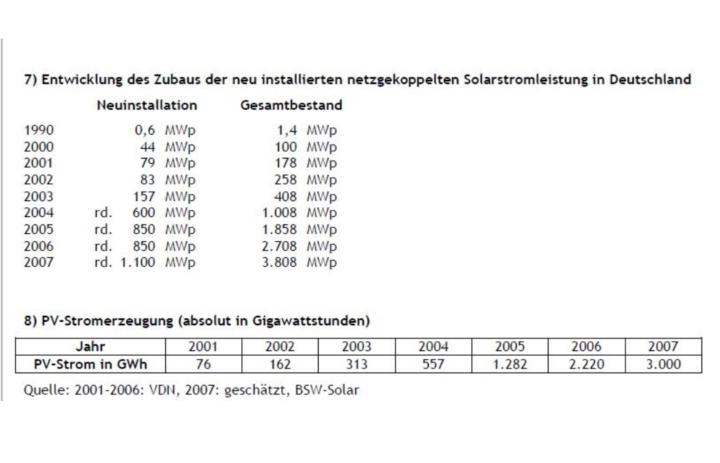
Germany's slow start
From 1990 ~ 0 grid tied to 2007 ~ 3,8 GW toooooo 2009 ~ 10 GW 2025 ~ reached 10 x times more 100 GW
3
0
1-10 of 10

skool.com/solarnotions
The place where you find the help to move forward in operating and managing solar plants. Technology, Operations, Business and much more from experts
Leaderboard (30-day)
1

+163
2
+109
3
+108
4
+28
5

+28
Powered by