
Write something

20d •
What Are Your August Plans?
Who are you seeing in concert? What project are you currently working on? What do you want to see happen here? HELP ME LIVE VICARIOUSLY THROUGH YOU! HAHA! I'm just kidding...mostly. While August brings a lot of transitions for me, the main transition I'm excited about is moving from months of court stuff to finally having more time for music and community. I've had so many things I want to do here, but increasingly less time to do them until now. While I it won't all be ready in August, I will be starting the setup of my new course versions, memberships, and a new vocal program, using this community as the hub. With that also comes ramping up content like I've been wanting to do for months. But there's something particular about my ADHD brain that I want to keep in mind. Often, if I tell you all the details, my brain marks it as done already. So, I'm really only going to say that I'm excited about what's coming, and would love to hear more about... What would YOU like to see here? I'm also producing an alt. rock artist while planning out my own music for this Fall. Being in the hard rock genre with a southern gothic soul, I've been thinking about collaborations as I build. I have a connection with Lzzy Hale, but I'm nowhere near where I need to be yet to bring her on. Taylor Momsen and Dorothy Martin also are on my list for the future. But I'm looking smaller, like Jared Benjamin, Lø Spirit, or others on the rise in social media. Is there anyone you would recommend?


Jul 4 •
Happy 4th / Weekend!
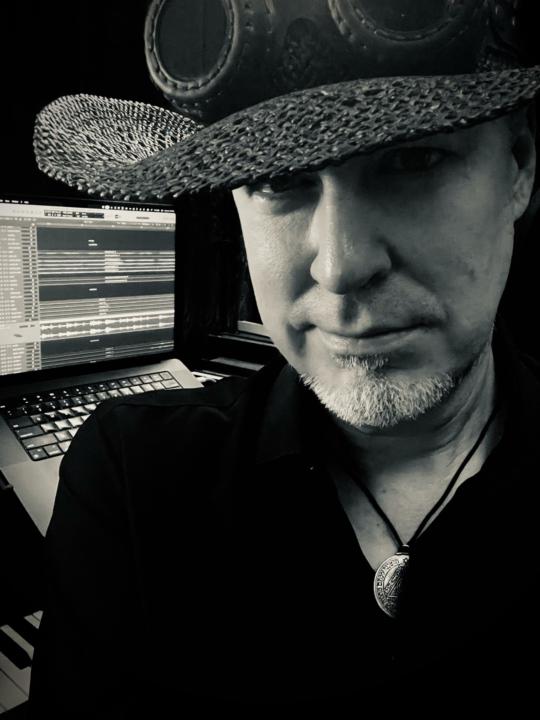
Happy 4th, 250th, Independence Day, Treason Day, weekend, and family day. Whichever way you spin it, I hope it's a good one. I just finished checking my mixes before heading out grab Ender and go spend time with close friends, my second family (Yeah...I don't really wear my hat around the house unless I'm about to leave; I'm not a savage!). I have more mixing late tonight and early tomorrow, before a good day of vocal lessons. I miss being on here as much as I want to be. I have thoughts! I have plans! This is my last month of craziness before I have full control over my business again and the almost year-long fight to simply survive is over. Not all of you know what I'm referring to, but quite a few of you do. I often see this US holiday as a turning point for the year. This year, at least this July, it's a VERY big turning point for me. Everything after July will be about rebuilding and growing rather than surviving. I'm grateful you're all a part of that. When you get some down time, perhaps after the fireworks, I would love to hear about whaat you've been up to this weekend. Anything restful, new, refreshed, or driving you forward? Until then, have a great weekend!
7
0
Oct '25 •
Rev Your Voice Like an Engine
One of the best ways to train and warm up distortion is to rev your voice like a motorcycle. Here's how.

Jun 18 •
AI Protection?
Here's an interesting article on how AI music works and some efforts to reduce the unremunerated exploitation of creators. Thoughts? https://www.soundonsound.com/techniques/how-ai-music-works
1-30 of 249

skool.com/rocksingingsuccess
#1 place for rock and metal singers.
Free resources, community, and programs for your rock singing career. 🎤
Leaderboard (30-day)
1

+12
2
+1
3

+1
4

+1
5

+1
Powered by