Feb 24 (edited) • 🗣️ The Amphitheater (General)
🌍 Welcome to the Amphitheater! / ¡Bienvenidos al anfiteatro!
Languaje update (Versión en español abajo 👇)
Welcome everyone.
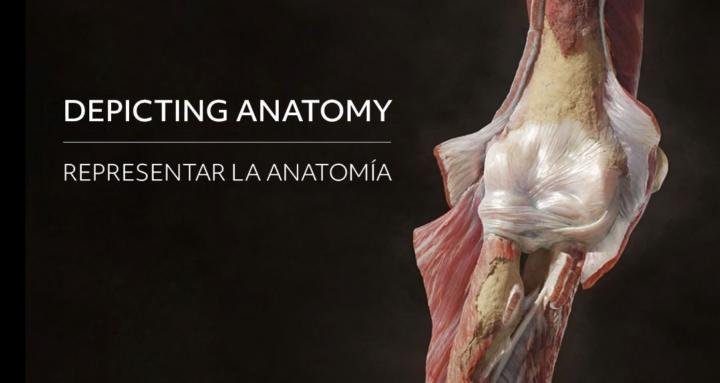
I created this space to bring together those who share a deep fascination for the human body and, above all, for its representation.
Throughout my 15 years in medical publishing and as the founder of Anatomy One, I have proven that anatomy is never just a simple set of inert data. From the first dissection attempts in the Renaissance to CT scans and the Visible Human Project, every era has tried to solve the same problem: how to illuminate the dark architecture of flesh.
This group was born to explore that intersection between science, art, and technology applied to the representation of the body.
How does this bilingual community work?
Due to the amazing influx of artists from all over the world, this community operates in both English and Spanish. Since Skool does not have an automatic translation feature, I will publish all major content, cycles, and resources in both languages within the same post.
The categories on the left are unified by topic (not by language) because the language of 3D forms and anatomy is universal. Feel free to read, post, and comment in whichever language you are most comfortable with!
What do we do here?
This is not a basic software tutorial group (although there will be space for that). It is a place to debate, refine professional workflows, and understand the philosophy and aesthetics behind medical imaging.
Here, we will cross current scientific rigor with the worldviews of the past. We will analyze the visual legacy of our predecessors, master the new technologies at our disposal, and explore how ancient and modern aesthetics continue to shape our vision of the human body.
Whether you are a 3D modeler, scientific illustrator, fine artist, healthcare professional, or simply someone obsessed with the beauty and complexity of anatomy, you are in the right place.
I would love to know who you are and what brings you here. Please introduce yourselves in the comments: tell me what you do and what aspect of anatomical representation you find most fascinating or difficult to solve.
Welcome to the amphitheater.
Bienvenidos todos.
He creado este espacio para reunir a quienes compartimos una fascinación profunda por el cuerpo humano y, sobre todo, por su representación.
A lo largo de mis 15 años en la edición médica y como fundador de Anatomy One, he comprobado que la anatomía nunca es un simple conjunto de datos inertes. Desde los primeros intentos de disección en el Renacimiento hasta las tomografías computarizadas y el Visible Human Project, cada época ha intentado resolver el mismo problema: cómo iluminar la oscura arquitectura de la carne.
Este grupo nace para explorar esa intersección entre la ciencia, el arte y la tecnología aplicada a la representación del cuerpo.
¿Cómo funciona esta comunidad bilingüe?
Debido a la increíble llegada de artistas de todo el mundo, esta comunidad funciona tanto en Inglés como en Español. Dado que Skool no tiene un traductor automático, publicaré todos los contenidos importantes, ciclos y recursos en ambos idiomas dentro de la misma publicación.Las categorías de la izquierda están unificadas por tema (no por idioma), porque el lenguaje de la forma 3D y la anatomía es universal. ¡Siéntete libre de leer, publicar y comentar en el idioma en el que te sientas más cómodo!
¿Qué hacemos aquí?
Este no es un grupo de tutoriales básicos de software (aunque también habrá espacio para ello). Es un lugar para debatir, perfeccionar el flujo de trabajo profesional y entender la filosofía y la estética detrás de la imagen médica.Aquí cruzaremos el rigor científico actual con las cosmovisiones del pasado. Analizaremos el legado visual de nuestros antecesores, dominaremos las nuevas tecnologías a nuestra disposición y exploraremos cómo las antiguas y nuevas estéticas siguen moldeando nuestra visión del cuerpo humano.
Tanto si eres modelador 3D, Ilustrador científico, artista plástico, profesional de la salud o simplemente alguien obsesionado con la belleza y la complejidad de la anatomía, estás en el lugar adecuado.
Me encantaría saber quiénes sois y qué os trae por aquí. Podéis presentaros en los comentarios: contadme a qué os dedicáis y qué aspecto de la representación anatómica os resulta más fascinante o difícil de resolver.
Bienvenidos al anfiteatro.
2
0 comments
🌍 Welcome to the Amphitheater! / ¡Bienvenidos al anfiteatro!
Powered by