
Write something

Jan 4 •
Welcome to Project Mend
If you’re here, chances are life looks good on paper—but something inside feels worn, scattered, or unclear. Project Mend exists for people navigating burnout, transition, or a quiet restlessness that external measures of success alone hasn’t resolved. This is a space to slow down, reflect honestly, and rebuild alignment between your values, your work, and your life. You’ll find: Thoughtful conversation Practical tools for clarity and executive functioning Actionable counseling-informed insights Preparation for deeper work There’s no pressure to perform here. Just show up as you are. To begin: If you’re willing, introduce yourself in the comments with: What brought you here and one area of life you want more clarity in. Glad you’re here. Let’s mend what matters.
Jan 4 •
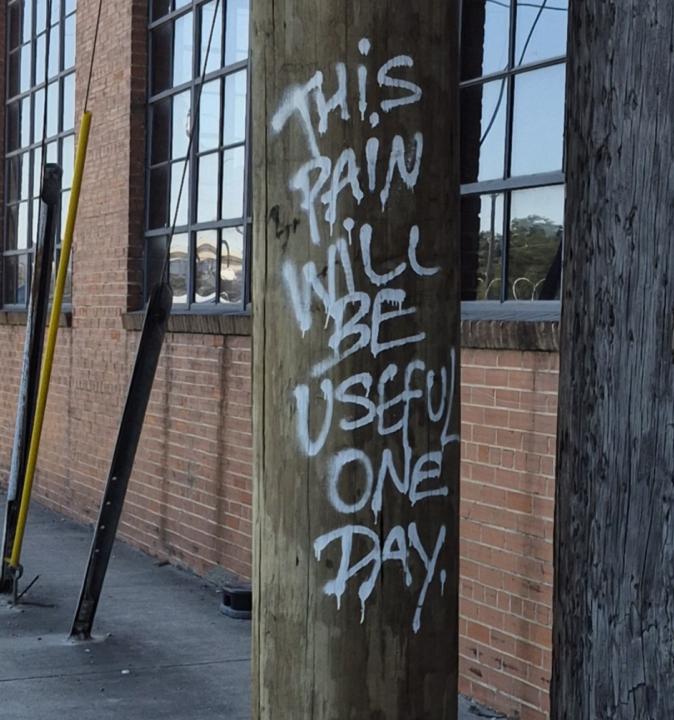
Motivation vs. Self-Discipline (Why This Matters More Than You Think)
Many high-performing professionals believe they have a motivation problem. Could it actually have a neuro-strategy mismatch?-- very likely. And, great news, neurology can be trained. Motivation is emotion-driven. It rises and falls based on energy, interest, and context. Self-discipline is structure-driven. It relies less on feeling ready and more on reducing friction. Neurologically, some brains respond well to motivation (novelty, urgency, inspiration).Others function far better with predictable systems, cues, and constraints. Burnout often happens when we try to force motivation in a brain that needs structure—or shame ourselves when motivation fades. Clarity question:Are you trying to feel your way into action… or design your way into it? I’ve put together a simple, actionable tip sheet that helps you: - Identify which driver works best for you - Build follow-through without relying on willpower - Reduce friction instead of pushing harder 👉 Comment “oh yeah” and I’ll send it to your inbox. This is about working with your brain, not against it.

Jan 5 •
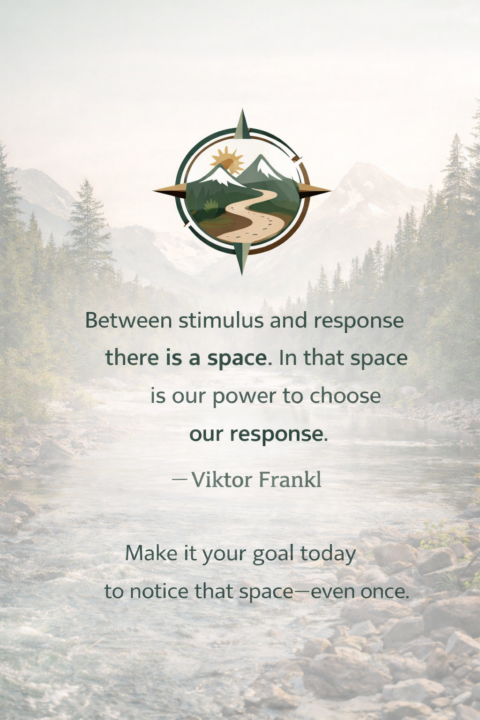
The Space That Changes Everything
Viktor Frankl wrote about the space between stimulus and response—the moment where we have the freedom to choose how we act. Most of us move through that space unconsciously. Especially those of us wired for self-discipline. We respond quickly, decisively, and often automatically. This year, I’m intentionally working on strengthening the part of my brain that’s driven by motivation, not just discipline. For me, that looks like choosing a goal for the day, rather than a goal for the year. Smaller. More alive. More responsive to what’s actually present. Discipline acts fast. Motivation requires awareness. If it feels right—and especially if it feels a little uncomfortable—consider making this your goal for today: At least once, notice the space Frankl described. Pause. Name what you’re feeling. Choose your response. That pause is where clarity begins.
2
0
Jan 4 •
How This Community Works
Project Mend is designed to be steady, intentional, and practical. Here’s what you can expect: Weekly reflection prompts to slow down and gain clarity Practical tools for focus, decision-making, and follow-through Counseling-informed insights grounded in real life Honest discussion rooted in respect and confidentiality How to engage well here: Respond, don't react Share thoughtfully, not perfectly Offer curiosity, not fixes Protect the trust of this space Show up with intention. Clarity will follow.
2
0

1-4 of 4
powered by

skool.com/project-mend-2122
A community for people seeking clarity, resilience, and intentional living through grounded conversation and practical tools.
Suggested communities
Powered by