
Write something

Dec '25 •
Worming chickens!
Today I wormed our chickens and I thought I'd do a quick video with me worming one of our gorgeous girls, Sylvia, and give you some insights into what I do and why. Why Worming Matters Chickens naturally pick up worm eggs from the soil/dirt, insects, droppings and shared yards. Worms can cause: *Weight loss or poor/slow growth *Dropped egg production *Pale combs *Diarrhoea or messy bottoms *Lethargy ***In severe cases it can lead to anaemia or even death. Routine worming helps keep your flock strong, , healthy, productive and laying. How Often to Worm *Every 3 months (seasonally) *More often if: They are free range Wet or muddy ground You notice symptoms You bring new birds into the flock Most Common Types of Products (in Australia) Medicated seed. It's easy for flocks but less precise dosing Worm Gel - Liquid gel. Gentle and effective Liquid - Moxidectin/Levamisole (eg; Kilverm). Add to the chickens clean fresh drinking water. Worm tablets for chickens - (eg; Avitrol Plus tablets). Individual tablets therefore more precise dosing. Especially when you don't know how much water your chickens actually drink and how often. You can't know if they have had enough to be properly dosed. I use the Avitrol plus tablets. Quick, easy, one single dose, less waste and more cost effective. How to Administer Worm Tablets 1. Try and catch the chicken calmly. For chickens that aren't used to being handled, doing it when it becomes dark and they have roosted, is easier as they can't see very well in the dark and less like to get jumpy. You can wrap them in a towel. 2. Place the tablet in the open beak gently using your thumb and forefinger at the corners. 3. Place the tablet as far back as possible so they swallows it. 4. Let them swallow and hold her for 1-3 seconds to ensure it safely goes down her throat. 5. Dos each bird with a standard does which is one tablet per adult bird. (Read label and follow instructions accordingly). 6. Ensure you keep track of date of worming and who you wormed as you go. 7. Repeat only if required in 7-14 days to kill hatching larvae. 8. Withhold eggs if label instructs. Many products have zero egg withholding, but some may have 3-7 days.
0
0

Dec '25 •
Hot! Hot! Hot! 🇦🇺🔥
Here in Queensland, Australia, it’s HOT! Today was 35 degrees with some heavy humidity. In this type of weather you need to keep an eye on your animals. Our chickens suffer a bit but ensuring they have cool fresh, clean water and shade, some fresh fruit and veggies they should be ok. What to look for with heat stroke in chickens; These are warning signs — chickens are struggling but still recoverable: • Panting or open-mouth breathing • Wings held out away from body (to release heat) • Lethargic / low energy • Standing very still or spreading out on the ground • Reduced appetite • Drinking more water than normal • Pale or reddening comb/wattles • Seeking shade constantly • Loose or watery droppings Moderate to severe signs (urgent cooling needed) These indicate overheating is getting dangerous: ⚠ Rapid heavy panting ⚠ Gasping or neck stretched out ⚠ Weakness, wobbling, unsteady walking ⚠ Not reacting to touch or movement ⚠ Closed eyes, very lethargic ⚠ Comb/wattles turning dark red or purple (poor oxygenation) ⚠ Drooping wings, unable to perch ⚠ Not drinking on her own Heat stroke (emergency) Extreme signs where immediate intervention is required: 🚨 Seizing/tremors 🚨 Collapse or lying on their side 🚨 Unconscious or very unresponsive 🚨 Breathing very slowly or barely at all This can be fatal fast — you need to cool them slowly but immediately. If you see these — act quickly. Look at the red that has her beck open, sounds a bit weezy and has her wings popped out. The heat is knocking her around but she’s ok. You can subscribe here to get a ‘what to look for’ guide on how to treat chickens for heat stroke and illnesses. I’ll also pop in some fun chicken foods for summer. I promise they’ll love them!!!! Happy farming guys!!!
1
0

Nov '25 •
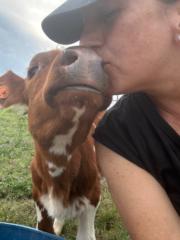
Aussie Red Dairy Cows
Morning feed time for our calves. A quick paddock chat about our rescue Aussie Red dairy cattle. They’re our pets (only). Any questions, send them through. Let’s chat and learn. What’s your favourite cattle breed? 🐄🐄🐄
0
0

Nov '25 •
Welcome!
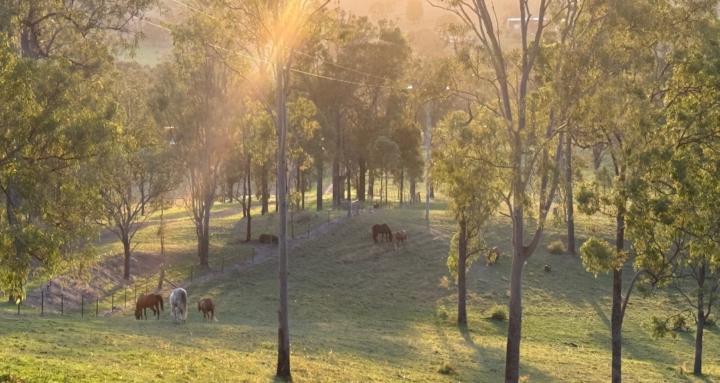
Hi, I’m Simone, a down-to-earth farm girl from regional Queensland. Our little farm is home to horses, calves, chickens, baby turkeys, our beautiful (rescue) dogs Oscar & Macy and of course our sassy cat Minxy and a few cheeky native locals. I started this space to share the real side of farm life — the laughs, the lessons, and the connection between people, animals, and the land. Whether you’re already on your own patch of dirt, you’re an urban follower curious about country life, or someone thinking about taking the leap onto your own bit of land, you’re in the right place. You’ll find stories, tips, and inspiration to live and learn about a more grounded, nature-connected life. Let me share ‘Our Little Farm’ with you guys. Welcome.
1-6 of 6
skool.com/our-little-farm-school-aus
Through this community, I want to share everyday life on our little farm and hopefully help others learn what’s it’s like living on a property.
Powered by