
Write something
May 30 •
Post a quote
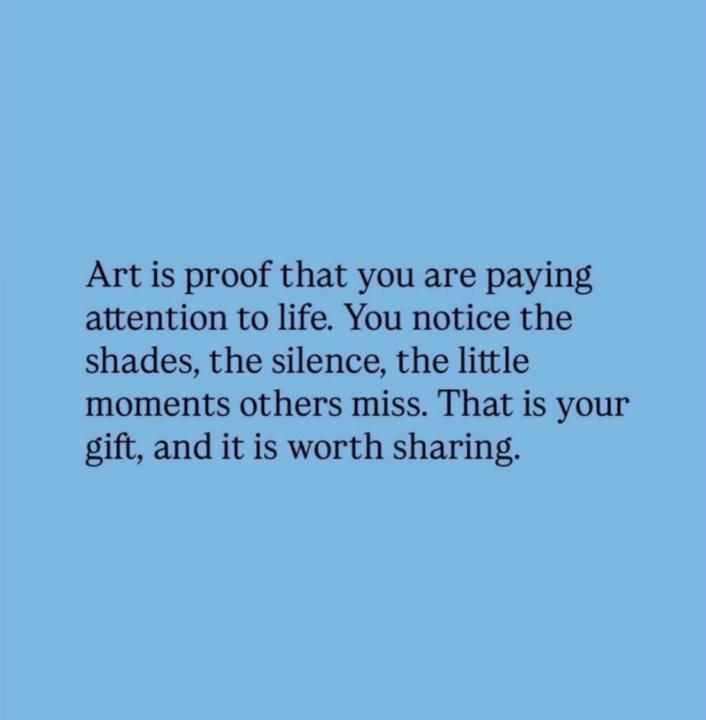
Loved these little quotes 🌷💕 Post a quote to the group for fun 🤩 Happy weekend arty people xx
May 17 •
Time for creativity 🎨🎨🧑🎨
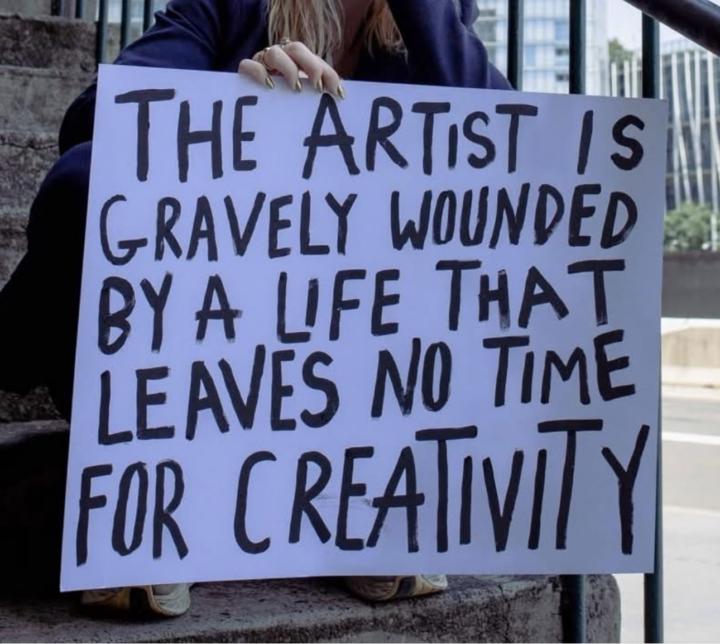
Happy Weekend lovely arty people. Remember…Creativity doesn’t always arrive in big, uninterrupted blocks of time. Sometimes it’s ten quiet minutes with a journal, a scrap of paper, a paintbrush, or simply allowing yourself to play without pressure. The quote, “The artist is gravely wounded by a life that leaves no time for creativity,” feels especially true in busy seasons. Creativity isn’t a luxury, it’s our nourishment. It helps us process, explore, dream, and reconnect with ourselves. Please don’t wait for the “perfect time” to create. A little collage session, a quick sketch, layering papers, experimenting with texture… it all counts. This week, try giving yourself permission to make space for creativity, even in the smallest way. Your artist self will certainly thank you for it. 🧑🎨🎨 Love this funny GIF 🤪🤣🤪
2
0
Jan 6 •
WELCOME LOVELY ARTY PEOPLE!
Welcome to ART CLUB!!! I'm sooooo excited to be starting this new club. Please introduce yourselves and share a pic of one of your creations if you like. Don't by shy, we're all lovely arty people here who love seeing all levels and types of arty stuff. 😍
May 12 •
Holiday art inspiration
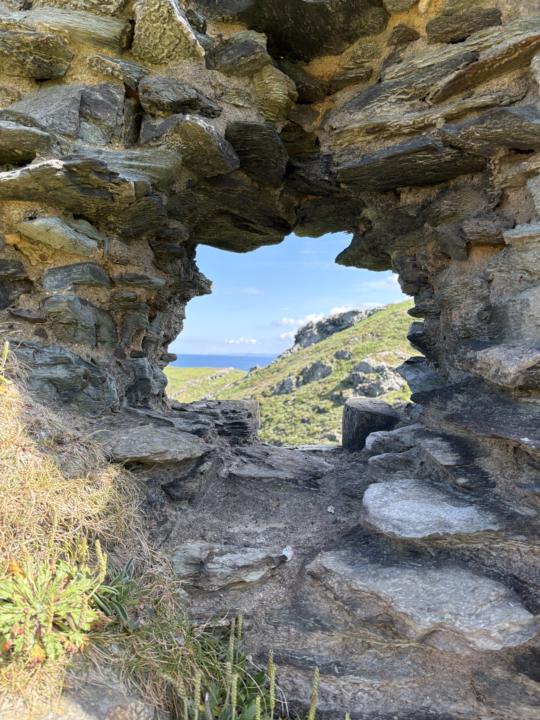
Hope you’re having a lovely week! My husband and I have been away to Tintagel, Cornwall, England. It’s been so inspiring with the most incredible scenery I’ve ever seen!! We stayed at Camelot Castle which had a resident artist 🧑🎨 Ted Stourton, he showed me his studio’s at the Castle, 🏰 WoW fancy having your art studio in a castle 🏰 I’ll attach some photos of his art, one of his books and a picture of me with him (he was wearing a Rupert The Bear tank top! Fun 🤩 ). What an incredible week I’ve had 💕🎨🧑🎨
2
0

May 5 •
Music and painting.
Great fun admiring all the paintings again, and seeing if Kristov had added more. I think part of it is personally knowing the artist, and seeing his new ideas. Although I enjoyed painting in that style, and proving to myself I could do it. I probably will not do more, as I'm strictly creating and painting for my self not commercially. So the painting has to really mean something to me, or as a memory of what i was doing at the time. 🤔 On another note 📝 the Electro Swing evening went well. So much so, everyone has requested another one. So I have been roped into helping organise another one the end of the week. They are going all out this time. More music, dance club decorated, and a local group have said they can also play this style of music. So we have roped them in too. The bar staff are coming up with some buttered rum cocktails 🍸 especially for the evening. Many of the guys have gone out to buy some trilby hats and some of the woman have already organised to wear sparkly dresses, and head bands with an osteridge feather 🪶 in them. They are advertising it as Johns Electro Swing Party. What have I started. What I'm hoping to do is take some photos of the evening, which I can draw some sketches from. Possibly turn them into silluettes, and compose some paintings from 🖼 of the evening.
1-30 of 109
powered by
skool.com/mixed-media-art-club-8046
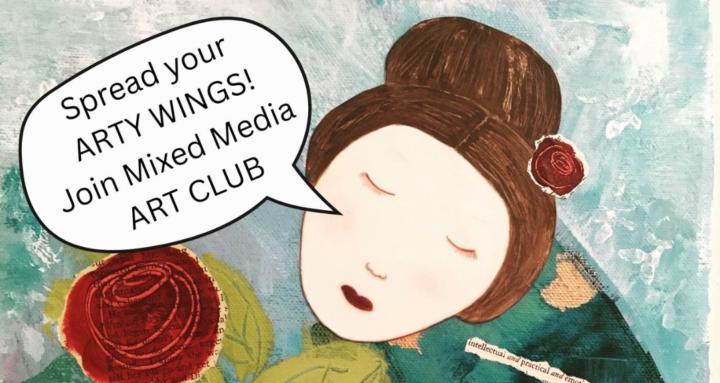
Join ART CLUB for fun arty chit chat, art courses and inspiration! Let's make arty stuff together......Spread your arty wings!
Suggested communities
Powered by