Write something

Dec '25 •
What do you think?
Is everyone’s mental health the same? Everyone has mental health that ranges from good to poor, like physical health.
Poll
2 members have voted
0
0
Dec '25 •
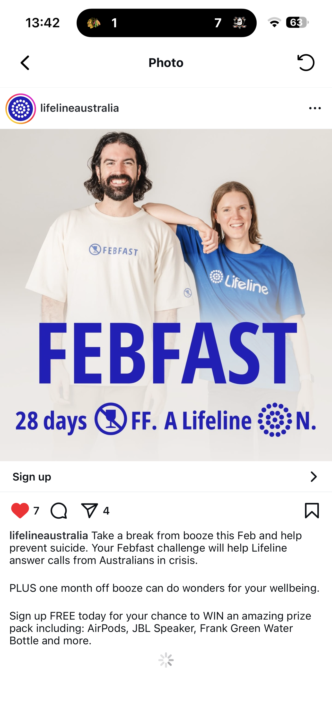
Febfast
I’m taking on Febfast to support people in crisis. Life can feel overwhelming, and having someone to listen makes all the difference. Please donate to help Lifeline be there when it matters most. EVERY 24 SECONDS, SOMEONE IN AUSTRALIA REACHES OUT TO LIFELINE
FOR HELP That’s more than 3,000 people every single day who just need someone to listen. By skipping the sip for one month, I’m not only giving my body a break – I’m helping make sure Lifeline can be there, anytime and anywhere, for the people who need it most. It’s a small challenge for me, but it could mean life-changing support for someone else. Together we can ensure Lifeline can continue to be there 24/7 so that no one has to face their toughest moments alone. https://www.febfast.org.au/fundraisers/tamikadeed
0
0
Dec '25 •
Social media
Social media use is linked to increased risks of anxiety, depression, poor sleep, and body image issues, especially in teens, due to factors like cyberbullying, comparison culture (FOMO), and addictive design (dopamine hits from likes) that disrupt real-life activities, though it can also offer support; the key is balancing use with digital literacy and real-world connections. How ever if we use it positively then it can be super rewarding. The only thing we have to remember is that people will find a way to use that happiness against us. Meeks x
0
0

Dec '25 •
Caring for ourselves
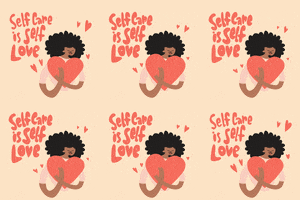
Self-care isn't selfish; it's essential for mental health, reducing stress, improving mood, boosting resilience, and preventing burnout by prioritizing activities that nourish your physical and emotional well-being, like exercise, mindfulness, good sleep, and social connection. It builds inner strength, enhances self-esteem, improves focus, and helps you cope with life's challenges, allowing you to better care for others, like putting on your own "oxygen mask" first Key Facts & Benefits Reduces Stress & Anxiety: Activates the body's relaxation response, lowering cortisol, and preventing burnout. Improves Mood: Stimulates "feel-good" chemicals (serotonin, dopamine, endorphins) and promotes a more positive outlook. Boosts Resilience: Builds psychological reserves to adapt to adversity. Enhances Self-Esteem: Signals to your subconscious that you are worthy of care. Strengthens Relationships: Better equipped to support others when your own needs are met. Increases Focus & Productivity: Taking breaks to recharge improves mental performance. Prevents Burnout: A proactive way to manage life's demands and avoid emotional depletion. What Self-Care Involves (Examples) Physical: Exercise, healthy eating, sufficient sleep, hygiene. Emotional: Practicing mindfulness, positive self-talk, setting boundaries, engaging in hobbies. Social: Connecting with loved ones, contributing to community. Mental: Learning new things, taking breaks, reducing digital overload. Why It's Crucial It's Not Indulgent: It's a necessity for maintaining well-being and preventing illness, like a flight safety rule says, "Put on your own oxygen mask first". It's Proactive: It's about deliberately choosing helpful behaviors to maintain health, not just reacting to crises. It's Personal: Your self-care plan is unique and changes over time
0
0
Dec '25 •
Do we?
DO we really know ourselves? Or do we let other people decide for us ????? Let me know Meeks x
0
0
1-9 of 9