
Write something

4d •
Baby Boomers Are Redefining Aging
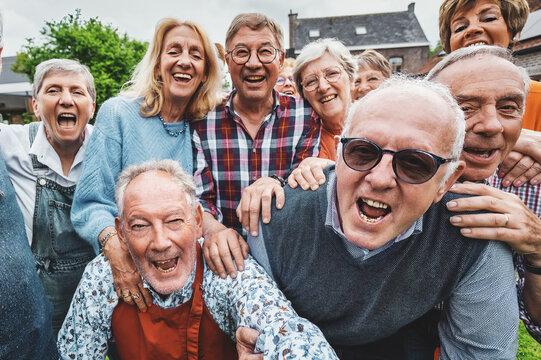
Something big is happening right now in the world of aging. The first wave of baby boomers is turning 80, and they are not quietly stepping into old age. They are reshaping it completely. For decades, aging was seen as a period of slowing down, relying more on others, and accepting limitations. That mindset is changing fast. Today’s seniors want something very different. They want independence, better healthcare, and a higher quality of life for as long as possible. One of the biggest shifts is the focus on healthspan instead of just lifespan. Living longer is no longer enough. What matters now is staying active, mentally sharp, and physically capable during those extra years. Seniors today expect to feel good, not just live longer. This change in mindset is pushing the entire healthcare system to evolve. Older adults are demanding simpler, more connected care instead of fragmented systems that are hard to navigate. They want access to tools like telemedicine, in-home care, and wearable technology that help them monitor their health in real time. Another major shift is where and how seniors want to live. Instead of moving into traditional senior living facilities, many prefer to age in place. That means staying in their own homes while making modifications that support safety and mobility. This trend is driving growth in home upgrades, shared living arrangements, and multigenerational households. Financial priorities are also changing. Spending patterns show that older adults are investing more in healthcare and less in travel or leisure. This reflects a deeper awareness that maintaining health is the foundation for enjoying life later on. What stands out most is the level of control this generation wants over their lives. They are asking bigger questions about how they age, how they are cared for, and even how they approach end-of-life decisions. Conversations that were once avoided are now becoming more open and intentional. This generation is also incredibly influential. With their numbers, experience, and economic power, they are shaping industries, policies, and innovations. From healthcare to housing to technology, businesses are being forced to adapt to meet their expectations.
11d •
🌿 Redefining Healthy Aging in 2026
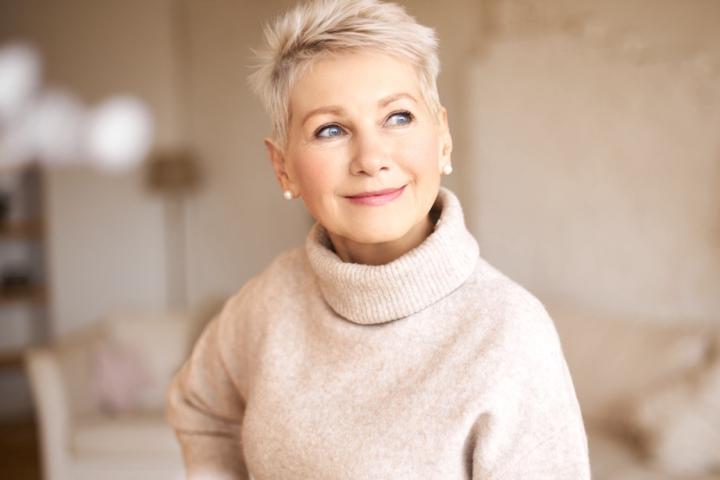
Aging well in 2026 is no longer just about doctor visits or managing health conditions. Today, it is about living with balance, purpose, and independence. Seniors are redefining what wellness means, shifting the focus from simply treating illness to building a lifestyle that supports overall well-being every day. One of the biggest changes happening right now is the move toward a more personalized approach to wellness. Instead of one-size-fits-all routines, older adults are choosing what works best for their own bodies and lifestyles. This includes flexible fitness options, personalized goals, and activities that match their energy levels and interests. This shift allows individuals to stay consistent because the approach feels natural and sustainable rather than forced. Another key area of focus is brain health. Staying mentally active is just as important as staying physically active. Many seniors are engaging in learning new skills, participating in creative activities, and challenging their minds through games or educational programs. This not only supports memory but also builds confidence and provides a sense of accomplishment. Lifelong learning is becoming a major part of healthy aging because it keeps people curious, engaged, and motivated. Nutrition is also evolving. Instead of strict diets or heavy restrictions, the focus is now on balanced and enjoyable eating. Seniors are encouraged to choose foods that support energy, heart health, and overall strength while still enjoying meals. Eating is no longer just about nutrition; it is also about connection. Shared meals and social dining experiences are helping reduce isolation and improve emotional well-being. Technology is playing a growing role in supporting independence. Many older adults are using simple tools like fitness trackers, health apps, and virtual services to stay on top of their health. These tools make it easier to monitor daily habits, stay active, and even connect with healthcare providers without leaving home. When used correctly, technology becomes a support system rather than a replacement for human interaction.
2
0
13d •
📖 Relax and Read Friday
Reading for just 20 minutes a day can reduce stress and boost brain health! What are you reading this week?
2
0

17d •
The New Way to Think About Senior Wellness in 2026
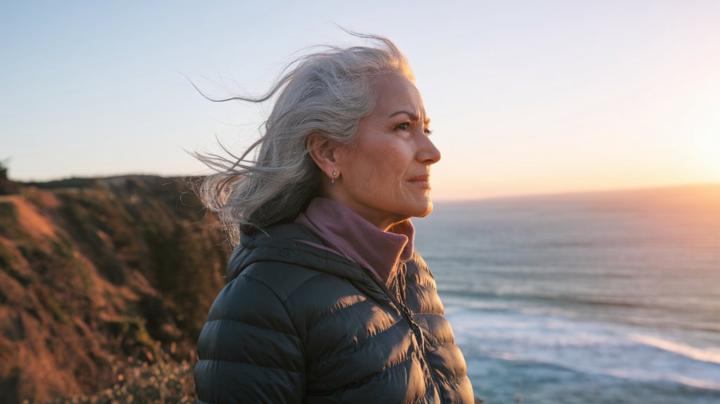
Wellness is changing, and in 2026, it looks very different from what many people expected. It is no longer about strict routines or one-size-fits-all advice. Instead, the focus is on simple, sustainable habits that support real life and help people feel better every day. One of the biggest shifts is personalization. Health is no longer treated the same for everyone. Today, wellness is built around individual needs, preferences, and lifestyles. This means choosing activities, foods, and routines that actually fit into your daily life and feel enjoyable, not forced. When something feels natural, it becomes easier to stay consistent. Another important trend is functional fitness. Instead of focusing only on exercise for the sake of exercise, the goal is to stay strong for everyday life. Movements that help with walking, standing, carrying items, and maintaining balance are becoming more important. This type of fitness supports independence and confidence, helping people stay active and capable as they age. Nutrition is also evolving in a meaningful way. The focus is now on foods that truly support the body. Meals rich in nutrients help improve energy, support brain function, and strengthen the immune system. Simple choices like eating more whole foods, fruits, vegetables, and healthy fats can make a noticeable difference in how you feel each day. Hydration is also being recognized as essential for maintaining energy and mental clarity. Sleep is another area getting more attention than ever before. Quality rest is now seen as a key part of overall health, not just something optional. Many people are realizing that better sleep leads to better mood, sharper thinking, and more energy during the day. Creating a calm environment, following a regular schedule, and allowing time to unwind are all simple ways to improve sleep. Brain health is also becoming a major priority. Staying mentally active is just as important as staying physically active. Activities like learning new skills, reading, engaging in conversations, and exploring hobbies help keep the mind sharp and engaged. Mental stimulation combined with social interaction plays a powerful role in maintaining cognitive health over time.
16d •
A Habit That Changed Everything
"𝐑𝐞𝐚𝐝𝐢𝐧𝐠 𝐜𝐚𝐧 𝐜𝐡𝐚𝐧𝐠𝐞 𝐡𝐨𝐰 𝐰𝐞 𝐥𝐢𝐯𝐞." - Have you ever read something that made you rethink your health habits? - What was it and how did it help you? - Have you looked through our “Healthy Living Reads” content?

1-30 of 75
skool.com/medicare
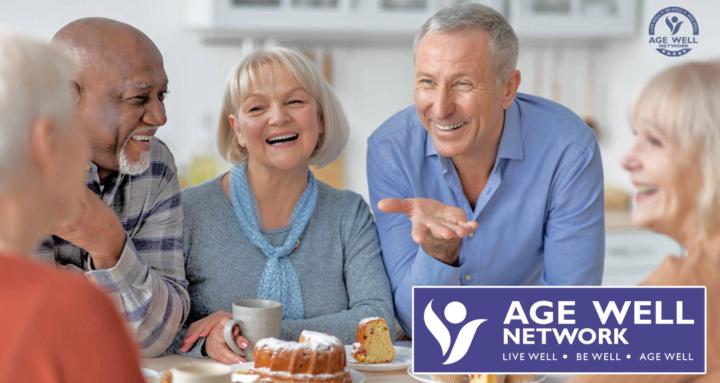
✨ Tips, support, and real conversations to help you stay active, healthy, and connected while aging well.🌿
Leaderboard (30-day)
1

+20
2
+9
3

+8
4
+6
5

+5
Powered by