
8d • Age Well Reads 📖🌿
Living Well After 65 - A Whole-Person Approach to Senior Health 🌟
❤️ Healthy aging is about much more than avoiding illness. True wellness in later life includes caring for your body, mind, relationships, and sense of purpose. A whole-person approach recognizes that every part of life is connected. When these areas are nurtured together, older adults can thrive with vitality, confidence, and joy.
One helpful way to understand senior wellness is through six key dimensions: physical, intellectual, emotional, social, spiritual, and purposeful living. When these areas are supported, older adults often experience greater resilience, independence, and life satisfaction. Wellness is not a fixed destination. It is an ongoing process of making choices that help you live fully in the present while staying engaged with the world around you.
Physical wellness remains the foundation of healthy aging. Regular movement, balanced nutrition, and preventive care help maintain strength, mobility, and overall health. Exercise does not need to be intense to be effective. Gentle activities such as walking, stretching, strength training, or tai chi can improve balance and support independence in daily life. Functional movements that mimic everyday tasks, like standing up from a chair or reaching overhead, are especially valuable because they help older adults stay capable and confident.
Nutrition also plays a vital role in vitality. As people age, adequate protein and nutrient intake become even more important for maintaining muscle, preventing frailty, and reducing disease risk. Skipping meals or relying heavily on processed foods can increase health concerns. Choosing fresh foods, varied meals, and enjoyable dining experiences supports both physical health and emotional well-being.
Mental and emotional wellness are equally essential. Keeping the mind active through learning, creativity, and curiosity supports cognitive health and may reduce the risk of decline. Lifelong learning opportunities, such as classes, discussions, reading, or exploring new hobbies, keep the brain engaged and foster a sense of growth. Emotional health also benefits when older adults feel comfortable expressing feelings and receiving support during life transitions.
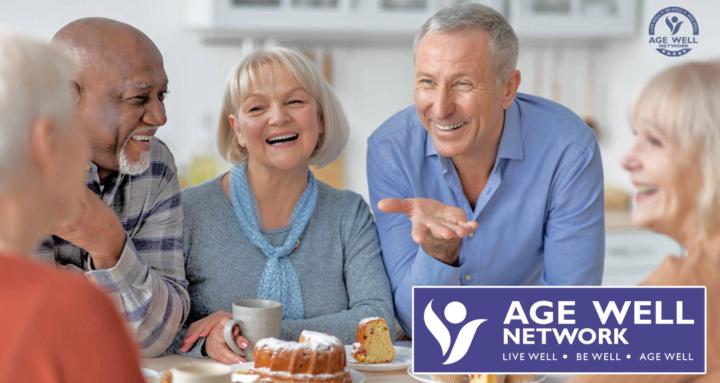
Human connection is another cornerstone of well-being. Social relationships help combat loneliness and contribute to happiness, purpose, and even physical health. Participation in clubs, volunteer work, shared activities, or community events creates belonging and meaningful interaction. Even simple conversations and shared experiences can strengthen emotional resilience and joy.
Spiritual wellness adds another layer of fulfillment. For some, this may involve faith practices or religious community. For others, it may mean reflection, gratitude, or connecting with personal values and meaning. A sense of purpose and inner peace often helps older adults cope with challenges and maintain hope.
Ultimately, healthy aging is not about doing everything perfectly. It is about nurturing each part of life in ways that feel meaningful and enjoyable. Small daily choices such as moving your body, learning something new, connecting with others, or reflecting on what matters most can create a rich and satisfying later life.
❤️ Wellness after 65 is not just possible. It can be a time of growth, connection, and renewed purpose when the whole person is supported and celebrated.🧠
4
0 comments
Living Well After 65 - A Whole-Person Approach to Senior Health 🌟
skool.com/medicare
🌻 A supportive wellness community to help you stay active, healthy, and connected—because aging well is a journey we take together 🌿
Leaderboard (30-day)
1
+45
2

+40
3

+16
4

+10
5

+5
Powered by