
19d (edited) • Age Well Reads 📖🌿
Understanding the Generational Divide in How We View Aging
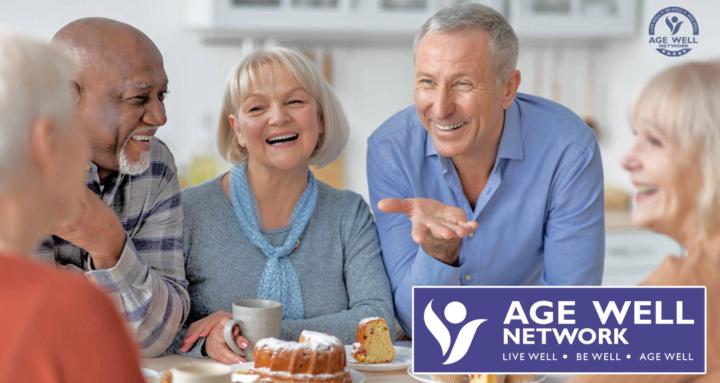
Two new national surveys reveal something surprising about the way Americans think about growing older: the sharpest divide isn’t between people who are aging well and those who aren’t — it’s between how younger and older adults imagine the aging experience.
What researchers found is clear. Older adults generally feel good about their lives, while younger adults tend to expect something much more difficult. And that difference in perception doesn’t just shape opinions — it shapes family conversations, safety decisions, and how people plan for the future.
𝐎𝐥𝐝𝐞𝐫 𝐀𝐝𝐮𝐥𝐭𝐬 𝐅𝐞𝐞𝐥 𝐁𝐞𝐭𝐭𝐞𝐫 𝐀𝐛𝐨𝐮𝐭 𝐀𝐠𝐢𝐧𝐠 𝐓𝐡𝐚𝐧 𝐘𝐨𝐮𝐧𝐠𝐞𝐫 𝐀𝐝𝐮𝐥𝐭𝐬 𝐄𝐱𝐩𝐞𝐜𝐭
Reporting from the Deseret News shows that nearly half of adults age 65 and older say they are aging very well. Many describe strong routines, good social connections, and a sense of stability in their day-to-day life.
Younger adults, however, are far more skeptical about their own future. Only three in ten believe they will age as well as today’s older adults. Many express concern about future mobility, loneliness, health challenges, and financial security, often long before those issues are even relevant in their lives.
This same pattern appears in Pew Research findings. Two-thirds of younger adults who think about their later years feel worried, while older adults report more confidence, more social connections, and more resilience than expected.
𝐖𝐡𝐲 𝐭𝐡𝐞 𝐃𝐢𝐬𝐜𝐨𝐧𝐧𝐞𝐜𝐭 𝐌𝐚𝐭𝐭𝐞𝐫𝐬
This generational gap plays a major role in how families talk about safety, independence, and support systems as loved ones age.
Younger adults often approach decisions from a place of fear — imagining worst-case scenarios and wanting to prevent potential risks. Older adults, on the other hand, tend to prioritize maintaining control, autonomy, and dignity. Their focus is on preserving the routines and freedoms that help them feel like themselves.
Neither perspective is wrong. They simply come from different lived experiences.
But when those motivations collide, conversations can become tense. Decisions get delayed. Safe solutions — including helpful technologies- may be misunderstood or dismissed.
𝐔𝐬𝐢𝐧𝐠 𝐓𝐞𝐜𝐡𝐧𝐨𝐥𝐨𝐠𝐲 𝐭𝐨 𝐁𝐫𝐢𝐝𝐠𝐞 𝐭𝐡𝐞 𝐆𝐚𝐩
Personal Emergency Response Systems (PERS) offer a valuable opportunity to bring both sides together. When framed correctly, these tools can address the fears of younger adults without diminishing the confidence and optimism older adults often feel.
𝐓𝐡𝐞 𝐤𝐞𝐲 𝐢𝐬 𝐫𝐞𝐟𝐫𝐚𝐦𝐢𝐧𝐠 𝐭𝐡𝐞 𝐦𝐞𝐬𝐬𝐚𝐠𝐞:
- For younger adults: PERS provides peace of mind, safety, and quick access to help.
- For older adults: PERS supports independence, freedom, and the ability to continue living life on their own terms.
By emphasizing choice, security, and empowerment instead of fear or loss, families can approach the conversation with less tension and more understanding.
𝐅𝐢𝐧𝐝𝐢𝐧𝐠 𝐂𝐨𝐦𝐦𝐨𝐧 𝐆𝐫𝐨𝐮𝐧𝐝
The research is detailed: older adults are living fuller, more positive lives than many younger adults imagine. Recognizing this can transform family conversations, shifting them away from fear and toward collaboration.
When families understand both perspectives, they can make decisions that respect the independence older adults value while giving everyone greater confidence and peace of mind.
4
0 comments
Understanding the Generational Divide in How We View Aging
skool.com/medicare
🌻 A supportive wellness community to help you stay active, healthy, and connected—because aging well is a journey we take together 🌿
Leaderboard (30-day)
1

+12
2

+9
3

+6
4

+4
5

+2
Powered by