
4d •
Project 4
حل مشكلة تلخيص الطلبات المتاحة لدي ويب هوك يعمل كرابط يستقبل البيانات post مرسلة ويحولها الى اتمة اضفت ai agent لتخليص طلب العميل الايجنت متصل بي open ai chat لكي يعالج الطلب ويساعد الايجنت على التفكير واتخاذ القرار


3d •
مشروع التخرج
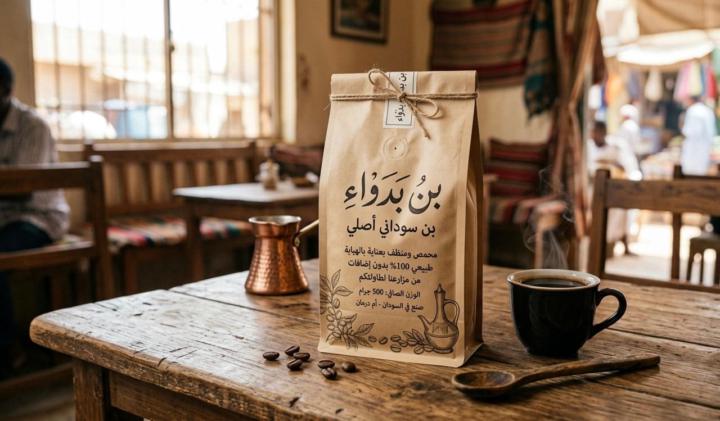
خطة المحتوى (4 أيام) الهدف: نركز على طعم البن الأصلي والتحميرة الضابطة. اليوم الأول: بوست فيه صورة فنجان قهوة بن بدواء لونه غامق وسمح، ومكتوب: الصباح البيبدأ بريحة البن المظبوط، هو الصباح الضابط.. منو فيكم ما بيقدر يبدأ يومه بدون القهوة؟" اليوم الثاني: فيديو قصير (15 ثانية) بيوري شكل البن وهو مطحون طحنة ناعمة، مع كلام بسيط: بن بدواء أصلي، لا إضافات ولا خرمجة.. تحميرة بيت ونظافة بنضمنها اليوم الثالث: بوست البيع.. جهزنا ليكم أكياس بن بدواء طازجة (ربع كيلو ونصف كيلو) الطعم الأصلي البيرد الروح. أطلب في الخاص والتوصيل متوفر. اليوم الرابع: بوست تفاعلي.. الحمد لله ريحة البن وصلت لكل الناس الطلبت.. جربت بن بدواء حقنا ولا لسه؟ ورونا رأيكم في التعليقات. ثانياً: فكرة فيديو الفكرة: تصوير عفوي جداً بالموبايل في المطبخ أو الهول. المشهد: لقطة قريبة للبن وهو بيتكب في المكنة أو القلاية، مع التركيز على اللون. وبعدها لقطة سريعة لزول بيصب القهوة في الفنجان والدخان طالع منها. الكلام المكتوب في الفيديو: قهوتك بمزاج بن بدواء طعم ما بيتنسي ثالثاً: فكرة الحملة الإعلانية المنصة: فيسبوك. الجمهور المستهدف: الرجال والنساء، من عمر 25 لـ 55 سنة، التركيز على الخرطوم وأم درمان. الهدف من الإعلان: رسائل عشان الطلب يكون مباشر وسريع. الميزانية: 5000جنيه في اليوم، لمدة أسبوع كبداية. رابعاً 1. عدد الرسائل: كم زول سأل من سعر الكيس وتفاصيل التوصيل. 2. المبيعات: كم زول فعلياً اشترى وأكدنا معاهو الطلب. 3. تكلفة العميل: صرفنا كم في الإعلان عشان نبيع كيس واحد.

3d •
مشروع تصميم تطبيق AI - AI App Design Project - Exam (5)
🏥 مشروع تطبيق الذكاء الاصطناعي — Oriana Healthcare Group في هذا المشروع قمت بتصميم وبناء تطبيق ويب متكامل لمجموعة Oriana Healthcare باستخدام الذكاء الاصطناعي. المشكلة: المرضى في دبي والشارقة يواجهون صعوبة في حجز المواعيد ومعرفة التخصصات والأطباء المتاحين عبر فروع متعددة. الحل: تطبيق ذكي يتيح للمريض في أقل من دقيقتين: - حجز موعد مع الطبيب المناسب - اختيار الفرع والتخصص - استقبال رقم مرجعي فوري - التواصل مع فريق الرعاية مميزات التطبيق: - 6 صفحات متكاملة: الرئيسية، الأطباء، الخدمات، الفروع، الحجز، التواصل - نموذج حجز ثلاثي الخطوات مع التحقق الفوري - قاعدة بيانات 12 طبيباً عبر 5 فروع - تصميم متجاوب يعمل على الجوال والكمبيوتر - مبني بالكامل باستخدام React + Tailwind CSS + AI الأدوات المستخدمة: - https://app.base44.com — بناء التطبيق بالذكاء الاصطناعي - React + TypeScript — هيكل التطبيق - Tailwind CSS — التصميم - Claude AI — تصميم المعمارية والمحتوى رابط التطبيق المباشر: https://oriana-health-flow.base44.app هذا المشروع يُثبت كيف يمكن للذكاء الاصطناعي أن يحوّل فكرة بسيطة إلى منتج رقمي احترافي في وقت قياسي.

3d •
Graduation Project -3 (AI - AI App Design)
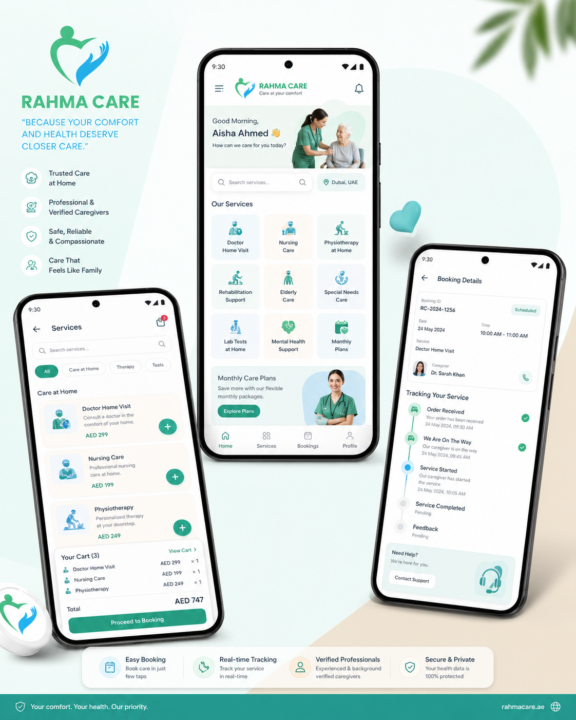
نبذة عن المشروع - رحمة كير هو مشروع يهدف إلى تقديم حل عملي وإنساني لمشكلة صعوبة الوصول إلى رعاية صحية موثوقة ومريحة داخل المنزل. - جاء المشروع لتوفير تجربة تجمع بين سهولة الحجز، سرعة الوصول إلى الخدمة، وراحة المريض وخصوصيته. - يستهدف بشكل خاص كبار السن، أصحاب الهمم، والمرضى الذين يحتاجون إلى متابعة طبية أو تمريضية أو تأهيلية في المنزل. المشكلة - صعوبة حصول المرضى والأسر على رعاية صحية منزلية موثوقة بسهولة. - الحاجة إلى وسيلة منظمة وسريعة لحجز الخدمات الصحية المنزلية. - غياب تجربة رقمية واضحة تساعد المستخدم على تتبع الطلب والتواصل مع مقدم الخدمة. - حاجة المرضى إلى الخصوصية والراحة أثناء تلقي الخدمة في المنزل. الحل - رحمة كير منصة ذكية للرعاية الصحية المنزلية تربط المرضى وأسرهم بمقدمي رعاية صحية مؤهلين وموثوقين. - تتيح للمستخدم تصفح الخدمات واختيار الخدمة المناسبة بسهولة. - توفر نظام حجز واضح وسهل مع متابعة لحالة الطلب. - تساعد المستخدم على التواصل مع فريق الخدمة بطريقة مريحة ومنظمة. مميزات التطبيق - واجهة حديثة وسهلة الاستخدام. - دعم باللغتين العربية والإنجليزية. - تصفح الخدمات الصحية المنزلية المختلفة. - إمكانية الحجز السريع والمنظم. - متابعة حالة الطلب خطوة بخطوة. - خيارات دفع مناسبة. - تواصل مباشر عبر واتساب. - تجربة متكاملة تجمع بين الثقة، الراحة، وسهولة الاستخدام. الأدوات المستخدمة - Lovable لتصميم وتطوير واجهات المنصة. - WhatsApp للتواصل المباشر مع العملاء. - Prototype / Mockups لعرض المشروع على الأجهزة المختلفة. - Gamma أو أدوات العروض التقديمية لتصميم عرض المشروع. - نظام Dashboard لإدارة الطلبات ومتابعة الحالات. التحسينات المستقبلية - تفعيل الدفع الإلكتروني الآمن مثل Stripe. - إضافة أتمتة أكثر ذكاءً لتحديثات الحجوزات والإشعارات. - تحسين إدارة جداول مقدمي الخدمة وتوفرهم. - إضافة تحليلات متقدمة لقياس أداء الخدمات ورضا العملاء. - إضافة مساعد ذكي لمساعدة المستخدمين في اختيار الخدمة المناسبة. - تطوير النظام ليصبح أكثر قابلية للتوسع والتطبيق الواقعي على نطاق أوسع داخل دولة الإمارات. إذا تريدين، أقدر أحولها لك أيضًا إلى نسخة مختصرة جدًا مناسبة للباوربوينت. رابط ويب سايد رحمة كير https://rahama-home-care1.lovable.app
7d •
WEEK 8 - TASK B
تطبيق Smart Summary AI هو تطبيق ذكي قائم على الويب، يستفيد من الذكاء الاصطناعي لتحويل النصوص الطويلة والمعقدة إلى محتوى تعليمي منظم وسهل الفهم. يوفر النظام ملخصات فورية، ونقاطًا رئيسية، وأسئلة اختبار مُولّدة تلقائيًا، مما يُمكّن المستخدمين من التعلم بشكل أسرع واستيعاب المعلومات بفعالية أكبر. يتميز المنتج بواجهة مستخدم أنيقة وعصرية وسهلة الاستخدام، مع دعم اللغتين العربية والإنجليزية، مما يضمن سهولة الوصول والاستخدام. يُبرز هذا المشروع التطبيق العملي للذكاء الاصطناعي في تعزيز الإنتاجية، وتبسيط معالجة المعلومات، وتحسين تجربة التعلم بشكل عام. https://smart-summary-brief-flow-app.base44.app

1-30 of 1,055
powered by

skool.com/mb-usa-academy-9843
منصة للمبدعين ومتعددي المواهب تتيح لك تصميم حياتك بأسلوب يناسب شغفك، مع فرص عمل، علاقات بزنس، دورات تدريبية مجانية، وموارد تدعم نموك وإبداعك.
Suggested communities
Powered by