
Write something
Pinned

Apr '25 •
🌟 Welcome to Skool Magazine! 🌟
This is the place to find the latest interviews with your fellow Skoolers - from community owners, to admins and operators. Please introduce yourself below! p.s. How many communities have YOU made on Skool?
Poll
61 members have voted

Dec '25 •
How to Scale Communities on Skool: The 100-Member Academy Model
5-6 years ago, the Vegan Gym started building communities on Facebook. Today they are running 8 separate communities on Skool, and they cap each one at 100 members. I recently talked with Daphne Bascom, their COO, and she shared how this academy model works and why they made the switch to Skool. It's pretty interesting. Why Cap at 100 Members? Most community builders think about scale as just adding more members to one community. The Vegan Gym does it differently. "We try and keep our communities around 100 clients so that our coach to client ratio is about one to 20, one to 25, so that we can maintain those close connections," Daphne explained. When a community reaches 100 members, they do not keep growing it. They launch a new one. That decision comes from what they have learned works. Daphne told me that "100 size is about a sweet spot that we've identified in terms of coaching, client, community closeness." This approach to community size management helps maintain engagement rates and member satisfaction while scaling operations. How the Academy Model Works Here's their community structure: • 1 parent community (Vegan Superhero Academy HQ) • 8 child communities with names like Avengers, Guardians, Legends, and Titans • About 100 members in each child community • 4-5 coaches per community • 16 total coaches across all communities Each community receives twice-weekly group calls, one-on-one coaching sessions with assigned coaches, and weekly masterclasses delivered by their coaching team. Daphne mentioned they practice what they call "unreasonable hospitality" in each community. The smaller community size makes that personalized approach possible. As she put it: "I feel like I know everyone in that community." This model represents horizontal scaling rather than vertical scaling—instead of growing one large community, they create multiple smaller communities as they expand. Why They Moved from Facebook to Skool The Vegan Gym transitioned their communities from Facebook to Skool after consistent feedback from their community members.
Nov '25 •
Are you running a challenge?
There is a lot of talk about challenges these days. Personally, I'm in the middle of building a free 7-day challenge for my other community Edit City. Anyone else doing this? Any tips?
Poll
19 members have voted
Mar '25 •
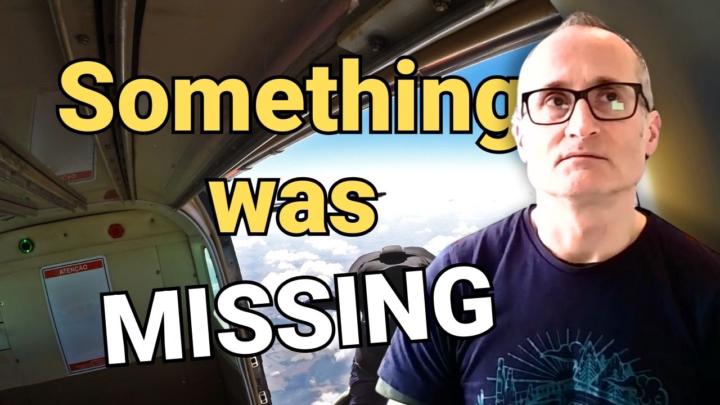
From Skydiving Instructor to Mindset Coach: How Francis Found His Calling
There's something particularly compelling about individuals who make dramatic career pivots, especially when they transition from adrenaline-fueled professions to ones focused on helping others transform their lives. Francis, a former skydiving instructor turned mindset coach, shares valuable insights about finding fulfillment and overcoming invisible barriers that prevent people from achieving their goals. Finding Fulfillment Beyond the Free Fall "Imagine you've worked towards your dream job for years only to get there and realize that something is missing," Francis shared during our conversation. This sentiment captures the beginning of his journey from skydiving professional to mindset coach. For years, Francis lived what many would consider a dream life—jumping out of planes at 120 miles per hour and getting paid for it. After discovering skydiving during a trip to New Zealand with his best friend, he spent six years training and building his skills to become an instructor. "There's nothing quite like climbing out of an airplane with your best mate and just falling to earth at 120 miles an hour," he recalled, the passion for those early experiences still evident in his voice. But despite reaching this coveted position, something felt off. "It reached a point where despite the fact that this is an amazing job and a privilege to take people on this journey, for me, there was something missing. It started to lose its shine," Francis explained. The realization was both jarring and enlightening: "I was going after happiness. I wanted to be happy, I was not happy. Skydiving as a job for me was... I'd learn to skydive, felt great, loved it. That must be a great job, right? But no. It wasn't, it was massively disappointing." Understanding the Invisible Barriers to Achievement What Francis discovered was missing wasn't happiness—it was fulfillment. This insight became the foundation for his work as a mindset coach, focusing on why people struggle to achieve their goals.
Oct '25 •
Using a community as a research hub 🧪
@Kat Kuczynska is building a research hub for parents with children diagnosed with autism, and she's using Skool to do it. 💪 In this interview Kat and I talk about: - Taking messy action - Communities as research hubs - Founding member feedback - Perfectionism - Bringing experts into your community - If you know someone with autism or you are curious about how to build a community around a true research project, this episode is for you. 👇
1-19 of 19

skool.com/magazine
Articles, videos, reviews, & podcasts from some of the coolest communities on Skool 😎
Powered by