
Write something


Nov '25 •
Women and fitness
Remember when they said muscle and women didn't mix? You can bet the only people that think that are lazy asses with no drive, no care for their own health, and want to hate on others that don't want to live in misery like they do. Michelle Lewin is prime, a strong minded female, and was great to work with her 💪🏿

Nov '25 •
The role of fitness in longevity
Longevity isn’t just about genetics. Research shows only 20–30% of lifespan is genetic, which means up to 70% of your lifestyle controls the rest. And the single most powerful behavioural predictor of long-term health? Strength and fitness. 1. Muscle Mass = Longer Life Studies show low muscle mass (sarcopenia) is strongly linked to higher mortality. People with more lean muscle have: Better glucose control Faster metabolism Lower inflammation Better mobility and independence as they age Muscle is an active metabolic organ — not just for looks. 2. Cardiovascular Fitness Protects Your Heart VO₂ max (a measure of cardiorespiratory fitness) is one of the strongest predictors of longevity. Higher fitness levels are associated with a 5x lower risk of cardiovascular disease. Even walking 7–10k steps/day lowers mortality by up to 50%. 3. Exercise Improves Cellular Aging Regular exercise increases telomerase — an enzyme that protects DNA from aging. It also boosts mitochondrial efficiency, improving how your cells produce energy. Translation? Your body ages slower. 4. Lowers Chronic Disease Risk Consistent strength + cardio training reduces risk of: Type 2 diabetes Dementia Certain cancers Depression Osteoporosis Movement isn't just calorie burning — it's disease prevention. 5. Fitness Builds a Stronger Mind Exercise increases BDNF, a growth factor for the brain. It's linked to: Better memory Reduced anxiety and depression Lower dementia risk A strong body supports a strong brain. Longevity Formula (Simple + Effective) Strength training: 2–4x per week Cardio: 150–300 min/week (walking counts) Protein: Prioritize muscle repair Sleep + stress management: Recovery matters Longevity isn’t just adding years — it’s adding quality. Fitness gives you the ability to live life fully, not just longer. Start small. Stay consistent. Your future self will thank you.

1-3 of 3
powered by
skool.com/los-angeles-fitness-coach-4171
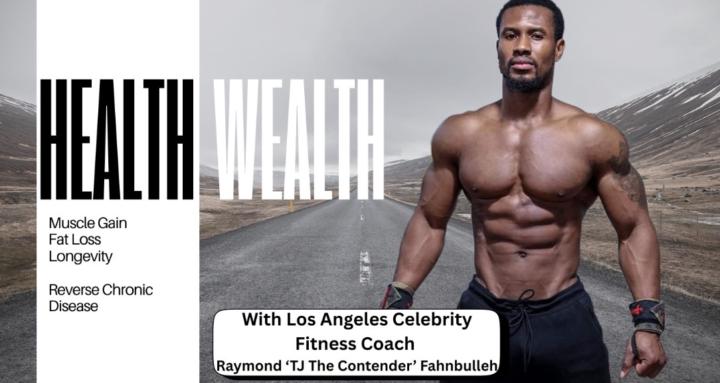
Hollywood Celebrity Diet & Fitness Coach 'TJ' Helping You Take Back Control Of Your Health, Diet and Fitness, Live Long, Live well, Join Now For FREE.
Suggested communities
Powered by