
Nov '25 • Fitness
The role of fitness in longevity
Longevity isn’t just about genetics. Research shows only 20–30% of lifespan is genetic, which means up to 70% of your lifestyle controls the rest. And the single most powerful behavioural predictor of long-term health? Strength and fitness.
1. Muscle Mass = Longer Life
Studies show low muscle mass (sarcopenia) is strongly linked to higher mortality.
People with more lean muscle have:
Better glucose control
Faster metabolism
Lower inflammation
Better mobility and independence as they age
Muscle is an active metabolic organ — not just for looks.
2. Cardiovascular Fitness Protects Your Heart
VO₂ max (a measure of cardiorespiratory fitness) is one of the strongest predictors of longevity.
Higher fitness levels are associated with a 5x lower risk of cardiovascular disease.
Even walking 7–10k steps/day lowers mortality by up to 50%.
3. Exercise Improves Cellular Aging
Regular exercise increases telomerase — an enzyme that protects DNA from aging.
It also boosts mitochondrial efficiency, improving how your cells produce energy.
Translation? Your body ages slower.
4. Lowers Chronic Disease Risk
Consistent strength + cardio training reduces risk of:
Type 2 diabetes
Dementia
Certain cancers
Depression
Osteoporosis
Movement isn't just calorie burning — it's disease prevention.
5. Fitness Builds a Stronger Mind
Exercise increases BDNF, a growth factor for the brain.
It's linked to:
Better memory
Reduced anxiety and depression
Lower dementia risk
A strong body supports a strong brain.
Longevity Formula (Simple + Effective)
Strength training: 2–4x per week
Cardio: 150–300 min/week (walking counts)
Protein: Prioritize muscle repair
Sleep + stress management: Recovery matters
Longevity isn’t just adding years — it’s adding quality.
Fitness gives you the ability to live life fully, not just longer.
Start small. Stay consistent. Your future self will thank you.
6
16 comments
The role of fitness in longevity
powered by
skool.com/los-angeles-fitness-coach-4171
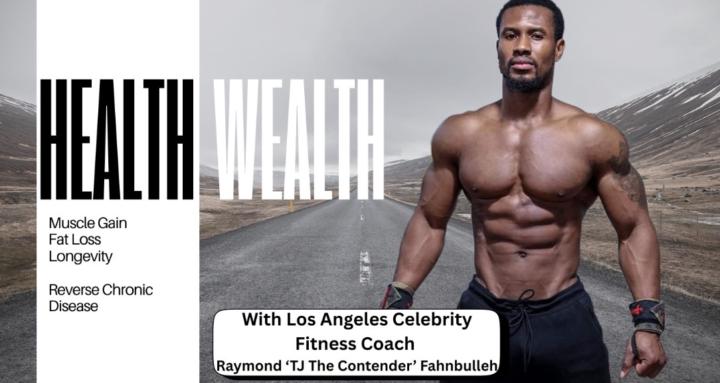
Hollywood Celebrity Diet & Fitness Coach 'TJ' Helping You Take Back Control Of Your Health, Diet and Fitness, Live Long, Live well, Join Now For FREE.
Suggested communities
Powered by