

3h •
I'm All in
Hey everyone! My name is Divine, and I'm from Nigeria. I'm currently learning AI automation and building my skills in AI agents, workflows, and automation tools. I'm excited to be part of this community and to learn from everyone here. My goal: I want to land my first AI automation client, build a successful AI automation business, and eventually create solutions that help businesses save time and increase productivity.😜 My why: I want financial freedom, the ability to work from anywhere, and a career that's future-proof. I'm passionate about technology and AI, and I believe this is the right path to create opportunities for myself while making a real impact for clients.🥲 Looking forward to learning, taking action, and growing with all of you. Let's do this! 🚀

2h •
newbie
hi, I'm new to learning AI workflows. How should I go about learning them for the first time?

11h •
What if the email isn't the most important part of cold email?
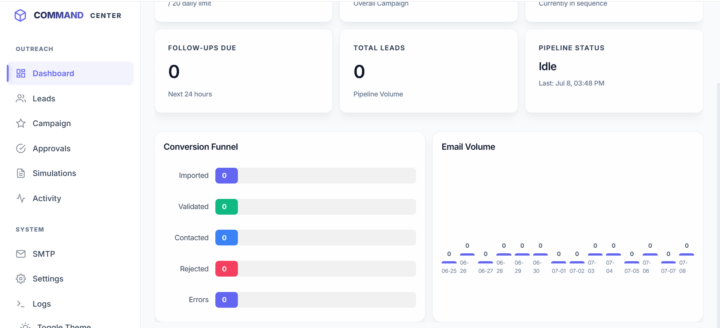
The more outbound campaigns I look at, the less I think the email itself is the main variable. Ironically, the rise of high-volume outbound is what convinced me of that. As inboxes become flooded with more emails, more sequences, and more automation, it becomes harder to win simply by writing a slightly better message. And to be fair, that logic isn't completely wrong. If a campaign gets a 1% reply rate, sending 10x more emails can still produce meaningful results even if performance drops. But when everyone plays that game, inboxes get noisier and the bar for relevance gets higher. So I've been wondering: What if we're optimizing the wrong part of outbound? Most conversations start at the very end of the process: - How do we write better emails? - Better subject lines? - Better follow-ups? - Better AI personalization? Those are important questions. But they're all questions about the message. Very little attention is given to the decisions that happen before the message exists. Why this prospect? Why now? What do we actually know about them? What signal makes them worth contacting? I've started to think the biggest performance differences in outbound don't come from communication. They come from understanding. More specifically, they come from discovering something that meaningfully changes the conversation before the first email is ever written. Maybe a company recently expanded. Maybe a new service launched. Maybe hiring patterns reveal a shift in priorities. Maybe a problem becomes visible through research. Something real. Something relevant. Something that gives you a legitimate reason to start a conversation. If that's true, then maybe the future isn't sending more messages. Maybe it's becoming much more deliberate about which messages deserve to be sent in the first place. That idea ended up consuming me enough that I built a system around it. The system researches each prospect, extracts and organizes relevant signals, and then uses those signals to generate outreach and follow-ups.

13h •
I AM ALL IN
My name is Zeyad , a 24 yo fresh graduate. I'm from Egypt and here to get into AI journey and get my first customer . waiting for your warm welcomes.

4h •
Hello Everyone, I am Back
Not sure if you guys remember me, but I ghosted everyone and got busy with bunch of work. Studies Exams Business Content but I am officially back now and I am working on interesting things. Just a quick intro for those who don't know who I am: I am Khubaib and I am 20 years old living in Pakistan. I am currently running an AI consulting business where I help coaches, and info businesses to find bottlenecks and explore potential AI opportunities specifically designed for their business, not a generic advice. I will try to post daily, but not about AI tools cuz there are already enough people doing that. Instead I will be sharing my personal experiences and stories Thanks :) https://www.instagram.com/m.k.w_ops/ this is my Instagram just in-case if anyone wants to follow along Take care May God bless all of you Bye!
1-30 of 6,424

skool.com/learn-ai
Learn and become genuinely proficient in AI to get paid for it. From the creators of the AI Automation Agency model.
Leaderboard (30-day)
1

+368
2

+346
3

+325
4

+296
5

+249
Powered by