
Write something

Nov '25 •
Water 💦 Dehydrates You
Watch the video and see if you’re drinking too much water or creating an imbalance of electrolytes in your body.

Nov '25 •
The Importance of Meal Planning for Holidays & How to Do It
Meal planning is a great way to maximize your time and budget. It also gives you greater control over your diet and helps you make healthy choices more consistently. It’s a smart strategy any time of year, but for the holidays a meal plan can be a lifesaver. It will prevent you from going too far off your healthy eating plan. Meal planning also reduces the inevitable stress of this busy time of year by giving you one less thing to think about at mealtime. Why Bother Meal Planning for Holidays? While it may seem like another chore to add to your list, meal planning can actually save you time, stress, and worry. Here’s how. It Reduces Stress During the Holiday Season This is a busy time of year. Your calendar is packed with events like Christmas concerts, Thanksgiving dinners, office parties, and more. Staying busy with festive events can be fun, but it can also be really stressful. “Dieting during the holidays is a tricky balance. Staying on track is not as easy when you have added pressure from your family and an endless amount of treats right in front of you. Oftentimes as well, we hold emotional attachments to these holiday foods and associate some of our favorite memories of the holidays, with food,” notes Emmie Satrazemis, RD, CSSD at Trifecta. By planning for how, when, and what you’ll eat, you take the guesswork out of mealtime. Instead of trying to come up with a healthy meal or snack at the last minute, you’ll know exactly what to do.
4
0

Nov '25 •
Calories Cash-Out: The Cartoon Guide to Burning Fat Like Money!
Unlock the secret to your metabolism with this hilarious animated explainer! Picture calories as cash-watch how your body spends, saves, or splurges them in a vibrant cartoon that breaks down nutrition like never before. Click now and get your mind (and waistline) rich with clarity! @Angela Steed @Cameron Porter @Prashanna Aryal @Britt Pizzo @Casey Box @Rhiannon Cazares @Jacinta Mcpeake
Poll
6 members have voted

Nov '25 •
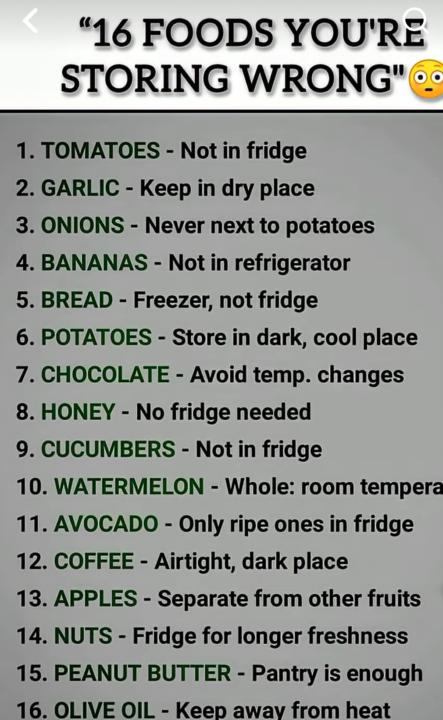
How to Store Food
Food storage is key :) , Have you made any of these mistake’s before ? Comment below if so :)
Poll
2 members have voted
Nov '25 •
The Pancreas: The Unsung King of Longevity
The pancreas is the quiet monarch of human longevity, a fist-sized gland tucked behind the stomach that rules over two kingdoms: blood sugar stability and digestive firepower. While the heart grabs headlines for pumping life and the brain for thinking it, the pancreas silently orchestrates the metabolic harmony that determines whether you age like fine wine or rust like an old nail. Here’s why it reigns supreme for a long, healthy life. 1. Master of Glucose, Guardian Against Chaos The pancreas produces insulin and glucagon, the yin and yang of blood sugar control. Insulin shuttles glucose into cells for energy; glucagon releases stored sugar when levels drop. This tight regulation prevents: • Diabetes (type 2 from insulin resistance, type 1 from autoimmune attack) • Chronic inflammation from sugar spikes • Glycation—sugar molecules gumming up proteins like collagen, accelerating wrinkles, artery stiffness, and organ damage A 2023 Lancet study showed that every 1% drop in HbA1c (a 3-month blood sugar average) cuts cardiovascular risk by 15–20%. The pancreas isn’t just managing energy—it’s defending your entire vascular tree. 2. Digestive Enzyme Factory: Nutrient Absorption = Cellular Youth The exocrine pancreas churns out lipase, amylase, and proteases to break down fats, carbs, and proteins. Poor digestion = malnutrition, even on a “perfect” diet. Malabsorption starves cells of: • B vitamins for DNA repair • Magnesium for 300+ enzymes • Omega-3s for membrane fluidity A 2024 Gut journal paper linked pancreatic exocrine insufficiency (EPI) to a 40% higher risk of frailty in adults over 70. Your cells stay youthful only if they’re fed. 3. The Beta-Cell Longevity Paradox Beta cells (insulin producers) have almost zero regenerative capacity after age 30. Damage from oxidative stress, viral infections, or obesity is permanent. A 2022 Nature Metabolism study found that humans with the highest beta-cell reserve at age 50 had: • 60% lower diabetes risk • 35% lower all-cause mortality by age 75

1-19 of 19
powered by

skool.com/lean-habits-lab-8445
Coach Chris here! 💥 Learn lean habits for life 💪 Balance ⚖️ Accountability ✅ Real results 🔥 Introduce yourself 👋 Let’s go! 🚀 | Post and Chat :)
Suggested communities
Powered by