

Jun 1 •
A Brief Pause for Deeper Exploration - Virtual Community Postponed Until July 19th
Beautiful Beings, I know each of you is on a profound journey of self-exploration, growth, and expansion. We arrive in these human forms, these temporary vessels through which consciousness experiences itself, as fleeting sparks of light given the opportunity to incarnate into matter. Within this brief moment of existence, we encounter immense beauty, grief, wonder, pain, excitement, love, and loss. At times, the intensity of it all can make us forget that, on some deeper level, we chose to be here. These virtual meetups have been just as powerful and transformative for me as they have been for those who attend. With each gathering, I gain greater clarity around my own mindset, limiting beliefs, and the unconscious patterns that have shaped how I move through the world. This work continually reveals new layers to explore, heal, and integrate. Over the years, I have witnessed profound transformations, both within myself and within my clients. I have watched people shift from feeling as though life is happening against them to moving in harmony with it. They begin releasing the need to control what is not theirs to control and discover a deeper sense of trust in the unfolding of their lives. Our desires are not the source of suffering. Desire is a natural expression of being human, a reflection of the experiences we long to have in this lifetime. Suffering often arises through our attachment to specific outcomes and the stories we create about how life should unfold. Recognizing the depth and importance of this work, I will be taking a short pause and will resume our gatherings on July 19th. During this time, I intend to turn inward, exploring deeper aspects of myself, my ego, and the work I am called to offer in the world. I am stepping into this space with the intention of returning having excavated more, learned more, and expanded more, so that I may continue sharing from a place of greater clarity, wisdom, and service. Thank you for walking this path alongside me. I look forward to reconnecting with you all soon.
May 24 •
Unity Spiritual Meetup in 2 Hours
Good Morning beautiful beings, Just a gentle reminder that the free bi-weekly spiritual meetup is at 12pm est. The community meetup is 55-minutes in length and intended to be a place to explore concepts that support us on our individual journeys in expansion, growth, transcendence, healing of wounds, and self realization. Often the meetups are themed based echoing energetic movement in areas that is permeating the collective consciousness which means, it resonates with you even if you didn’t know an aspect of it lives within you. Today’s theme is an open forum allowing those who feel called to inquire to do so. Coming in to today’s meetup with self awareness will allow you to reflect on what blocks or perspectives you are wrestling with that aren’t serving you. Maybe you feel called to share, maybe you don’t but I guarantee that whoever does decide to share will trigger or awaken something within us all that may already be stirring or sleeping. Together we make up this collective. Together we serve as medicine for the other. I look forward to sharing space and exploring consciousness with those who decide to attend today’s virtual meetup. https://us06web.zoom.us/j/88520643573?pwd=Abom0wV0tNqjjkwh5u7nbFhI2loS4x.1
May 10 •
Unity Spiritual Meet Up Reminder
Today at 12pm EST until 1pm EST. Everyone is welcomed to join this free event. Here we get to explore how to become conscious creators of our realities. Lelañea is inviting you to a scheduled Zoom meeting. Join Zoom Meeting https://us06web.zoom.us/j/88520643573?pwd=Abom0wV0tNqjjkwh5u7nbFhI2loS4x.1 Meeting ID: 885 2064 3573 Passcode: qA81K6
0
0
May 7 •
Unity Invite - Spiritual Discernment; Moving toward Unity-Consciousness through the self
Discernment; dis·cern·ment, is the quality of being able to perceive what is not immediately visible. It is the ability to grasp what is subtle, to distinguish between truth and distortion, clarity and illusion. It is insight, wisdom, and the capacity to see beyond the obvious so that we may move through the world with awareness, rather than unconscious reaction. It is perceived by many that we are in a time of a “great awakening.” A shifting of outdated paradigms, making space for an elevation of consciousness within our species. Personally, I do not just believe this, I trust it, and I witness it. I see it within myself, and within those closest to me, including people I once believed would remain confined to the patterns of an undeveloped and wounded ego. I see it most clearly in the people I am privileged to work with. Individuals who are choosing to turn toward themselves, to discipline, transcend, or simply begin to understand and befriend an estranged and, at times, unruly ego. Transformation is no longer a distant concept, it is happening in real time. Alongside this awakening, there is a palpable movement within the collective. There is grief, anger, resistance, and a deep sense of disillusionment rising to the surface. Much of this is tied to systems and structures that have, for generations, conditioned us to outsource our autonomy and sovereignty, creating an internal separation from Self. We have been taught, subtly and overtly, to look outside of ourselves for authority, whether through political systems, institutionalized religion, or cultural conditioning that dictates what is acceptable, valuable, or true. In that outsourcing, something essential has been obscured. A direct relationship to our own inner knowing. To something innate, sovereign, and whole. And as this begins to come into view, it can feel destabilizing. For many, it is as if the ground beneath them is shifting. What once felt certain now feels questionable. What once felt trustworthy is being re-examined.
0
0
Apr 26 •
New Spiritual Meeting Link Today
Join Zoom Meeting https://us06web.zoom.us/j/6800914434?pwd=p4vB9mvwuLWvylmi7v6mZmY26r9NG9.1 Meeting ID: 680 091 4434 Passcode: qA81K6 ---
0
0
1-17 of 17
powered by
skool.com/integrating-consciousness-2716
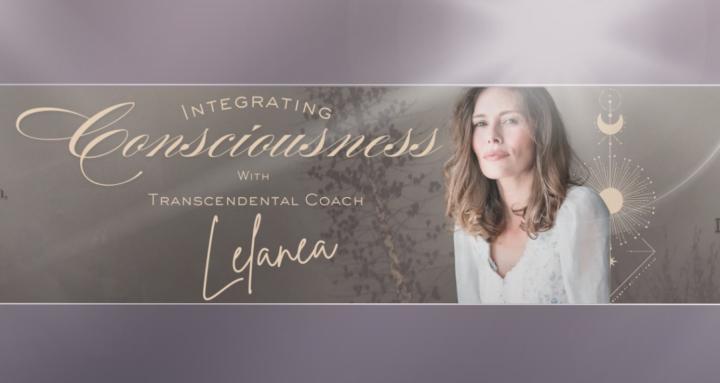
A space of alchemy to do the Inner Work, dissolve blocks, master the mind, & co-create a life of clarity, abundance, and spiritual remembering.
Suggested communities
Powered by