
Write something

🔥
3d •
Your brain is not a junk drawer: Stop stuffing everything in there
I saw this little meme the other day that said "Unfortunately, I want to do everything! And I want to do it all excellently, immediately, and with no learning curve!". This encapsulates my energy towards wanting to do SO many things. I don't mind the hard work that it takes to learn something new (I tend to embrace the suck that comes along with learning), BUT I do mind that it comes with the time commitment and at the expense of being able to do other things. We live in a land of excess...ahem, I mean, opportunities. Sometimes the availability of so many options really can really impact the cognitive load which then affects decision making, starting, and follow through. Mental fatigue isn't always caused by "doing too much". A lot of times, it's caused by asking our brains to manage too many unnecessary decisions, distractions, and competing demands all at once. The goal of this post is to help to move us from reactive thinking ("backseat driving") to intentional thinking ("Front-seat driving"). 𝐒𝐭𝐫𝐚𝐭𝐞𝐠𝐢𝐞𝐬 𝐟𝐨𝐫 𝐃𝐞𝐜𝐫𝐞𝐚𝐬𝐢𝐧𝐠 𝐂𝐨𝐠𝐧𝐢𝐭𝐢𝐯𝐞 𝐋𝐨𝐚𝐝 𝐚𝐧𝐝 𝐈𝐦𝐩𝐫𝐨𝐯𝐢𝐧𝐠 𝐄𝐟𝐟𝐢𝐜𝐢𝐞𝐧𝐜𝐲 1. 𝐒𝐭𝐨𝐩 𝐬𝐩𝐞𝐧𝐝𝐢𝐧𝐠 𝐂𝐄𝐎 𝐭𝐲𝐩𝐞 𝐞𝐧𝐞𝐫𝐠𝐲 𝐨𝐧 𝐭𝐢𝐧𝐲 𝐝𝐞𝐜𝐢𝐬𝐢𝐨𝐧𝐬 (𝐄𝐥𝐢𝐦𝐢𝐧𝐚𝐭𝐞 𝐃𝐞𝐜𝐢𝐬𝐢𝐨𝐧 𝐅𝐚𝐭𝐢𝐠𝐮𝐞) Not ever y choice deserves a board meeting in our brain... Reduce small, repetitive decisions whenever possible. Create routines, meal plans, workout schedules, or standardized processes. The fewer unnecessary choices we make, the more brainpower we save for decisions that actually matter. 2. 𝐏𝐮𝐭 𝐲𝐨𝐮𝐫 𝐜𝐚𝐥𝐞𝐧𝐝𝐚𝐫 𝐨𝐧 𝐚 𝐝𝐢𝐞𝐭 (𝐓𝐢𝐦𝐞 𝐁𝐥𝐨𝐜𝐤 𝐲𝐨𝐮𝐫 𝐃𝐞𝐞𝐩 𝐖𝐨𝐫𝐤) While our brains may appreciate novelty (yay new neural connections), it does not thrive in chaos. Create dedicated blocks for focused work instead of constantly switching between tasks. Every time we jump around, our brain pays a "refocus tax." 3. 𝐁𝐮𝐢𝐥𝐝 𝐚 𝐅𝐨𝐫𝐭𝐫𝐞𝐬𝐬 𝐀𝐠𝐚𝐢𝐧𝐬𝐭 𝐃𝐢𝐬𝐭𝐫𝐚𝐜𝐭𝐢𝐨𝐧: 𝐑𝐞𝐝𝐮𝐜𝐞 𝐄𝐧𝐯𝐢𝐫𝐨𝐧𝐦𝐞𝐧𝐭𝐚𝐥 𝐅𝐫𝐢𝐜𝐭𝐢𝐨𝐧 If our environment is screaming for our attention, our brain is fighting a battle before it can even begin. Clear your workspace and remove distractions. Remove clutter, silence notifications, put your phone in a different room. Make the 'right' action the easiest action. The easier it is to begin a task, the less willpower and cognitive effort are required to get started.
Poll
10 members have voted
🔥
Apr 21 •
Midlife Crisis ? Nah, more like...Life Calling!
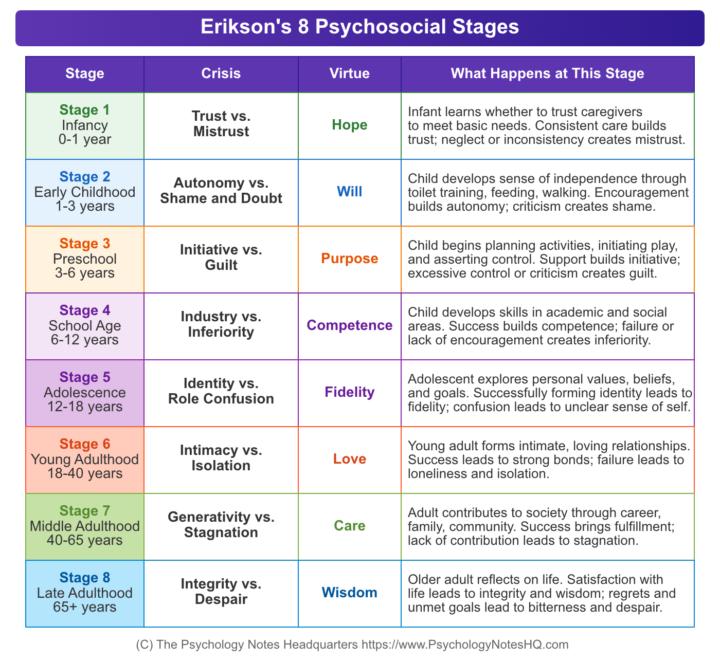
In Erik Erikson’s theory of psychosocial development, generativity vs. stagnation typically shows up in midlife (40-65) but psychologically, it can surface anytime we start asking: "Am I contributing anything that will outlast me? Am I contributing anything beyond myself?" (vs. feeling stuck, directionless, and self-focused) I look at the different developmental stages and I feel like I'm consistenly wrestling with all the stages to some extent (just maybe the more adult version of some of them, ha). I don't see it as a bad thing, I see it as opportunities for growth. Little callings to improve, little opportunities to revisit narratives. Today, we'll just focus on the 7th Stage: 𝐆𝐞𝐧𝐞𝐫𝐚𝐭𝐢𝐯𝐢𝐭𝐲 𝐯𝐬. 𝐒𝐭𝐚𝐠𝐧𝐚𝐭𝐢𝐨𝐧 𝐆𝐄𝐍𝐄𝐑𝐀𝐓𝐈𝐕𝐈𝐓𝐘 This is the desire to create, nurture, mentor, build, or guide something beyond the self. Leaving a positive mark in the world by contributing in ways that matter beyond ourselves. A lot of people think of this as parenting, but it goes beyond that and it can include: mentoring, community involvement, creative work, service, passing on of wisdom, and investing in future generations. Psychologically, generativity is linked to 𝐦𝐞𝐚𝐧𝐢𝐧𝐠 𝐚𝐧𝐝 𝐩𝐮𝐫𝐩𝐨𝐬𝐞, life satisfaction, internal locus of control, future orietnation, and identity integration. Generativity increases when people feel competent, valued, and connected. 𝐒𝐓𝐀𝐆𝐍𝐀𝐓𝐈𝐎𝐍 Stagnation isn't just about "not having kids" or lacking hobbies...It's a kind of self-absorption that blocks meaningful contribution. Self-centered living that's focused on comfort/status/personal gain and that have boredom/emptiness and a lack of deeper meaning associated with the activities we choose to involve ourselves in. (There are a lot of judgment type terms here but there's a reason why people don't indicate feeling fulfilled even when they've achieved the comfort/status/personal gains. Our current society very much promotes these things but unless those things are tied to something 'greater' than ourselves, it can feel empty or arbitrary). --There are more things to say about what stagnation looks like, but I'd like to focus more on how to increase generativity.
Poll
13 members have voted
🔥
Feb 19 •
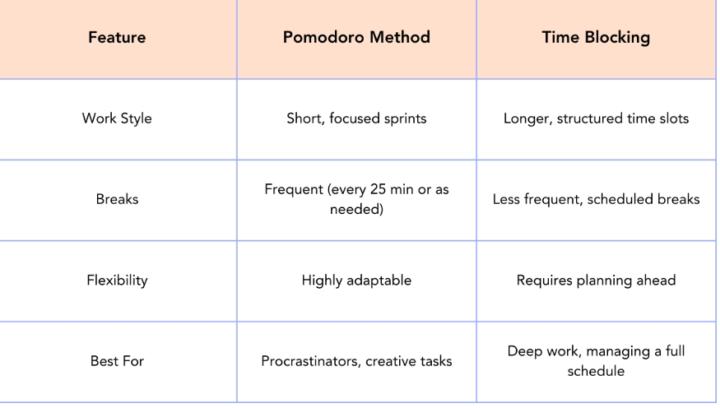
⭐Working Sprints/Time Blocking: Getting More Done by Doing Less at Once
Okay, this productivity "hack" has been kind of a game changer for me the last few weeks and thought that I should share it.:) Maybe you're familiar with it and maybe not, but it's certainly something to consider if you're looking to have better focus with your tasks and get those tasks completed more efficiently! @Wesley Penner has been having group working sessions every weekday in his group Executive Skill Journey and I've benefitted every time that I've joined. The allotment of time, the structure, and the accountability piece have been so helpful! :) Wesley also has some really thought provoking posts! (Wesley, please feel free to share more about this in a comment if you'd like) ------------------------------------------------ “Working in sprints”/Time blocking is kind of like interval training, but for your attention. Instead of trying to be productive all day, you focus your energy in short, intentional bursts of time. STEPS: 1.Choose ONE specific task (what's your intention for the next __ minutes?) 2.Set a clear time block (ex: 20–60 minutes) 3.Remove distractions 4.Work with full focus until the timer ends 1. Take a real break before starting again (In Wesley's work groups, we get together virtually and work together but separately--this added "observer" effect has been beneficial for me, but you don't need to have the camera on. Just knowing that others are working along side has been helpful). Why this works so well: - It lowers overwhelm :you only have to face one small window, not an endless to-do list; that's nice - It reduces procrastination : starting feels easier when it’s “just one sprint.” - It builds momentum: finishing a sprint creates a quick win and that is satisfying! -It respects your brain: focus naturally comes in waves, not all day long Sprints can also create permission to rest. When you know a break is coming, your nervous system stops resisting the work which is a very nice feeling and it helps calibrate the nervous system. You don't have to be in constant grind mode, but rather in focused attention mode. There's a decrease in stress with this.
Poll
16 members have voted
🔥
Jan 26 •
Principles of Success (Day 8: GENEROSITY 🎁 )
In the past few days we spoke about the first 7 principles of success as described in "The Rhythm of Life" by Matthew Kelly (more here : day-1-purpose; day-2-priorities; day-3-balance; day-4-discipline; day-5-growth;-day-6-faith; -day-7-relationships )Today we delve into the eighth principle: Generosity (Just a small but important note, the term success here can be applied to many areas of life, and ultimately, it's really just about intentionally becoming the best version of yourself.) PRINCIPLE 8: GENEROSITY “A meaningful life is a life given away.” Generosity is giving your time, energy, love and resources without necessarily expecting anything in return. In the book, meaningful success includes improving the lives of others and in that process it creates connection, gratitude and impact. The book talks about generosity as a way to align with life as it can keep life moving- it indicates that when giving stops (whether that's our time, attention, forgiveness, or resources) stagnation sets in. Psychologically, generosity counteracts scarcity thinking. This is important because scarcity thinking narrows focus and increases anxiety. Studies show that giving activates reward pathways and strengthens meaning, but only when it’s freely chosen. The self determination factor matters. When generosity is driven by guilt, approval-seeking, or self-erasure, it leads to resentment and burnout. This leads to disconnection with others and oneself.
Poll
8 members have voted
🔥
Feb 1 •
Principles of Success: Last Day- Day 10 (Reflection)
In the past few days we spoke about the first 9 principles of success as described in "The Rhythm of Life" by Matthew Kelly (more here : day-1-purpose; day-2-priorities; day-3-balance; day-4-discipline; day-5-growth;-day-6-faith; -day-7-relationships; day-8-generosity; day-9-integrity)Today we delve into the tenth and last principle: Reflection. And then we're done!!!!!! (Just a small but important note, the term success here can be applied to many areas of life, and ultimately, it's really just about intentionally becoming the best version of yourself.) PRINCIPLE 10: REFLECTION “Without reflection, life loses its rhythm.” In the book, this step of the process is where everything else that's been talked about it either integrated or lost or just becomes performative. Meaning...discipline turns into rigidity, generosity into depletion, relationships into neglect, integrity into image managing, faith into performance, etc, etc. It ends up being the opposite of success. The author describes the act of reflecting as essential to learning, course-correcting and gratitude. It's yet another way to help us live intentionally rather than reactively or on auto pilot.
Poll
8 members have voted
1-27 of 27
powered by

skool.com/inspired-life-empowered-being-7894
⭐Inspire.Empower.Live. Supportive skool where we are encouraged to increase our awareness, take action, and thrive through life's adventures.💪💕
Suggested communities
Powered by