User
Write something
The Ghost Trader
There was once an investor who lived glued to his screens. He traded every shift in price, every breaking news flash, every small bounce and dip. His trade log was enormous, a blur of entries and exits. He mistook frantic motion for mastery, and busyness for edge. But the math told a different story. Commissions quietly bled him on every trade. Spreads ate into his margins. And then there was fear — the invisible tax he paid every time he panicked out of a position too early, or chased a move a fraction too late. He wasn't trading the market. He was trading his own anxiety. The irony was that investors who had simply held, who resisted the urge to react to every ripple, were quietly prospering. He, meanwhile, was exhausted and underwater — a ghost haunting his own portfolio, always present but never profiting. The realization, when it finally came, was humbling: his worst enemy had never been the market. It had been the compulsion to always be in it. Lesson: Not every moment is a trade. Patience isn't passive — it's a discipline. The market rewards those who know when to act, but quietly destroys those who cannot bear to do nothing.
2
0
The Ghost Trader
The Little Book Lesson
A novice investor made a simple decision: read just one paragraph a day from a classic investing book. No more, no less. On busy days, she honored the commitment. On slow days, she resisted the urge to race ahead. At first, the progress felt embarrassingly slow while colleagues devoured entire books over weekends. But something quiet was happening. Each paragraph had time to breathe — to be questioned, tested against the news, and connected to what she already knew. Understanding wasn't just accumulated; it was absorbed. Over the years, while others chased trends and burned through enthusiasm in cycles, she kept turning the page. By the time she'd worked through a shelf of classics, she had done something rare: she had actually understood them. Eventually, colleagues twice her age sought her out for advice, puzzled by a clarity they couldn't quite place. The secret was never the books. It was the discipline of small, consistent doses — enough to digest, never enough to overwhelm. Lesson: You don't need to consume knowledge faster than everyone else. You need to consume it better. Small daily investments in learning, made consistently over years, compound into a wisdom that no weekend crash course can buy.
3
0
The Little Book Lesson
The Noah Investor
Like Noah building the ark before the first drop of rain, one investor kept adding to strong positions while others panicked at darkening skies. Headlines warned of collapse, markets swung wildly, and many fled to cash. He didn’t ignore the storm — he simply prepared for it. He focused on quality, reinvested steadily, and built his portfolio plank by plank during seasons of fear. When the clouds finally cleared and confidence returned, his disciplined structure stood firm while others rushed back in at higher prices. Lesson: Prepare when pessimism blooms. Build through the storm — it rarely lasts forever.
The Noah Investor
The Wall Street Yacht Question
There’s an old story from a Manhattan cocktail party that has stuck with me for years. A guest, admiring a gleaming yacht docked nearby, asked the broker who owned it. The broker smiled and said, “Oh, that one’s mine. Funny thing — no customer ever invited me to buy theirs.” It’s a punchline with teeth. In just a few words, it exposes a simple truth: if the professionals are getting rich while their clients consistently aren’t, you’re probably keeping score in the wrong game. The yacht isn’t the problem. It’s the scoreboard behind it. In investing, business, and even career advice, results can be misleading when you only measure the visible wins of the experts. A broker’s prosperity doesn’t automatically mean the clients are succeeding. A consultant’s thriving practice doesn’t guarantee their guidance is sound. A guru’s social media following doesn’t prove their methods work for anyone but themselves. The real lesson is this: always look at outcomes where they matter — not for the people selling the strategy, but for the people using it. If the users aren’t winning, something is off, no matter how polished the pitch or impressive the lifestyle. Before you trust any advice, survey the landscape. Who’s actually benefiting? Are the customers better off? Are the followers achieving meaningful results? Or is the value flowing in only one direction? Because at the end of the day, if you notice a lot of yachts but none for the people the system is supposed to serve, that’s your cue: it’s time to change scoreboards — or change games entirely.
The Wall Street Yacht Question
1-30 of 218
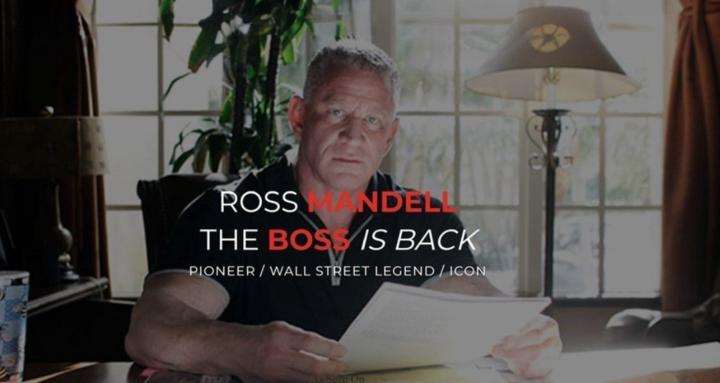
Going Public with Ross Mandell
skool.com/going-public-with-ross-mandell-7131
From wealth creation to personal empowerment - take control and begin living your best life today!
Leaderboard (30-day)
Powered by