
Pinned

Dec '25 •
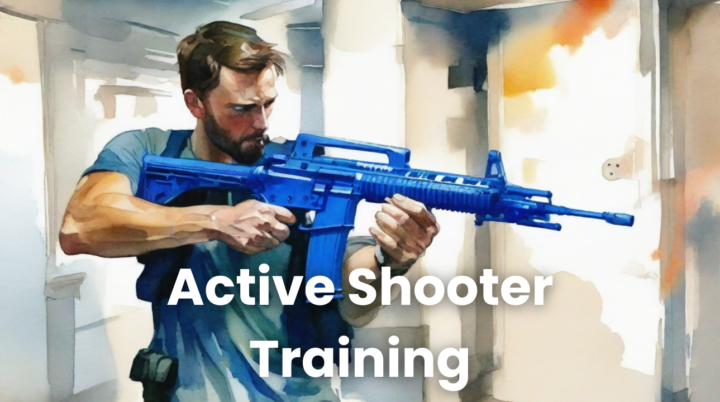
Active Shooter Training webinar
Here's the Active Shooter Training webinar that I ran today that shows the basic ideas of surviving an active threat situation. Simple lifesaving ideas. It's not the full course that we teach, but it'll give you some immediate usable advice. Enjoy and let me know what was eye opening for you.
Pinned
May '24 •
Welcome
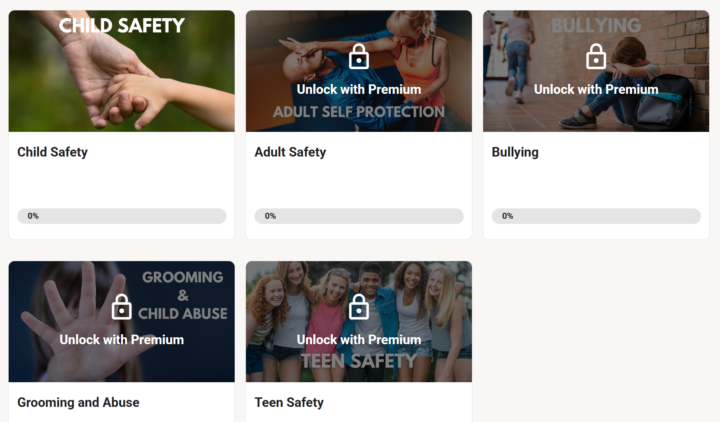
Welcome aboard. I'm excited to have you here. You'll find the courses in the classroom section https://www.skool.com/family-safety-and-protection-8160/classroom Our premium courses are all available when you become a premium member. (Just $10 a month). These include Adult safety, Bullying, Grooming/Child abuse, Teen Safety. Feel free to ask any questions in the questions section https://www.skool.com/family-safety-and-protection-8160?c=86b3af611d5d44c19e14e6adb1b1aef9&s=newest-cm&fl= I'm looking forward to empowering a fantastic community of parents and families. -Glenn Terms and Conditions Educational Purposes Only: The information provided on this website is for educational purposes only. While we strive to provide accurate and up-to-date information, the content provided should not be a substitute for professional instruction. Personal Responsibility: Engaging in self-defense techniques carries inherent risks, and by accessing our tutorials and resources, you acknowledge and accept full responsibility for your actions. It is essential to practice caution and use common sense when applying self-defense techniques in real-life situations. Physical Limitations: Not all self-defense techniques are suitable for everyone. Each individual has unique physical abilities and limitations, and it is crucial to recognize and respect these differences. Consult with a qualified professional if you have any concerns about your physical fitness or ability to perform specific techniques. Legal Considerations: Self-defense laws vary by jurisdiction, and it is your responsibility to familiarize yourself with the laws and regulations governing self-defense in your area. The techniques and strategies discussed on this website are not intended to encourage or promote violence but rather to empower individuals to protect themselves within the confines of the law.
Pinned
Dec '25 •
Sometimes all it takes is one moment.
One video. One article. One story. One realisation. A quiet thought that says…“Someone should do something about this.” And then, even quieter…“Maybe that someone is me.” If being on the Family Safety & Protection site stirred something in you, don’t ignore it. That feeling isn’t just emotion, it’s awareness turning into responsibility. It’s your mind and heart recognising that families, kids, teachers, staff and everyday people are walking into environments they’re not trained to handle… and trusting that someone out there knows what to do. What if that someone could be you? Most people who care about safety never step into a position of influence. Not because they don’t care, but because they doubt themselves. They think, “I’m not qualified enough yet” or “Surely someone else will do it better.” But the truth is this: The best instructors don’t start as experts. They start as people who care deeply enough to learn. We’re building a Global circle of instructors who want to be more than spectators. People who want to become protectors, educators, role models, and yes, get paid to make a real difference while they do it. Imagine being the person that gives others confidence. The one who helps a child feel safer. The one who makes a workplace more prepared. The one who turns fear into calm understanding. That path is open to you. And if something in your heart tells you that this matters… trust that. Join our Professional Self-Defence Association Group here: https://www.skool.com/professional-self-defense/about And if you’d like to talk it through first, you can jump on a Zoom call with me to see if this is the right fit for you. No pressure, just a real conversation about where you are and where you want to go.
2
0
Dec '25 •
Bondi Beach Active Shooter
We had an active shooter event tonight in Australia, when at least 2 shooters opened fire on a Jewish festival at Australia's most famous beach. Currently 10 dead. Footage is coming through and this video shows someone doing exactly what we train and talked about on the recent Active Shooter zoom call. TAKE OUT the attacker, coming from outside their 10&2. Right now I don't have details of what happened next, but it's a reminder that what we teach is applicable. I'll post more over the coming days...

Dec '25 •
It’s Okay to Talk About Recent Incidents
When something shocking or tragic happens in the news, our immediate reaction is often to look away. Many people feel uneasy discussing events that are still fresh, especially when they involve violence, accidents, or crises. It can feel too soon, too raw, or too personal. But talking about these incidents, even while they’re still in the headlines, is not only okay, it can actually be really helpful. One of the most important reasons to discuss recent incidents is emotional processing. When something dramatic or frightening occurs, it can trigger feelings of fear, anger, sadness, or confusion. Holding those feelings in can make them fester. Speaking about them, whether with friends, family, colleagues, or in a guided environment like a support group, allows people to unpack their emotions in a safe way. Verbalising what we see and feel helps our brains process the event more fully, reducing anxiety and stress. Fresh news can leave many people feeling isolated. We may think, “I’m the only one feeling scared,” or “I shouldn’t react this way.” Discussing incidents openly reminds us that our reactions are human and normal. It fosters a sense of connection and solidarity. Even brief conversations about shared concerns can create an environment where people feel seen and supported, which is essential in times of uncertainty. Talking about incidents can also serve a practical purpose: it can help others learn and prepare. For example, discussing a recent accident or security breach may highlight safety lessons or preventive measures. While the conversation should never sensationalise trauma, sharing factual and thoughtful insights helps communities respond more effectively and can even prevent future harm. Society often teaches us to avoid talking about hard things until they “pass,” but this can create stigma around natural emotional reactions. By having conversations about incidents, even those tragedies very recently in the news, we normalise discussing difficult topics and validate the emotions that come with them. Over time, this strengthens emotional resilience and encourages healthier coping mechanisms.
1-30 of 32
powered by

Suggested communities
Powered by