
Write something

14h •
Canada - Parents Have No Rights Over Their Children
The concerning news and downward spiral of Canada continues with Canadian Education Minister Says Parents Have No Rights Over Their Children "Canadian Education Minister Says Parents Have No Rights Over Their Children" Parents "absolutely don't" deserve to have rights over their children, Nova Scotia Education Minister Brandan Maguire says, as he voices support for secret gender transitions at schools and taxpayer-funded gender reassignment surgeries. WTF is going on up there in the great white north ? https://www.zerohedge.com/political/canadian-education-minister-says-parents-have-no-rights-over-their-children
0
0
18h •
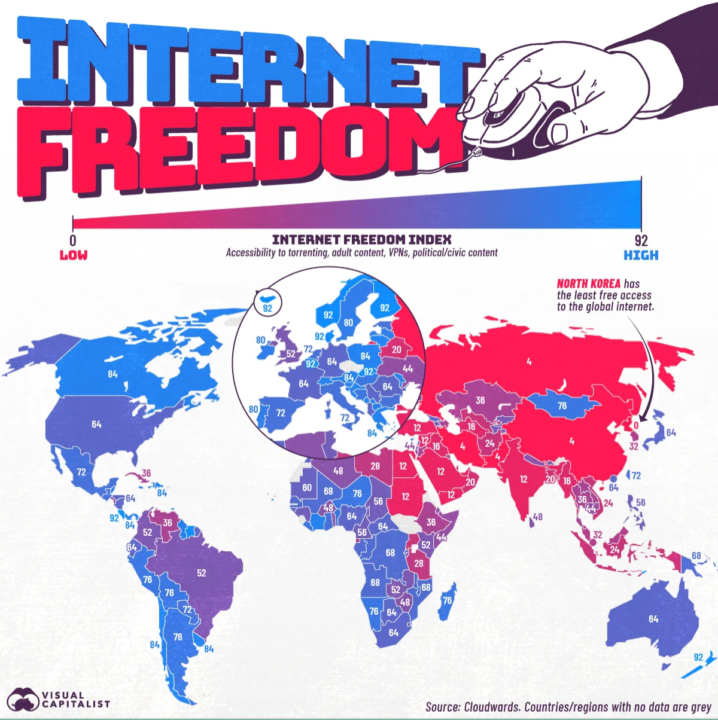
China freedoms getting worse?
This video claims that restrictions of 4 freedoms are getting worse and moving from selected cases to more general coverage of the population. Includes, passport and movement, restricting who citizens can talk to, online and digital access and also clamping down on network security in offices with no access to internet and wired monitored connections only. Probably not a concern for foreigner visitors on holiday But there are also lots of reports on increase of govt monitoring and interventions on foreign businesses in recent years.
0
0
3d •
Türkiye 20 Years Tax Free - New program
Türkiye may have just launched one of the most aggressive tax residency offers in the world. On April 24, Erdoğan announced a new proposal under the “Türkiye Yüzyılı Yatırım İçin Güçlü Merkez Programı” that could give qualifying new residents a 20-year exemption on foreign-source income and capital gains. Not 5 years. Not 10 years. 20 years. And no annual lump-sum payment like Italy or Greece. The headline terms, as announced: 1. You must not have been a Turkish tax resident in the last 3 years This is the key eligibility condition. Documentation of prior non-residency will likely matter a lot. 2. You need to actually become Turkish tax resident That generally means relocating properly and establishing real residence in Türkiye — either through the day-count test or having a permanent home / residence available to you in Türkiye. This is not a “paper residency” thing. 3. Foreign-source income gets exempted for 20 years This is the big one. As announced, foreign-source income and gains could include things like: - Foreign dividends - Foreign capital gains - Foreign rental income - Foreign employment or consulting income - Royalties - Foreign pensions - Portfolio income outside Türkiye 4. Turkish-source income stays taxable This is important. If you earn income from inside Türkiye, that does not disappear. Turkish salary, Turkish company profits, Turkish rental income, or Turkish business activity would still be taxed under the normal Turkish rules, with progressive rates that can go up significantly. 5. Inheritance and gift tax drops to 1% For qualifying participants, inheritance and gift tax would reportedly be locked at a flat 1%. That is a huge difference versus many European systems. Now, the caveat: This is still a proposal. It needs to pass parliament and the final text could be narrower than the announcement. So don’t make life decisions off headlines yet. But if it passes as announced, this instantly puts Türkiye in the top tier for entrepreneurs, investors, consultants, and globally mobile people with mostly foreign-source income.
0
0
3d •
Bitcoin to become illegal w jailtime in South Africa
New proposed law by the treasury out Transactions only allowed through regulated and licensed providers Cold storage and private btc transactions are not compliant and illegal But practically, it will be hard to ban these private use and transaction. Only proposed law for now but a bad direction for SA...
0
0
1-30 of 47
powered by
skool.com/expats-nomads-network-7742
For expats, nomads and entrepreneurs. We discuss global living, lifestyle, citizenship and strategies for living your best life.
Suggested communities
Powered by